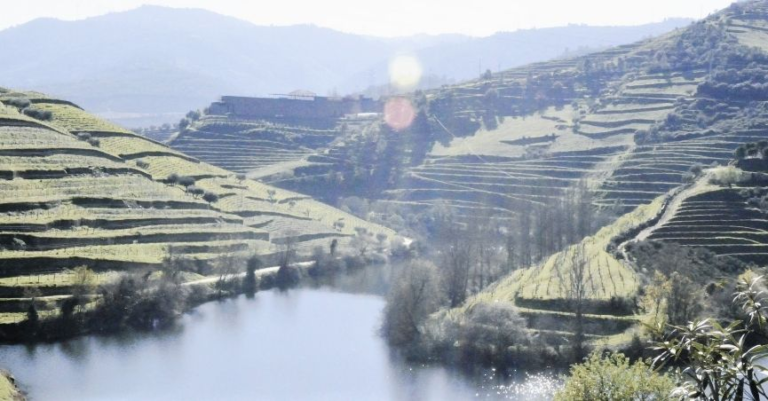
Visiting the Algarve Portugal
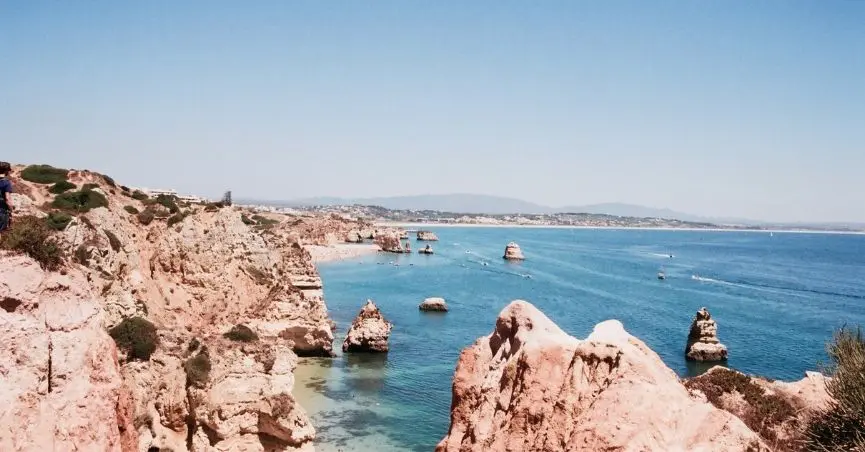
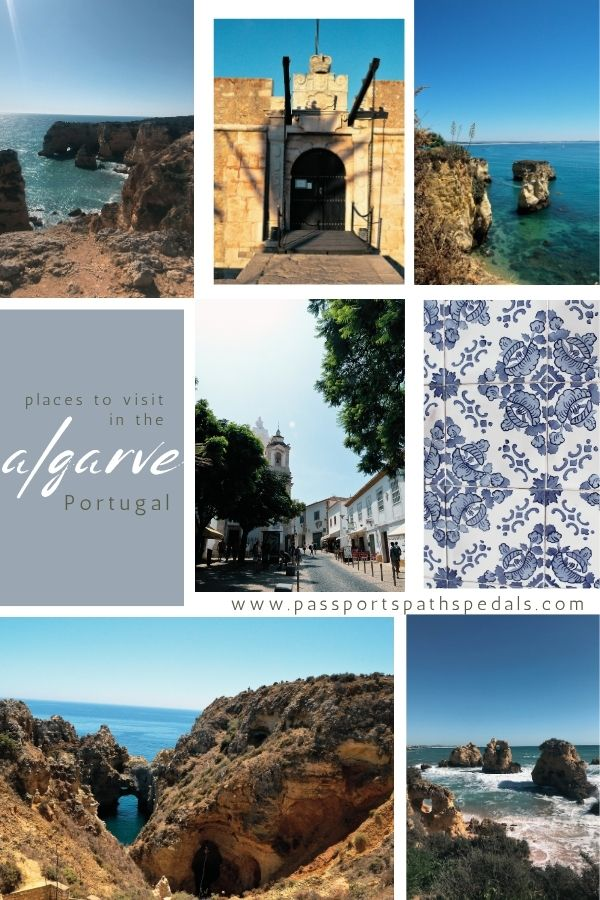
Southern Portugal’s coastline, the Algarve, is a place of striking contrast — red and gold cliffs meeting turquoise water, set against a sky that seems bluer here than anywhere else. It’s where the Portuguese come to relax, and where visitors arrive and immediately understand why.
Photos of Lagos were some of the first images of Portugal I ever saw — and honestly, they were a significant reason the country rose so quickly to the top of my travel list. That initial draw eventually became two separate trips: a summer 2015 visit based in Lagos with a day trip to Sagres, and a return in early March 2020 based in Albufeira. Two different seasons, two different corners of the coast, two very different versions of the Algarve.
Having visited twice gives me something useful to offer here: not just what the Algarve looks like in a photograph, but what it actually feels like to be there — in peak season and off it, in the wild west and the busy centre. The biggest thing I’ve learned is that where you base yourself shapes your entire experience. The Algarve isn’t one destination. It’s many.
Where should I visit in the Algarve?
- Lagos – best for: scenic coastline lovers, photographers, balanced town + nature trips
- Sagres – best for: surfers, hikers, quiet escapes, raw nature
- Albufeira – best for: first-time Algarve visitors, social travellers, convenience seekers
- Faro – best for: short stays, birding, lagoon exploration
- Tavira – best for: couples, culture, relaxed stays
- Carvoeiro – best for: scenic stays without the party scene
Lagos
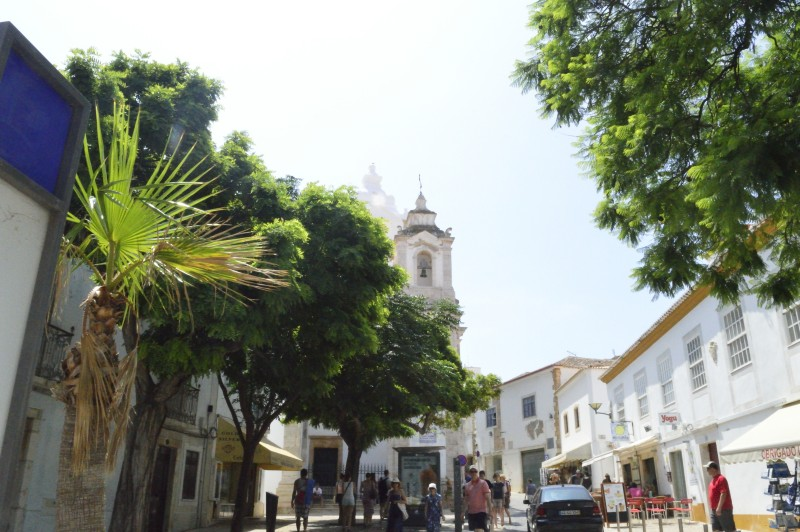
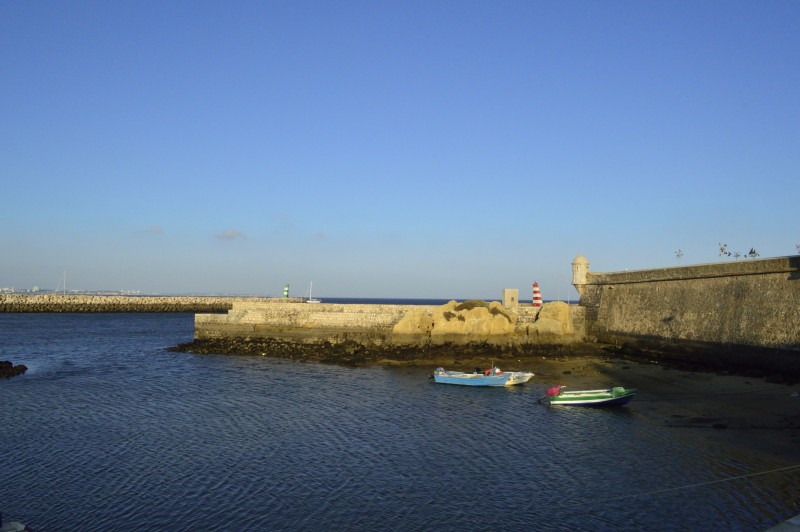
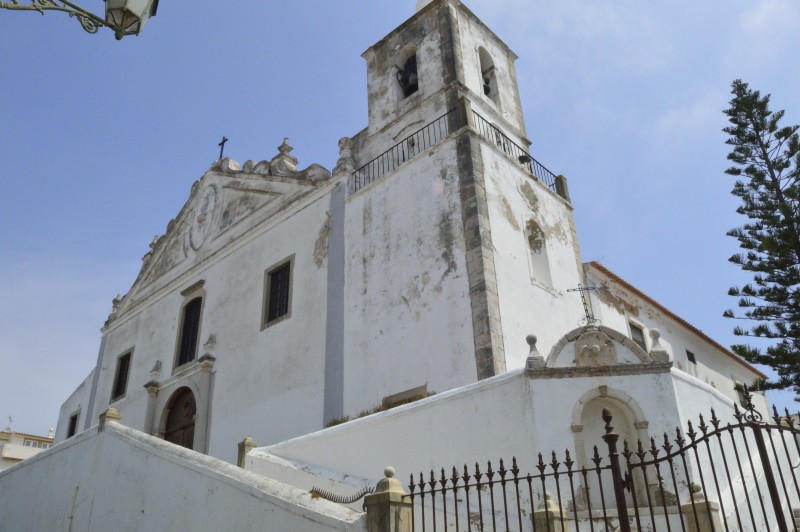
Lagos was my introduction to the Algarve, and it set a high bar. Known for its beaches, sea-carved cliffs, and a nightlife scene that draws backpackers from across Europe, Lagos manages to be simultaneously dramatic and charming — the kind of place where you can spend a morning on a cliff walk, an afternoon on the beach, and an evening getting pleasantly lost in the old town.
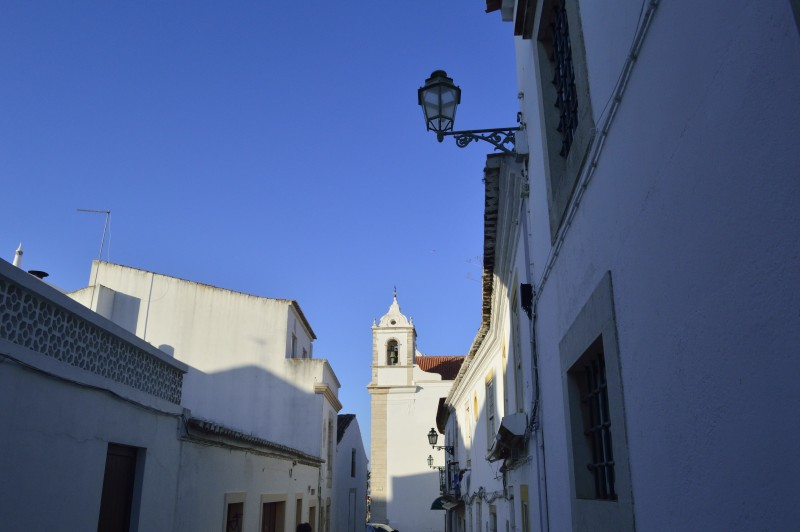
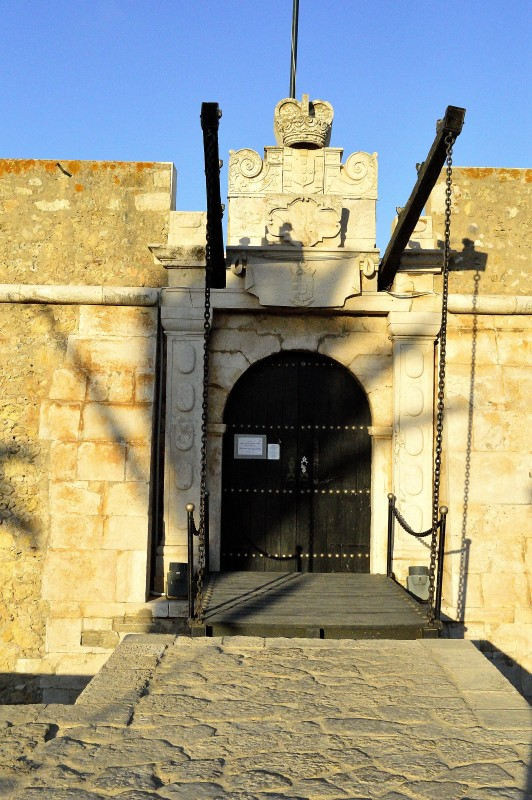
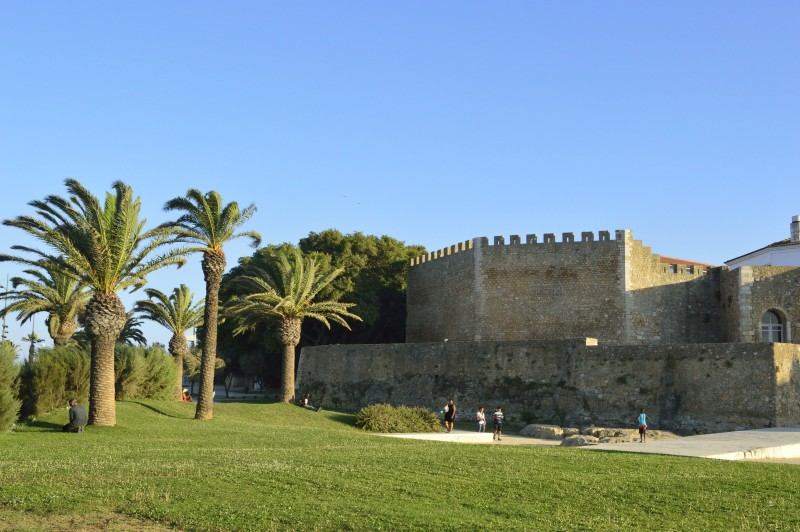
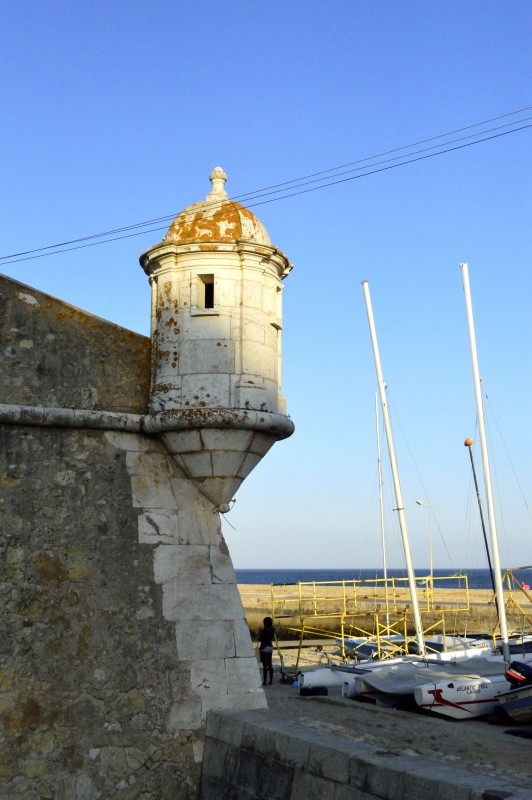
Historically, Lagos was a significant hub during Portugal’s Age of Discovery — ships departed from here that would eventually reach Africa, India, and Brazil. You feel that seafaring legacy in the old town, where the city walls still stand and the streets inside them wind between whitewashed buildings brightened by tiles and bougainvillea.
I stayed inside the city walls on my first visit, and would absolutely recommend it. The old town has the strongest atmosphere, the best access to the cliff walks and beaches, and the particular quality of a place that knows its own charm without overdoing it. Get happily lost in it. That’s the right approach.
What to See
Ponta da Piedade Cliff Walk
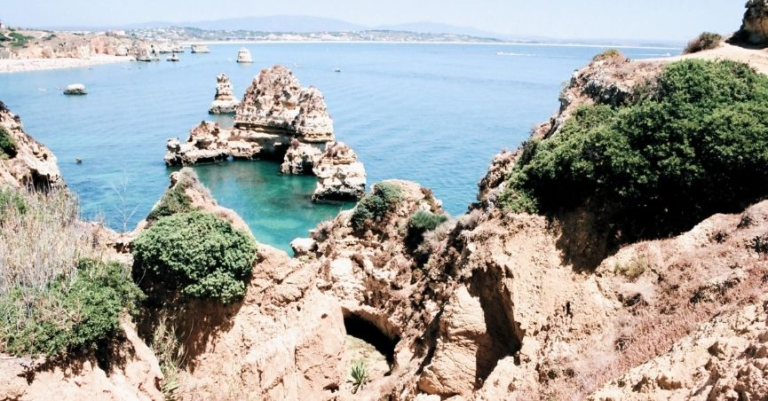
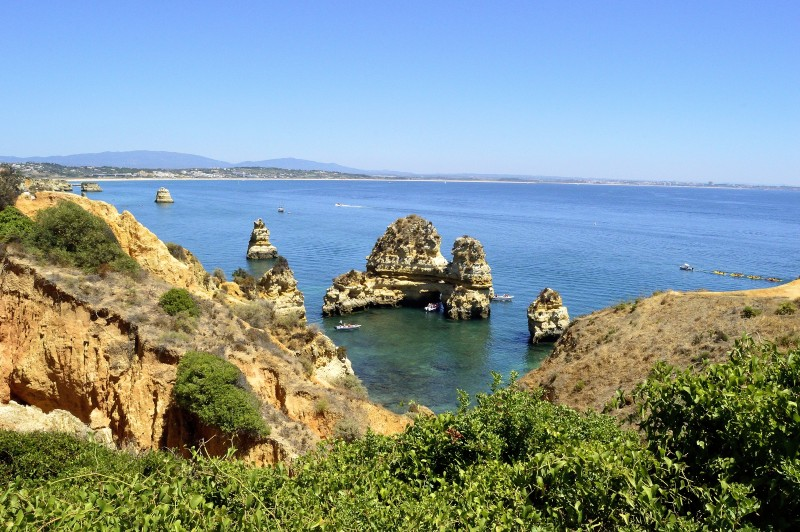
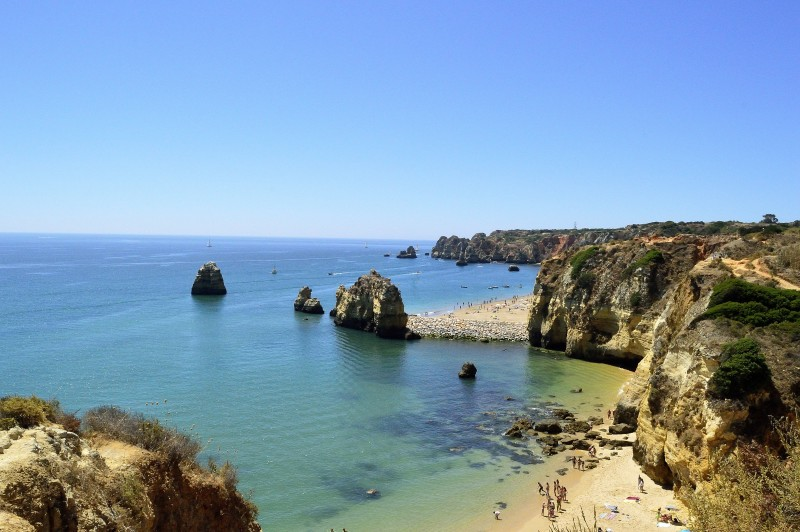
This was the highlight of my time in Lagos, and one of the most visually extraordinary things I’ve done in Portugal. A roughly 3km stretch of dramatic coastline south of the town centre, the walk takes you along the clifftops past sea arches, rock formations, hidden beaches, and caves carved by centuries of Atlantic wind and waves.
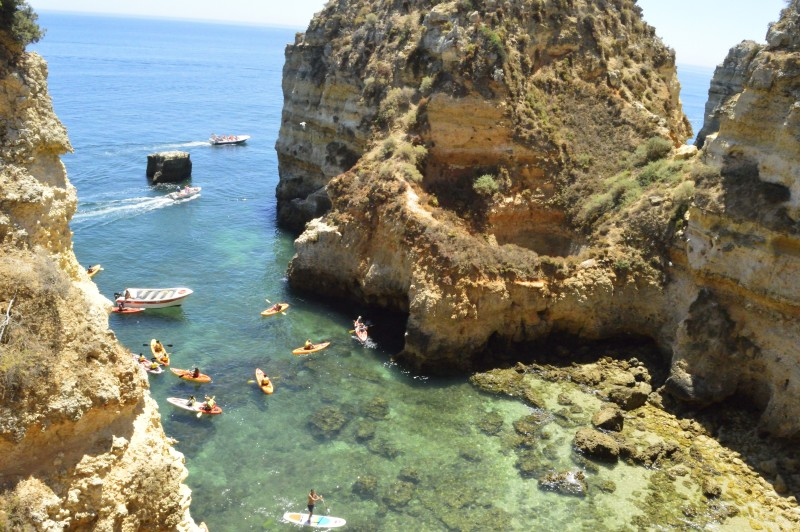
I walked from town — about 2km to reach the start — following the cliffs toward the lighthouse. The views from above are extraordinary enough. From below, accessed via stairs and paths down to the water, they’re otherworldly. Boat tours, kayaks, and paddleboards all operate from the beaches beneath the cliffs, and seeing the rock formations from water level gives you a completely different perspective.
Tip: wear sunscreen, bring a hat, and carry more water than you think you’ll need. I underestimated the sun significantly — even with reapplication, I came back with a burn. Shade is almost nonexistent on this walk.
Beaches (Praia)
Lagos has no shortage of beaches, each with its own character:
- Meia Praia — the largest, stretching 5km east of town, is good for long walks and calmer waters.
- Praia da Batata — the closest to the old town centre, easy to reach on foot.
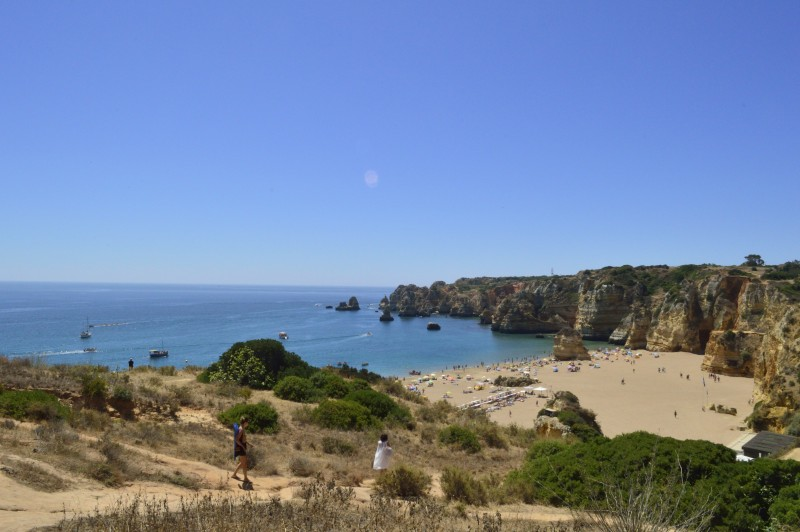
- Praia Dona Ana — the most visually dramatic: golden sand, turquoise water, and steep sandstone cliffs rising on all sides. The one you’ve seen in the photos. It earns it.
The water looks Caribbean-clear, but don’t be fooled — it’s the Atlantic, and it’s cold. Most beaches have restaurants and restrooms; some offer sunbed rentals.
How to Get There
Getting to Lagos
From Lisbon: Train from Entrecampos to Tunes (approx. 3 hours), then transfer to the Lagos line (1 hour). It’s a 20–30 minute walk from Lagos station along the marina to the old town. Alternatively, Rede Expressos and Eva Bus both run direct coaches (approx. 4 hours).
From Faro: Regional train approximately 1 hour 45 minutes, with direct trains every other hour. The bus from beside the train station takes a similar amount of time.
Sagres
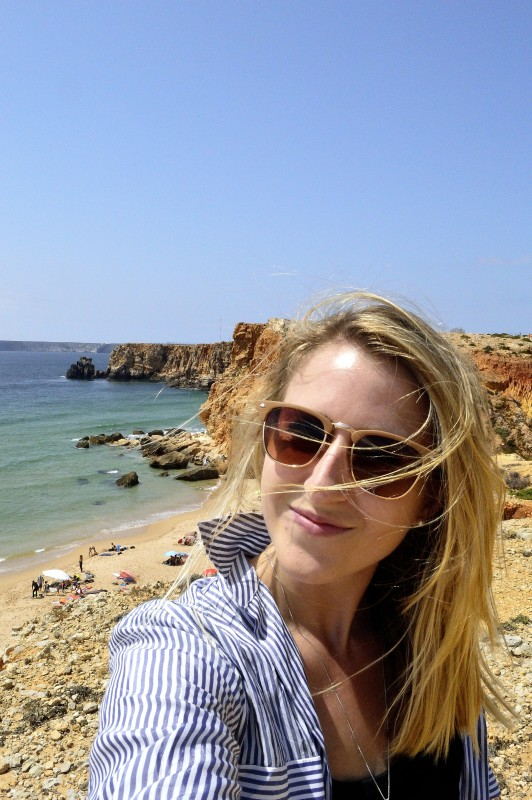
Sagres has a quieter, more rugged feel. It’s smaller, less touristy and far quieter than Lagos or Albufeira, but no less stunning. It is perfect for surfers, nature lovers, and those seeking peace. I visited as a day trip from Lagos for two reasons: it’s the most southwesterly point of mainland Europe, and my mom once stayed here during her travels in her twenties.
This windswept town offers dramatic cliffs, excellent surf, and the kind of natural beauty that doesn’t need much dressing up. If you’re looking to base yourself somewhere low-key and wild, Sagres might be a good choice.
What to See
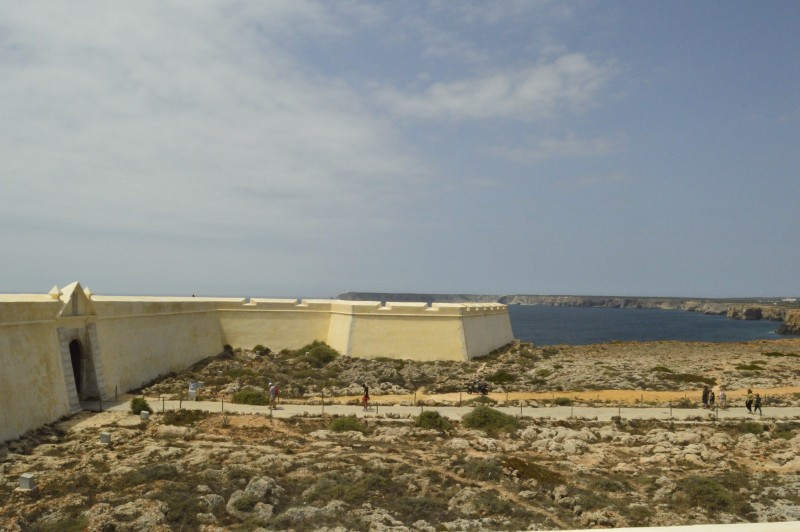
Sagres Fortress & Cape St. Vincent
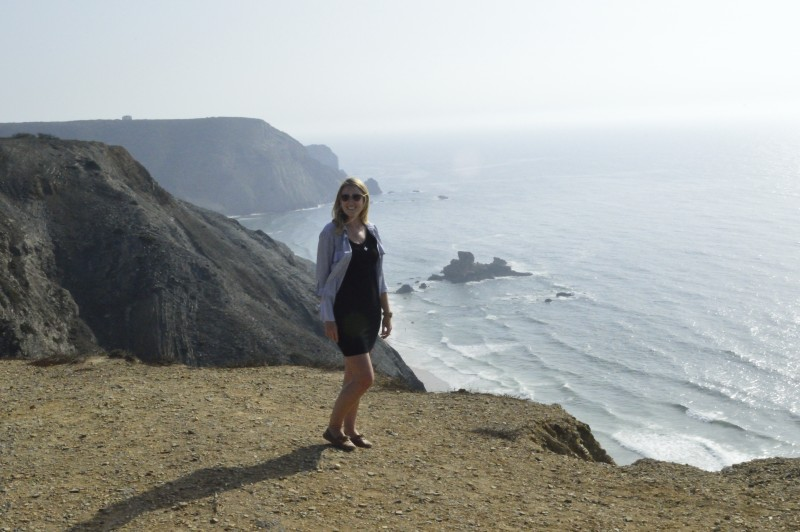
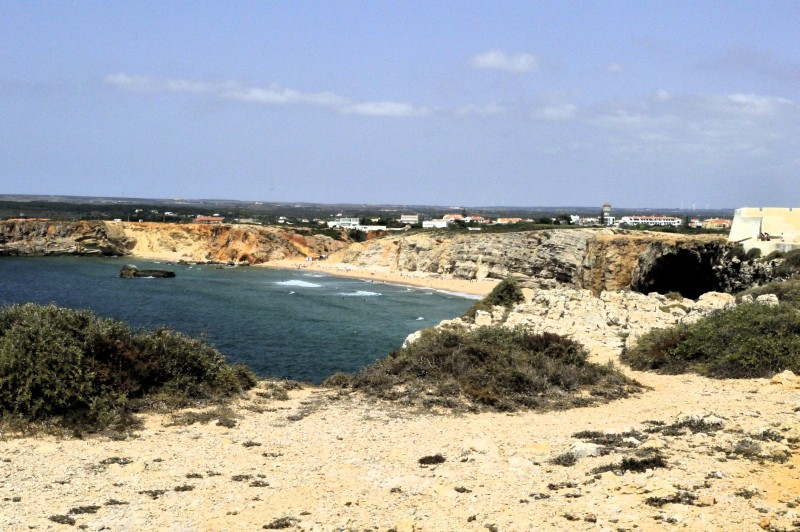
The real draw here is the scenery. Harsh winds and salty sea spray mean vegetation is tough and low, but if you look closely, you’ll spot hardy wildflowers and seabirds clinging to the edges.
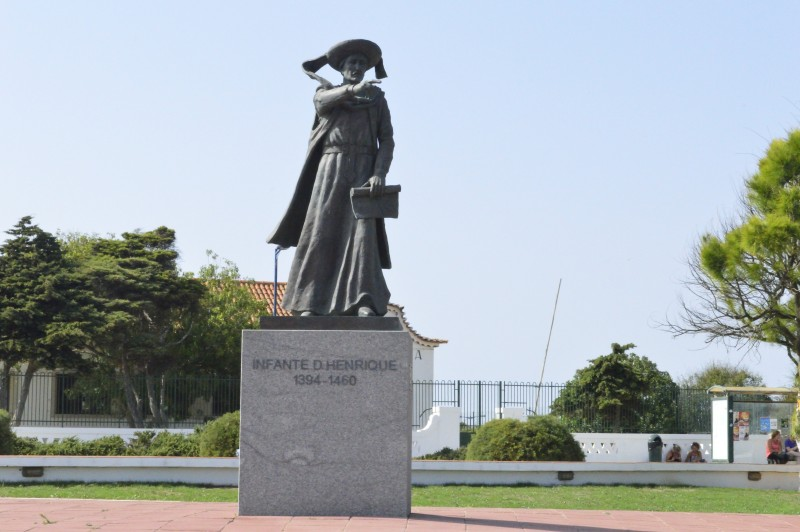
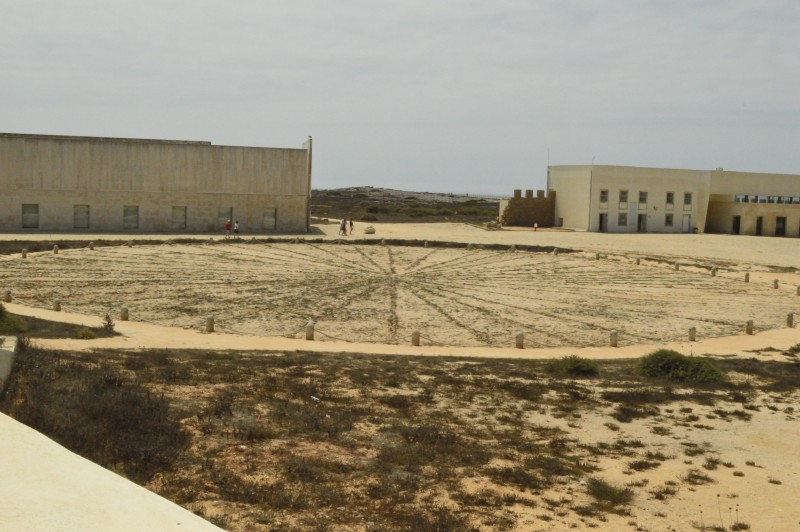
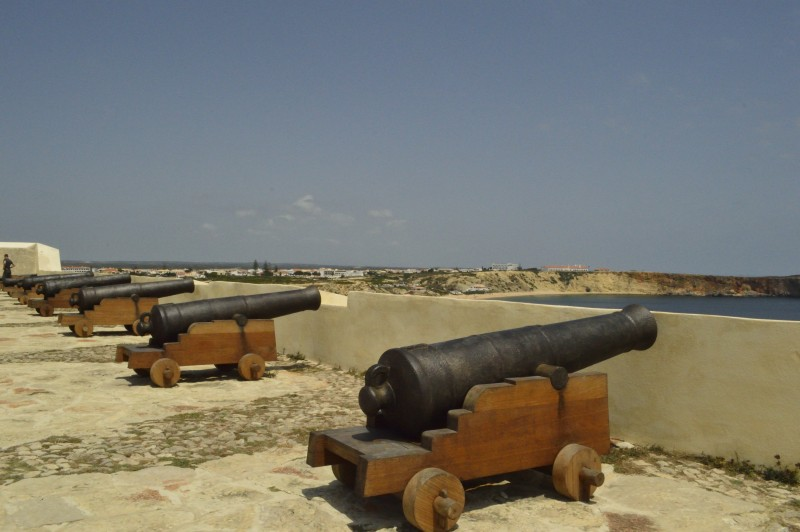
Sagres Fortress once served as a defensive outpost and launch point for explorers. Cape St. Vincent, just west of town, is home to Portugal’s most powerful lighthouse and dramatic coastal views. Expect to spend 30–45 minutes at each site unless you’re hiking.
West Coast Viewpoints (Miradouros)
If you have a car, drive north along the coast and stop at the signed miradouros (viewpoints) for sweeping views of the Atlantic. It’s wild, remote, and worth it.
Fishing Harbour + Beaches
Wander the eastern side of town to see the fishing harbour in action or head to Praia da Mareta for a relaxing beach day. For something smaller and more surfer-friendly, check out Praia do Tonel west of the fort.
Getting There
- From Lagos:
- Eva Bus runs hourly buses from Lagos to Sagres (approx. 1 hour). The Sagres stop is centrally located near the tourist info center.
- From Lisbon:
- Rede Expressos has one direct bus per day to Sagres (approx. 5 hours), or take the train to Lagos and transfer from there.
- From Faro: Catch the train or bus to Lagos, then transfer to the hourly Eva bus to connect to Sagres. The entire journey will take between 3.5 and 4 hours. Alternatively, driving takes about 1.5 hours.
Albufeira
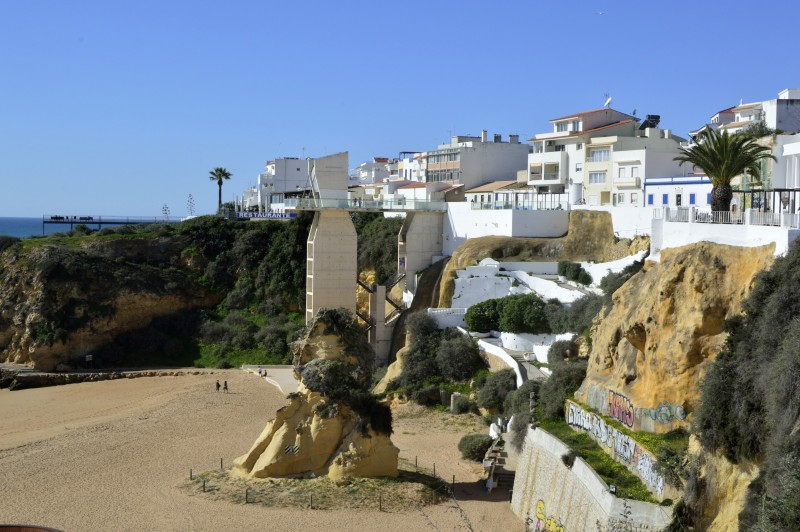
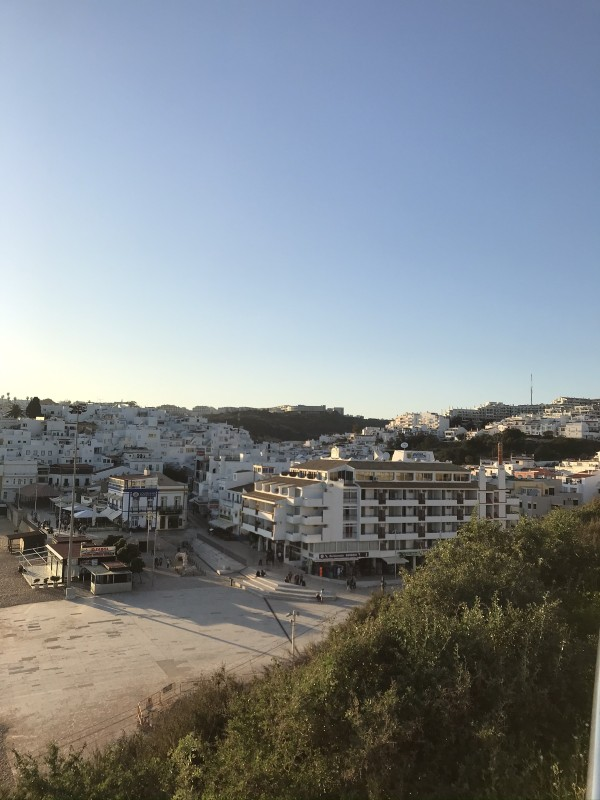
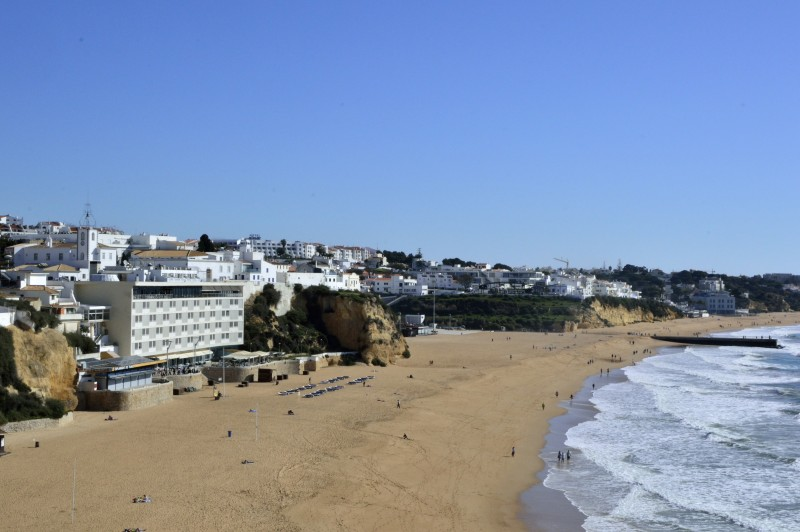
The most lively and tourist-oriented of the three. Known for its golden beaches, dramatic cliffs, and lively old town. Once a quiet fishing village, it’s now a vibrant coastal hub offering something for everyone—sun-seekers, history lovers, and nightlife enthusiasts alike. It’s a great choice if you want a mix of sun, sea, and social energy. Boat trips to caves and dolphins leave right from the marina, and you’ll find endless restaurants and entertainment.
What to See
Albufeira Old Town (Centro Histórico)
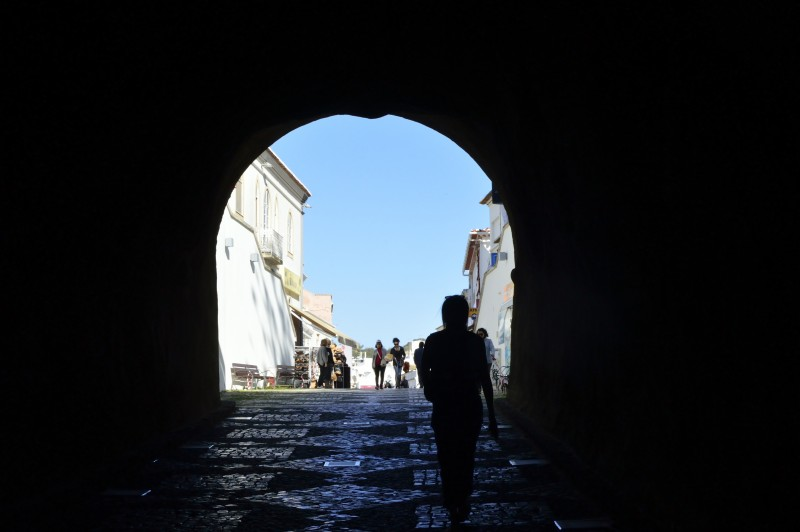
A compact maze of cobbled lanes, tiled staircases, and small squares. By day, it’s relaxed and walkable; by night, it becomes lively with restaurants, music, and late dinners.
Praia dos Pescadores
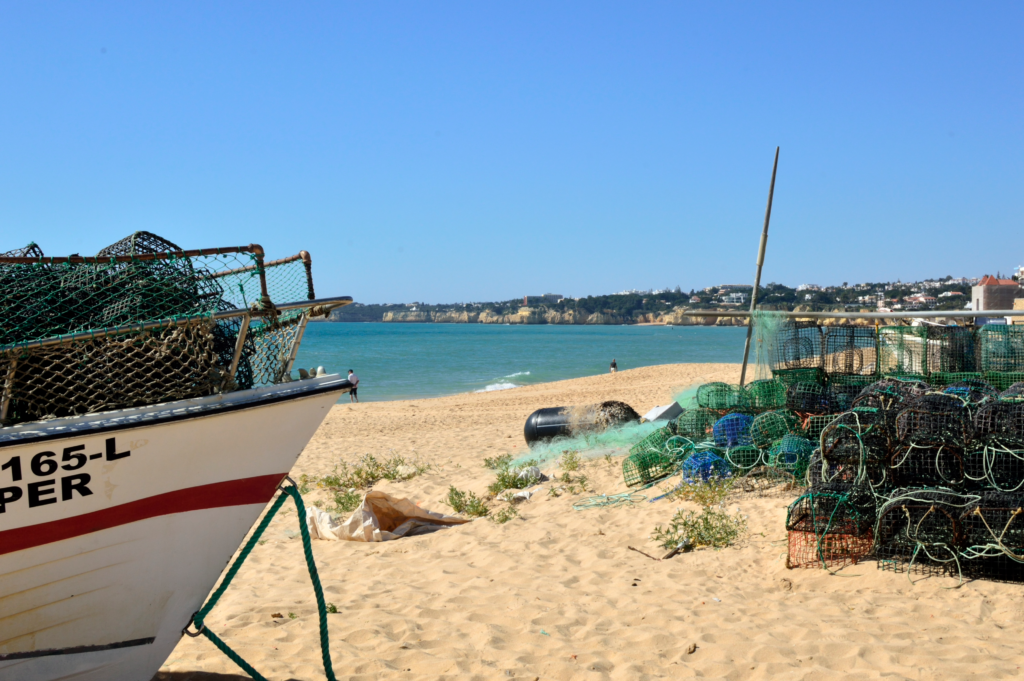
The town’s main beach sits right below the Old Town, backed by cliffs and colourful fishing boats. It’s one of the easiest-access beaches in the Algarve and a great spot for swimming.
Clifftop Walks & Viewpoints
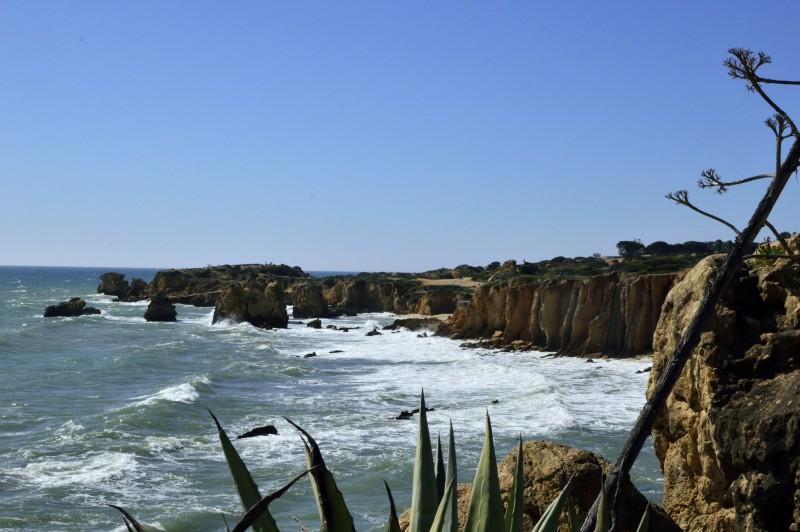
Short coastal walks east and west of town offer classic Algarve scenery—layered limestone cliffs, turquoise water, and sea arches.
São Vicente de Albufeira Statue & Church of Sant’Ana
Small but worthwhile stops that give a sense of Albufeira’s fishing-village roots before tourism reshaped the town.
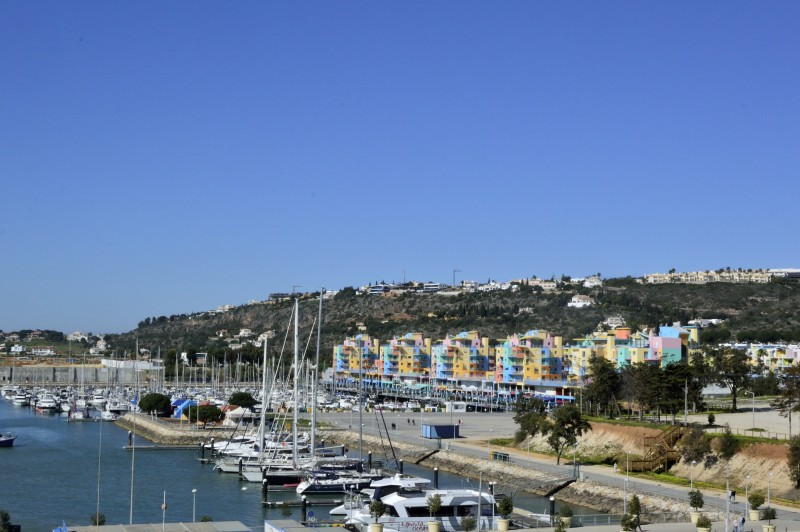
Marina de Albufeira
A more modern area with bright buildings, cafés, and boat tours departing for cave cruises and dolphin spotting.

Getting There
Albufeira is one of the easiest Algarve towns to reach.
- From Faro Airport
- Train: Around 40 minutes to Albufeira-Ferreiras station, followed by a short taxi or bus ride into town
- Bus: Direct services take about 1–1.5 hours
- Taxi/Uber: ~40 minutes
- From Lisbon
- Train: 2.5–3 hours (Alfa Pendular or Intercidades)
- Bus: Similar timing, often cheaper
- Car: ~2.5 hours via the A2
Other Popular Places in the Algarve
If Lagos, Sagres, or Albufeira don’t quite fit your travel style, try these Algarve towns. The first two have been on my Portugal list for a while now.
Tavira
Tavira is often considered one of the Algarve’s most elegant towns. Set along the Gilão River, it’s known for its Roman bridge, historic churches, tiled façades, and relaxed pace. Beaches are reached by short ferry rides across the lagoon to Ilha de Tavira, keeping the town itself calm and less touristy.
Carvoeiro
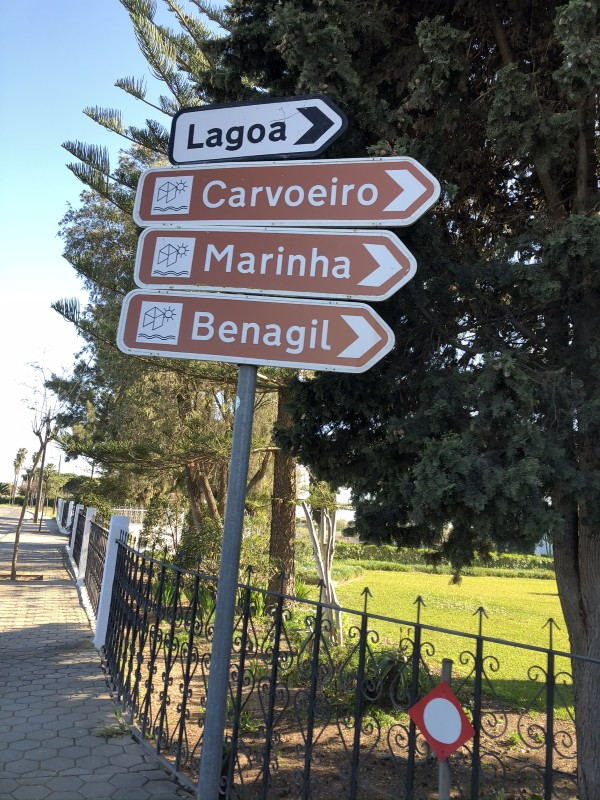
Carvoeiro is a compact cliffside village surrounded by some of the Algarve’s most dramatic coastal scenery. It’s a fantastic base for the Seven Hanging Valleys Trail, with easy access to sea caves, arches, and viewpoints. While popular, it feels more laid-back than Albufeira and is very walkable.
Praia da Luz
A small seaside town just west of Lagos, Luz has a calm, village-like feel with a wide sandy beach and gentle swimming conditions. The pace here is slow, with sunset walks along the promenade and casual beachfront dining.
Faro
Often overlooked as just an airport city, Faro has a beautiful walled old town (Cidade Velha), cobbled streets, and lagoon views over Ria Formosa Natural Park. It’s one of the best bases for birdwatching, cycling along the lagoons, and ferry trips to barrier island beaches.
Monchique
Located inland in the Algarve mountains, Monchique offers a completely different experience. Cooler temperatures, forested trails, thermal springs, and panoramic viewpoints make it a refreshing contrast to the coast. It’s less about beaches and more about hiking, quiet villages, and fresh mountain air.
Olhão
A working fishing town east of Faro, Olhão feels authentic and unpolished. Known for its seafood markets and cube-shaped Moorish architecture, it’s a great base for ferrying to the islands of Ria Formosa while staying somewhere distinctly local.
Final Thoughts
The Algarve isn’t one destination—it’s many. Whether you want nightlife, wild cliffs, quiet beaches, or historic towns, choosing the right base shapes your entire experience.
Pin me for later
You might like these Iberian Peninsula posts: