Porto, Portugal: The Perfect 2 to 5+ Day Itinerary
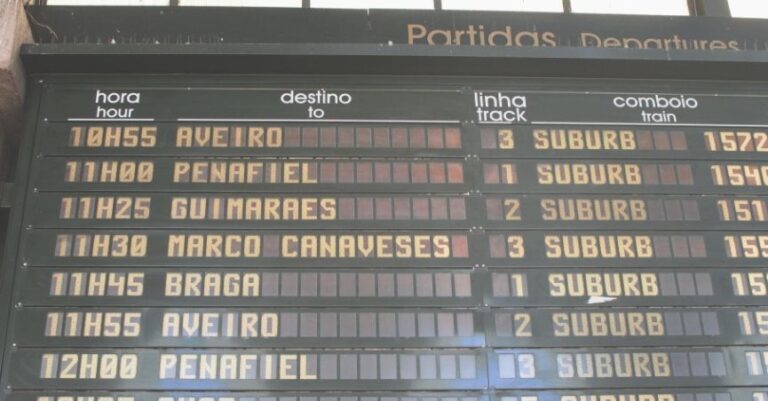
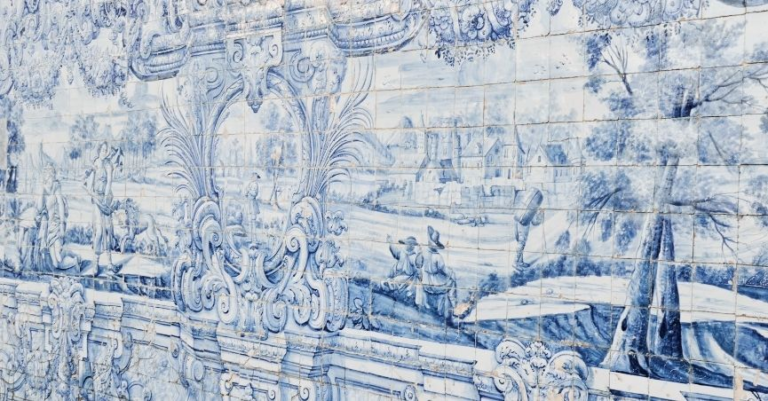
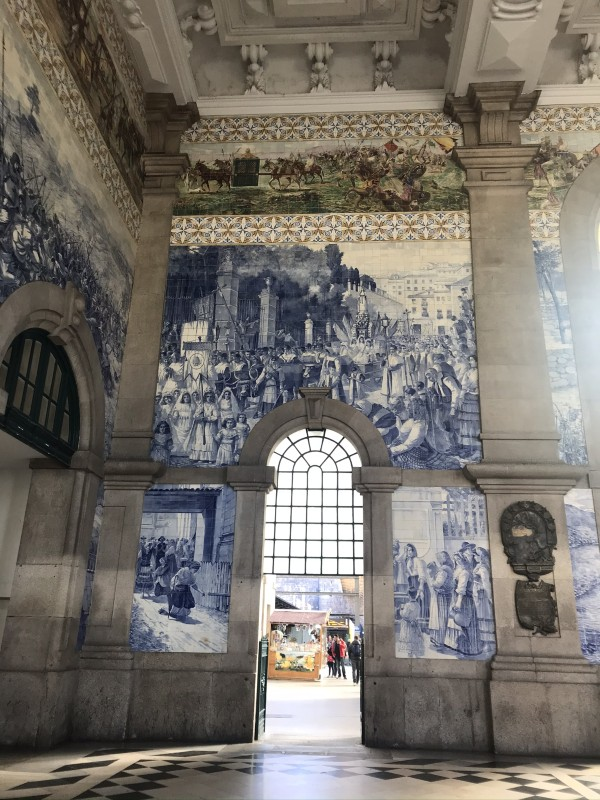
If there’s a right way to arrive in Porto, it’s by train — and specifically to São Bento Station. You can arrive other ways, of course, but stepping into this station for the first time feels like a preview of what the city has in store. The walls are covered in intricate blue and white azulejo tiles, telling stories of Portuguese history in stunning detail. I stood there for a while, both times I arrived, just soaking it all in. It immediately sets the tone for everything that follows.
I’ve been to Porto twice, and I’ll say something that might surprise people who assume Lisbon is the obvious favourite: Porto got better on the second visit in a way Lisbon didn’t quite manage. Not because Lisbon disappointed — it never does — but because Porto revealed more. A city that gives you more the second time around is, quietly, a city worth returning to.
This guide covers 2 through 5+ day itineraries in Porto, with day trip options for those who want to use it as a base for exploring northern Portugal. Each extra day adds depth rather than just more sights — Porto rewards slowing down.
Porto at a glance
- Best for: Azulejo architecture, port wine, riverfront wandering, food, day trips
- Ideal stay: 4 days (3 minimum; 5+ if adding day trips)
- Where to stay: Ribeira (atmospheric, riverside) · Bonfim (local, creative) · Baixa (central, walkable)
- Vibe: Unhurried, beautiful, slightly lived-in — in the best way
- Don’t miss: São Bento Station, Dom Luís I Bridge, Vila Nova de Gaia, Crystal Palace Gardens
- Good to know: Porto is hilly — comfortable shoes with grip are non-negotiable on the cobblestones
Porto Itinerary Options
Before You Arrive
Porto is well connected by train from Lisbon (about 3 hours on the Alfa Pendular — book in advance in peak season) and by flight from most European hubs. The Francisco Sá Carneiro Airport is about 20 minutes from the city centre by metro.
Getting around: Porto is very walkable, but the hills are real. The metro covers the main areas well, and trams run a few scenic routes. Uber is reliable and inexpensive for steeper stretches at the end of a long day.
Where to Stay
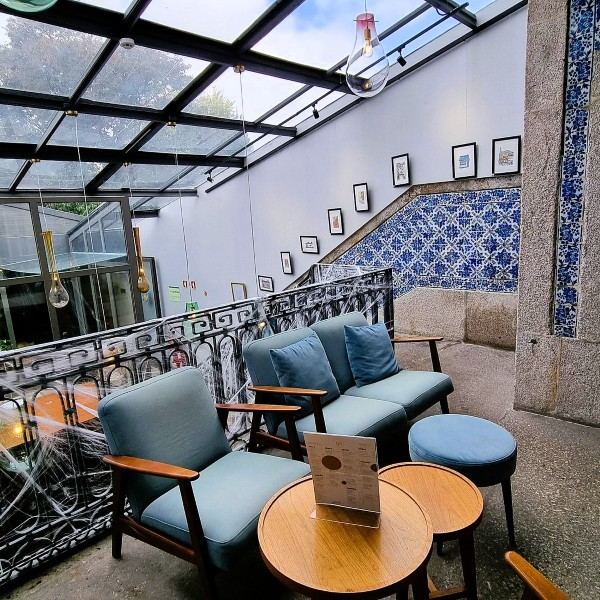
Gallery Hostel is one of the best hostels I’ve stayed in anywhere — boutique hotel feel, thoughtfully decorated, staff who give tips like they’re sharing secrets with old friends. For a small fee, their communal Portuguese dinner delivers endless wine, good food, and conversation with strangers who don’t feel like strangers for long. Worth every euro and worth staying in even if you’ve moved past the hostel phase of travel.
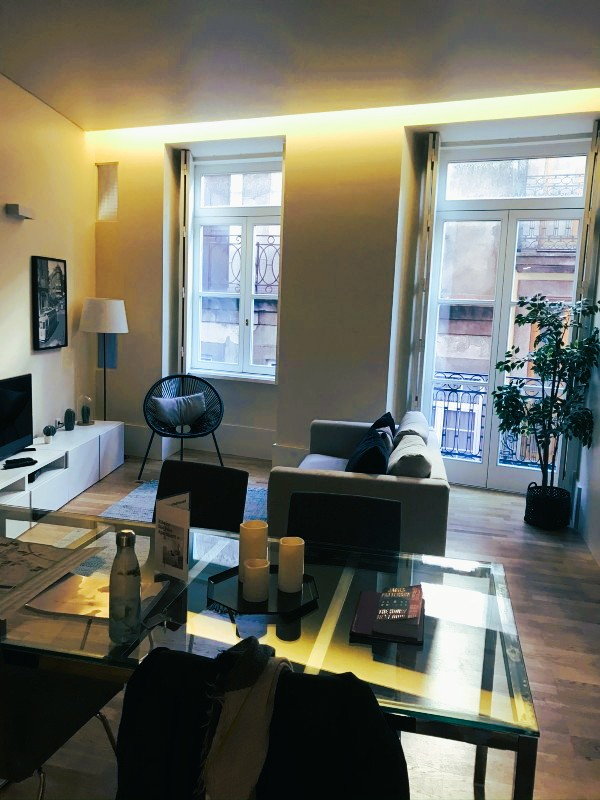
On my second visit, we stayed in an Airbnb apartment in the Riberia neighbourhood. It was lovely to be in the heart of it all. Links to both accommodations in the “Plan this trip” section at the end of the post.
Porto in 2 Days
Day 1: The City on Foot
Morning
Start where you should always start: São Bento Station. Even if you didn’t arrive here, come anyway. The azulejo panels covering the walls — depicting scenes from Portuguese history and rural life — are among the finest tilework in the country. Give yourself time to look properly rather than just photograph and move on.
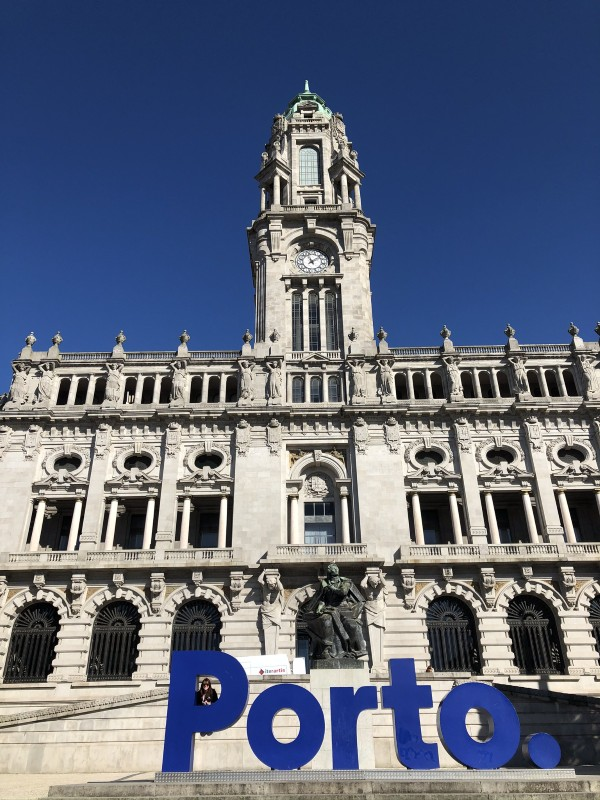
From São Bento, walk up to Avenida dos Aliados, Porto’s grand central boulevard, where the ornate city hall anchors one end and the famous Porto sign sits out front.
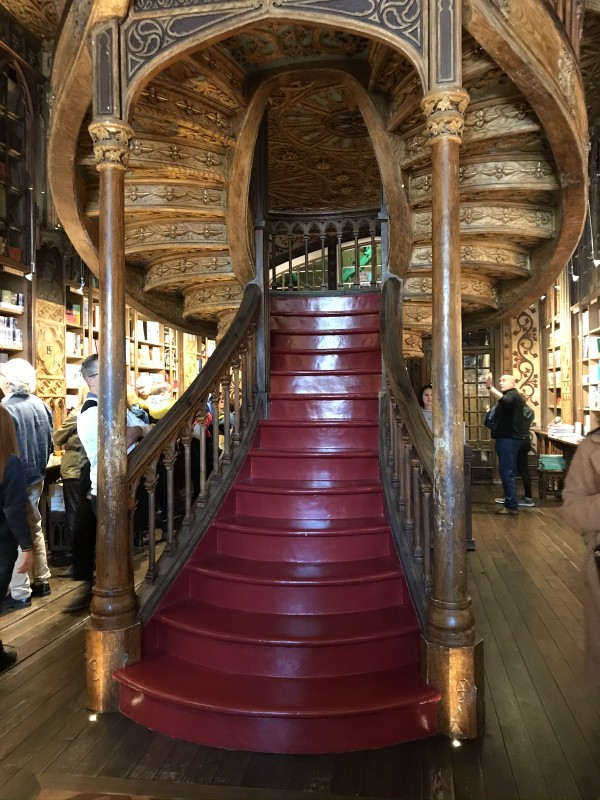
Livraria Lello is a short walk away and very much worth visiting — one of the most beautiful bookshops in the world, with a sinuous red staircase, stained glass ceiling, and Neo-Gothic carved woodwork. Go early to avoid the worst of the crowds. You’ll likely spend longer than planned getting the staircase photo, and that’s fine — just be aware it gets genuinely packed by mid-morning, and the queues can take the magic out of it. I’d still pop in. I’d also probably buy a book if it weren’t so busy.
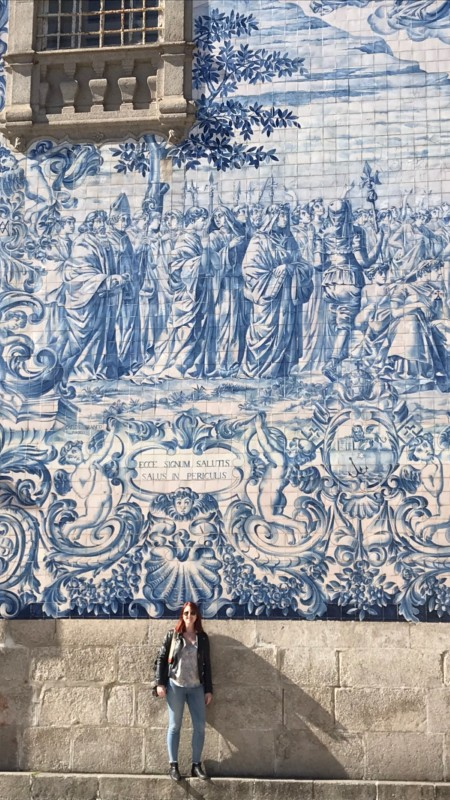
Nearby, the twin Igreja do Carmo and Igreja das Carmelitas share a wall — famously separated by one of the narrowest houses in the world, built to prevent monks and nuns from mingling too freely. The tiled facade of Igreja do Carmo is one of Porto’s most photographed exteriors, and deservedly so.
Afternoon
Climb the Torre dos Clérigos — 225 steps to the top of Porto’s most iconic tower, with panoramic views over the rooftops and down to the river. Open until 11 pm, which makes it equally good at sunset.
Rua das Flores — one of Porto’s prettiest streets, lined with tiled facades, flower sellers, and the kind of independent shops that make you slow your pace.
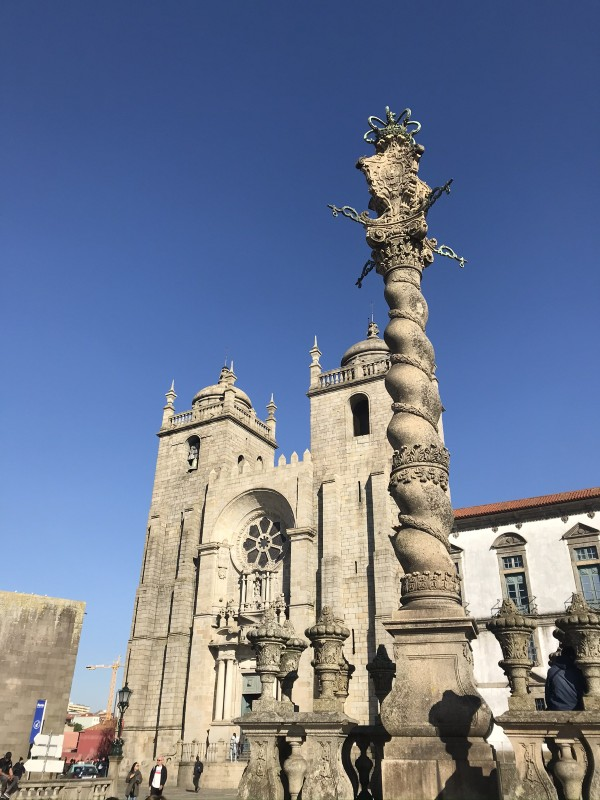
Spend the rest of the day wandering the Porto Cathedral (Sé do Porto) — the cloisters are beautiful, and the bell tower gives 360-degree views across the city’s many levels, with the Clérigos Tower visible in the distance. Entry to the cathedral is free; €3 for the cloister and tower.
Evening
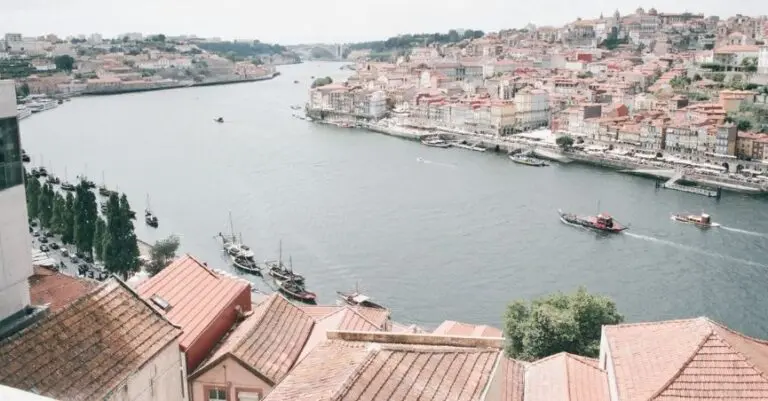
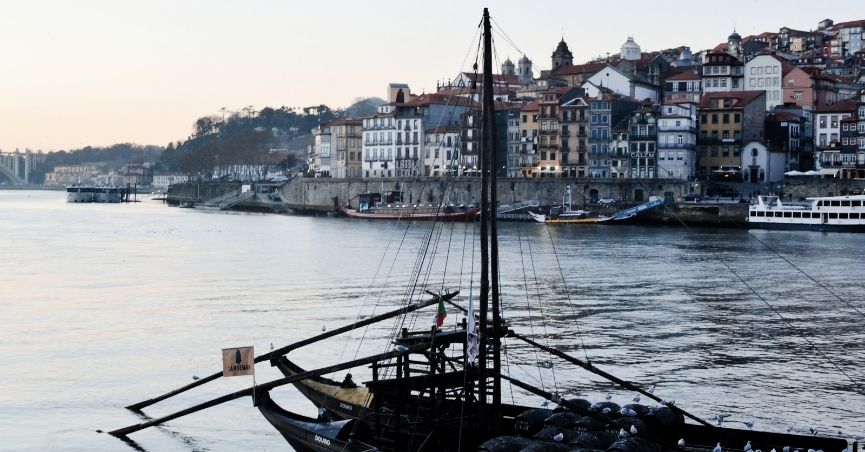
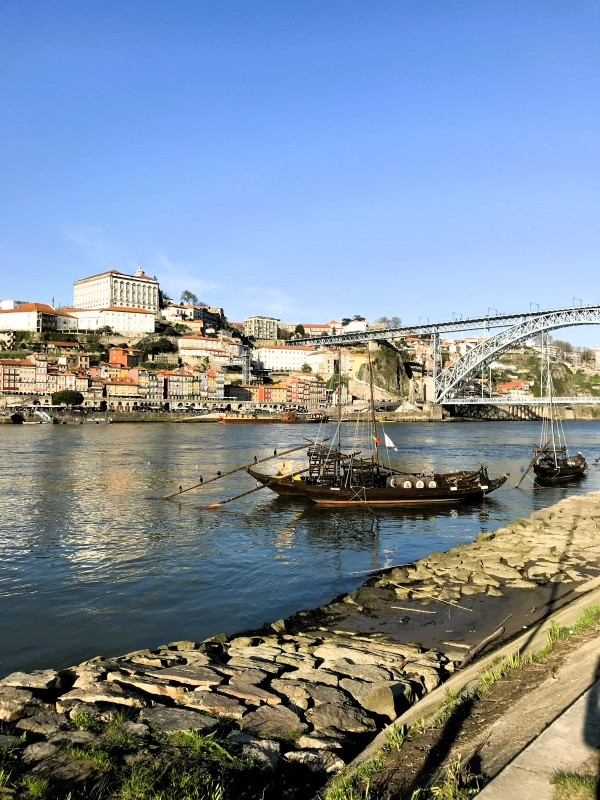
Walk down to the Cais da Riberia – the waterfront. Take in the views of the river and port houses on the other side, perhaps with a pre-dinner drink. The atmosphere here is usually lively with many people, tourists and locals strolling by the river. For dinner, try Mescla.
Day 2: Jardins and Gaia
Morning
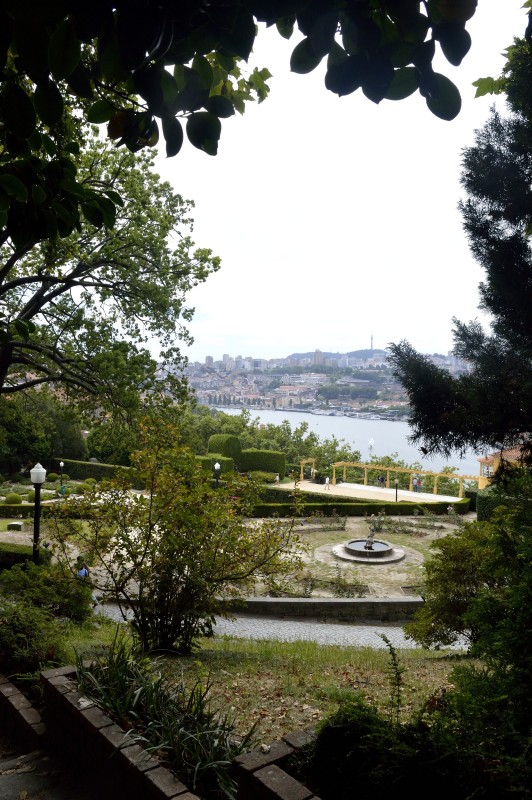
Walk to the Jardins do Palácio de Cristal — Romantic-era gardens with beautifully landscaped paths, resident peacocks, and views from the right spots out to the Douro winding toward the Atlantic. On a clear morning, this place is quietly spectacular and surprisingly uncrowded. It’s the kind of spot that rewards arriving early and staying longer than planned. Peaceful, romantic, and genuinely serene for being in the middle of a city.
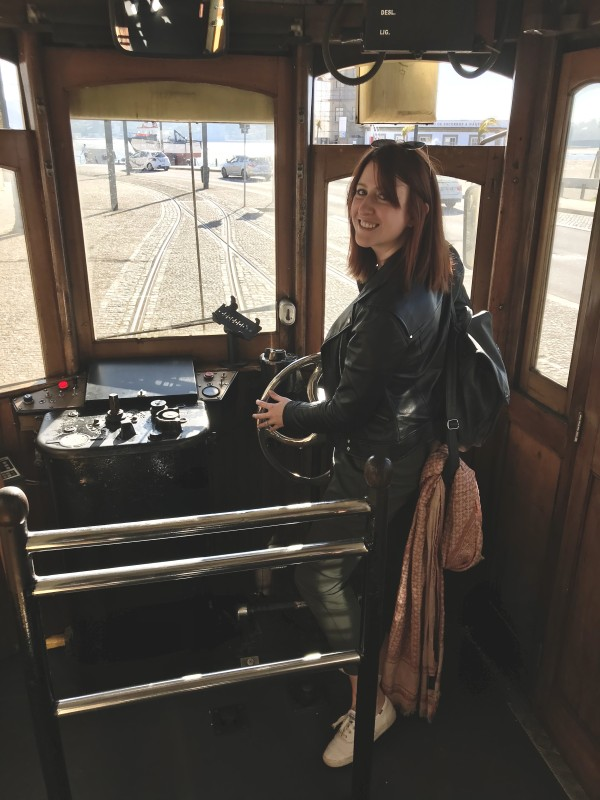
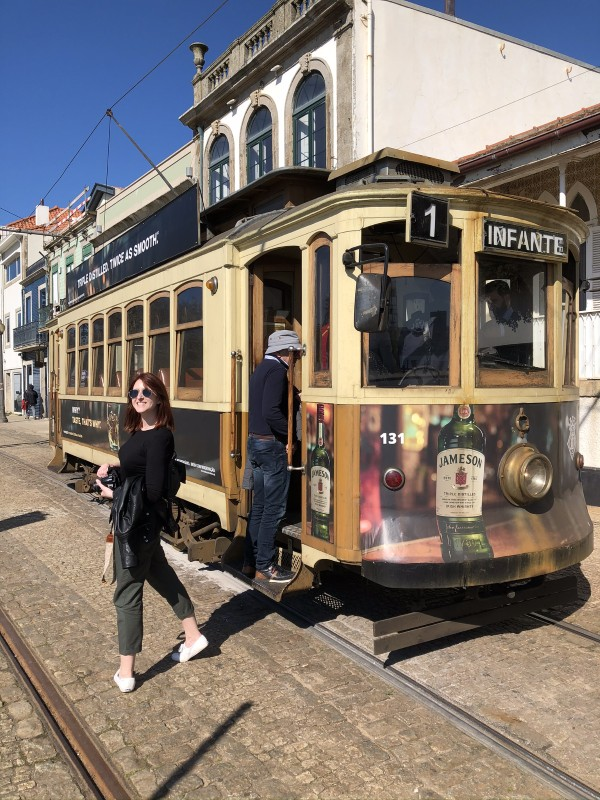
Take the vintage Tram Line 1 to Foz do Douro. It’s Porto’s ocean-facing neighbourhood at the mouth of the Douro. Sandy beaches, a covered market, restaurants, and beautiful sunset views. The ride is bumpy and charming, with river views most of the way. Gets busy in peak season; go early for a seat.
Afternoon
Head back to Porto either by the Tram Line 1 or bus 500, and get off as close to the Dom Luis Bridge as you can.
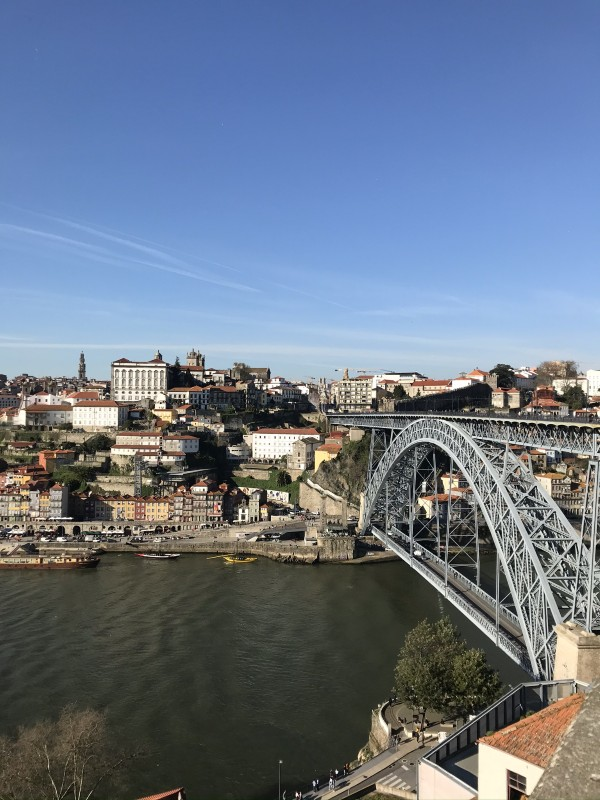
Cross the Dom Luís I Bridge on foot. This double-decker iron bridge — designed by a protégé of Gustave Eiffel — spans the Douro, connecting Porto to Vila Nova de Gaia, and the walk across offers some of the best views in the city in both directions. Take the upper deck across and the lower deck back for two completely different perspectives of the river and the Ribeira below.
Take the Teleférico de Gaia cable car back down to the waterfront (€6 single, €9 return) for a bird’s-eye view of the Ribeira before your feet hit the ground again.
On the Gaia side, make for Sandeman or one of the other port wine lodges for a tasting — white, rosé, tawny, and ruby, strong and sweet and warming. Even a simple tasting rather than a full tour gives you a real sense of a drink so woven into this city’s identity that the two are nearly inseparable.
Evening
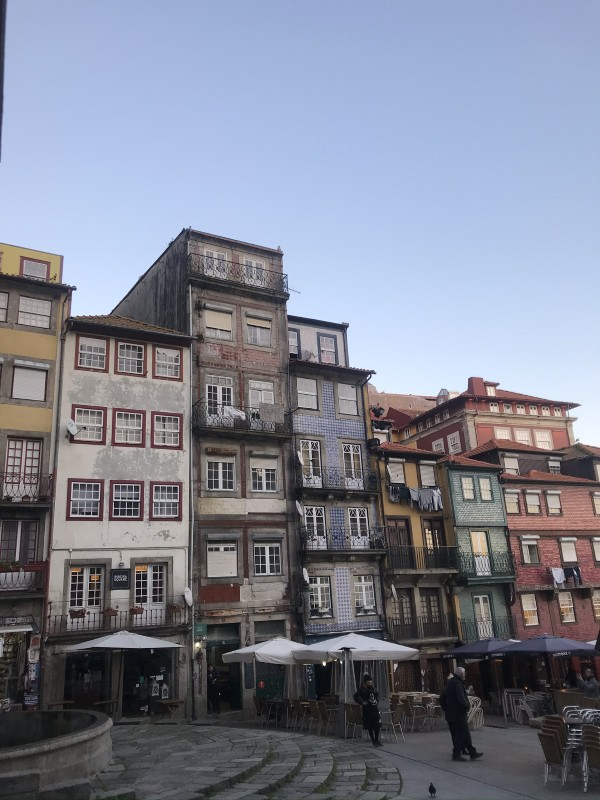
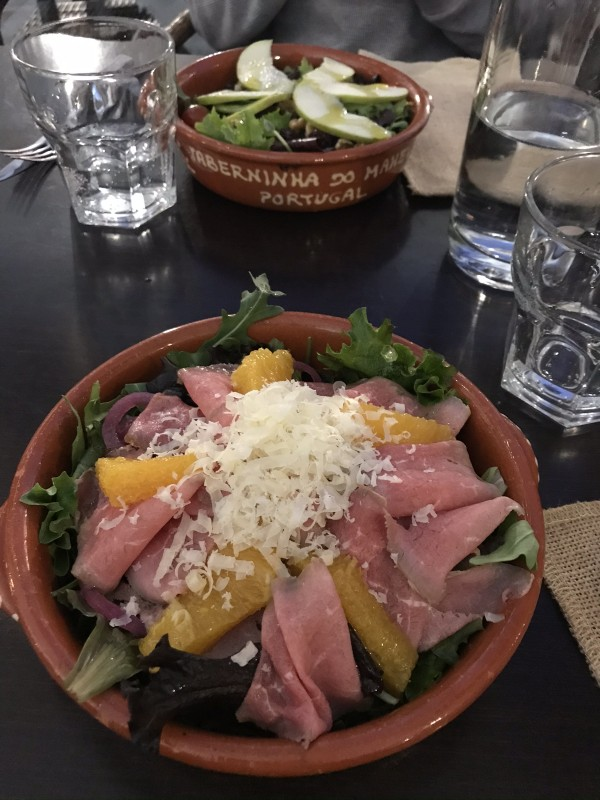
Head to the riverside Taberninha do Manel — traditional Portuguese flavours with a fresh twist, and outdoor tables with a perfect view of the Douro. The colourful building facades along the waterfront — terracotta and yellow and faded blue — catch the last light beautifully.


Porto in 3–4 Days
Three days is the minimum I’d actually recommend, and four is better. The extra time lets you soak in Porto — longer lunches, miradouro time, wandering without an agenda. Do the same for days 1 & 2
Day 3 options:
Add a day trip (see below) or dedicate the day to the food and wine experiences you haven’t had time for — a port wine tasting with a full cellar tour rather than a quick tasting, a cooking class, an evening fado performance if you didn’t catch one in Lisbon.
Day 4:
- Deeper city wandering — the Museu do Centro Hospitalar do Porto, a small museum tracing the history of early pharmacy and medicine, is genuinely interesting for those with a healthcare or history interest. The Museu Nacional Soares dos Reis covers Portuguese art from the 19th and 20th centuries. Or simply revisit the neighbourhoods you liked best on Day 1 and go slower.
- Explore any tiled church facades you missed on Day 1. Porto has a habit of surprising you around corners: the Capela das Almas de Santa Catarina, the Igreja de São Ildefonso — each one more captivating than the last. If you love tiled buildings and old-world charm, Porto is like a living museum that keeps adding rooms. Learn more about the stunning blue tiles – azulejos in this post.
- Check out the various miradouros marked on Google Maps.
Day Trips from Porto
Porto works beautifully as a base for northern Portugal. These are the day trips worth building your extra days around. Read more about Porto day trips in this post.
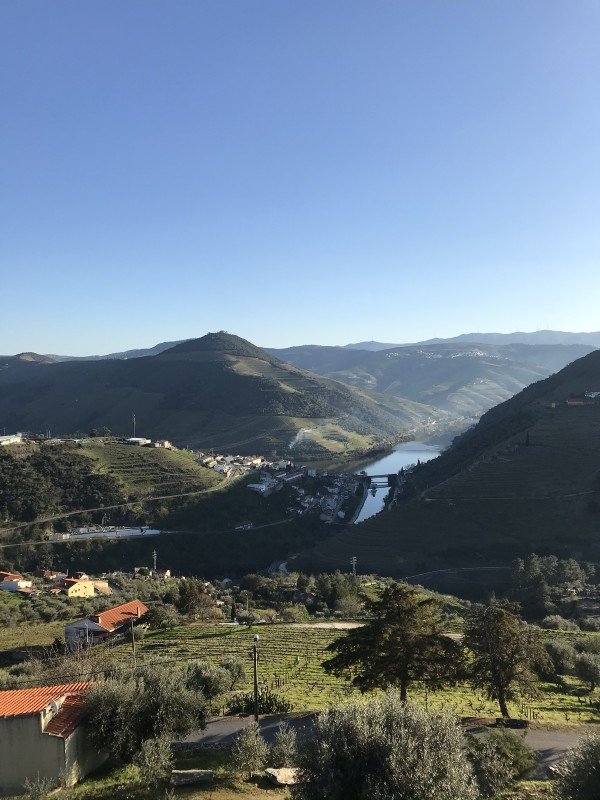
- Douro Valley — Porto’s most essential day trip, the world’s oldest demarcated wine region, and one of the most beautiful landscapes in Europe. Full Douro Valley post.
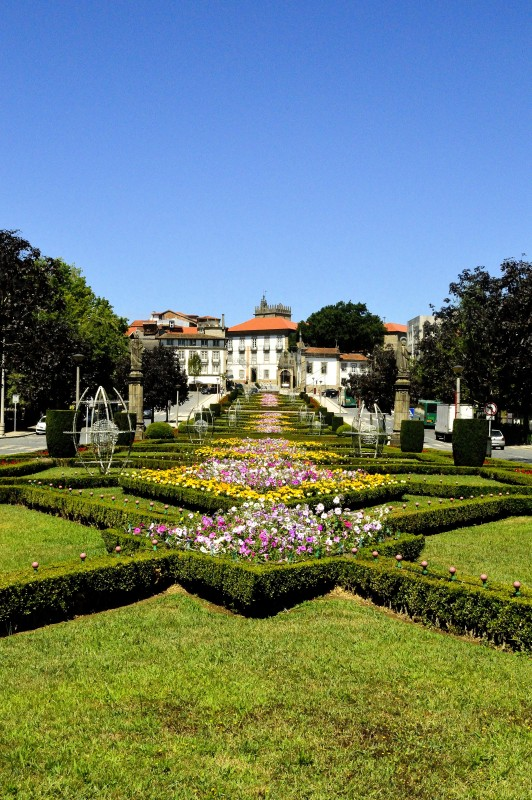
- Guimarães — this medieval town is considered the birthplace of Portugal and its first king. A UNESCO World Heritage Site, with castle walls, stone alleys, sunlit plazas, and a genuinely slow pace.
- Braga — best known for the Bom Jesus do Monte sanctuary and a cathedral that’s one of the oldest in Portugal.
- Aveiro — known as the Venice of Portugal for its canal system navigated by colourful moliceiro boats.
- Viana do Castelo — on the coast, with the hilltop Sanctuary of Santa Luzia overlooking the city and good coastal walking.
5+ Days in Porto
With five days, spread the city itinerary over four days at a genuinely unhurried pace or stay busy with 2-day trips. Though a slower pace means longer breakfasts. More miradouro time. Go back to the restaurants you liked. Find a café you want to return to. One practical note: avoid back-to-back day trips. Build in a slower day between excursions.
Where to Eat in Porto
Porto is one of those cities where you eat consistently well without trying particularly hard. That said, a few places are worth seeking out specifically:
Breakfast: Porto’s café culture is low-key and excellent. Sabores da Invicta near São Bento Station is a solid early stop — locals eating, beautiful pastries, and the classic Portuguese breakfast combo of juice, coffee, pastry, and eggs at a fixed price. Unpretentious and exactly right.
Taberninha do Manel in Vila Nova de Gaia — traditional Portuguese with a modern lightness, outdoor tables above the Douro. Perfect after a port tasting at any of the port houses.
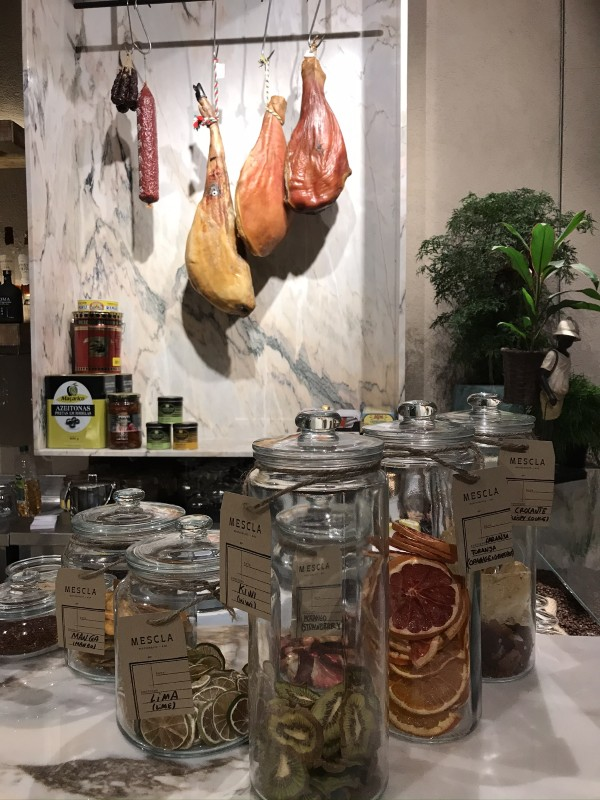
Mescla on Rua da Alfândega — bright, stylish, fusion-based, and genuinely fun. Go the tapas route to try more things (the tempura green beans and samosas were standouts). The bartender crafts cocktails based on your preferences rather than a menu — a small thing that makes for a memorable evening. We could have eaten here every night.
Food notes:
- Francesinha — Porto’s signature dish, a layered meat sandwich smothered in a spiced beer and tomato sauce, served with chips. Rich, heavy, completely specific to this city. Order one at least once.
- Bacalhau — salt cod, the national obsession, is prepared a different way seemingly everywhere you go.
- Port wine — obviously. But also try the white port with tonic, which is Porto’s version of a pre-dinner drink and considerably more refreshing than you’d expect.

Plan This Trip
Getting there: Fly into Porto (OPO) directly, if you can — it saves the Lisbon transit day.
Best time to go: April–June and September–October. Summer is hot and busy; shoulder season offers better prices and quieter sights. Porto’s Atlantic position means it can be grey and rainy in winter, though the city is beautiful in any weather.
How Porto fits into a Portugal trip: Porto works best at the start (or end) of a broader Portugal itinerary — fly in (or out), spend 3–4 days, add a Douro Valley or Guimarães day, then train south to Lisbon. The journey between the two cities is easy, and the contrast between them — Porto more intimate and slightly rough-edged, Lisbon grander and more Mediterranean — makes the combination stronger than either city alone.
Where to stay:
- Budget/social: Gallery Hostel
- Airbnb: Ribeira neighbourhood
Tours and activities: Douro Valley wine tours, port cellar tours, tuk-tuk city tours
Pin me for later
You might like these other Portugal posts: