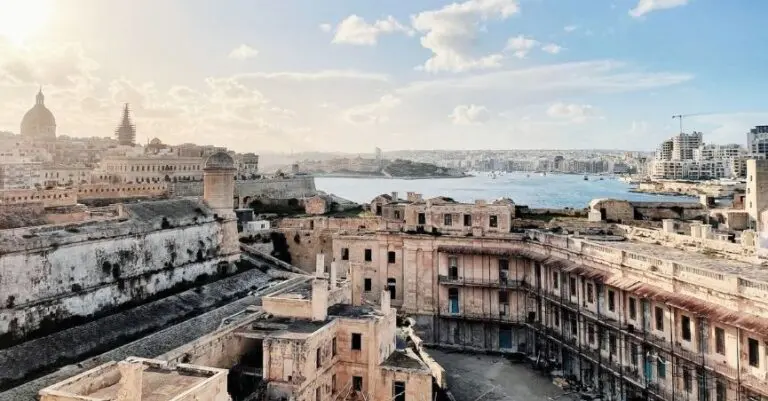
5 Day Trips from Valletta to Explore More of Malta
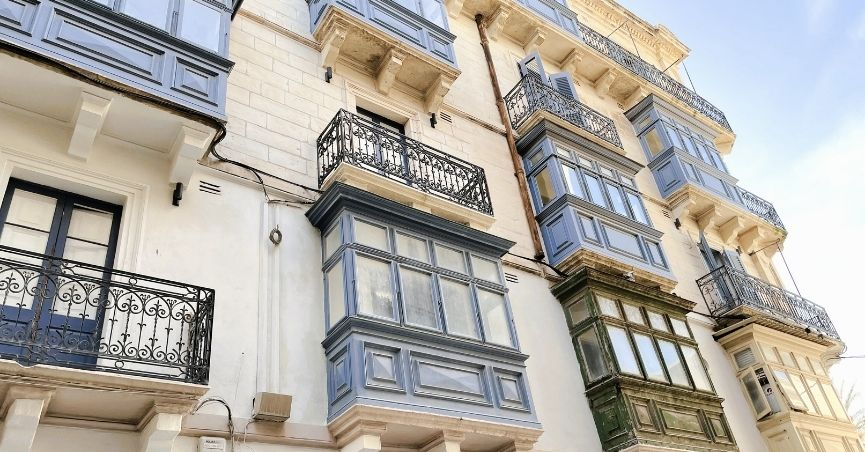
Malta’s compact size — just 27km long and 14km wide — is one of its great gifts to the traveller. From Valletta’s doorstep, you can reach medieval walled cities, ancient prehistoric temples, a working fishing village, dramatic clifftops, and fortified harbour towns. All without an overnight stay. Each day trip reveals a completely different face of the island.
These are the five I’d prioritise.
Day Trips Summary
Mdina & Rabat: for medieval history and panoramic views, at least a half day
The Three Cities: for maritime history and local atmosphere, at least a half day
Marsaxlokk & Delimara: for fishing village, coastal walk and swimming, a full day
Prehistoric Temples: for ancient history and UNESCO sites, half day
Dingli Cliffs: for dramatic coastline and sunset views, least a half day
1. Mdina & Rabat: The Silent City
There’s a reason Mdina is called the Silent City. When Malta’s capital moved to Valletta in the 16th century, Mdina’s population dwindled to a few hundred residents. The absence of traffic and tourist infrastructure that followed has preserved it in a way that medieval cities rarely are. Walking through its golden limestone alleyways today feels genuinely removed from modern life: Baroque doorways, horse-drawn carriages on narrow cobbled streets, the occasional resident going about their day in what amounts to a living museum.
Mdina sits on a hill above the surrounding countryside — approach from the bus and you’ll see the walled city rising ahead of you before you reach the gates. The views from the bastions across Malta’s rooftops and fields are some of the best on the island. Where Valletta is a methodically planned Renaissance grid, Mdina is an organically grown medieval maze. Getting slightly lost in it is the right approach.
Rabat surrounds Mdina’s walls and feels noticeably more lived-in — local shops, neighbourhood cafés, and significant archaeological sites including St. Paul’s Catacombs and the Domus Romana (a Roman town house with intact mosaic floors). The combination of both towns makes for a full, varied day.
How to get there: Bus 51, 52, or 53 from Valletta bus terminal — approximately 30–40 minutes. By car, around 25 minutes; free parking outside the Mdina walls. Tip: get off the bus a stop early to see the approach to the walled city from below.


2. The Three Cities: Birgu, Senglea & Cospicua
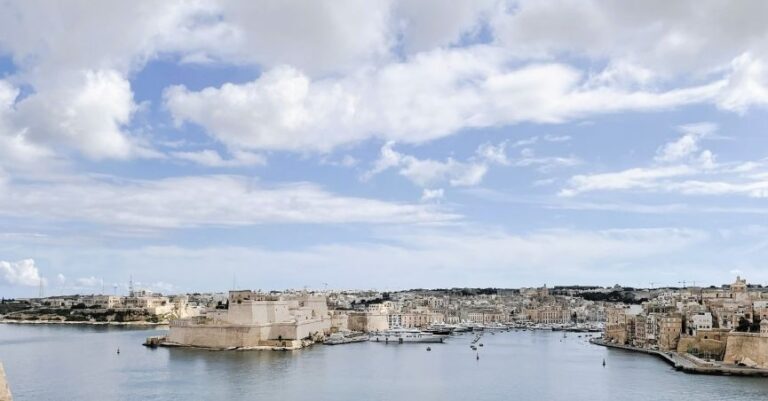
From the Upper Barrakka Gardens in Valletta, look across the Grand Harbour and you’ll see three peninsulas jutting into the water: Birgu (Vittoriosa), Senglea, and Cospicua — collectively known as the Three Cities. They’re visible from Valletta, close enough to feel familiar, and yet most visitors don’t make the crossing.
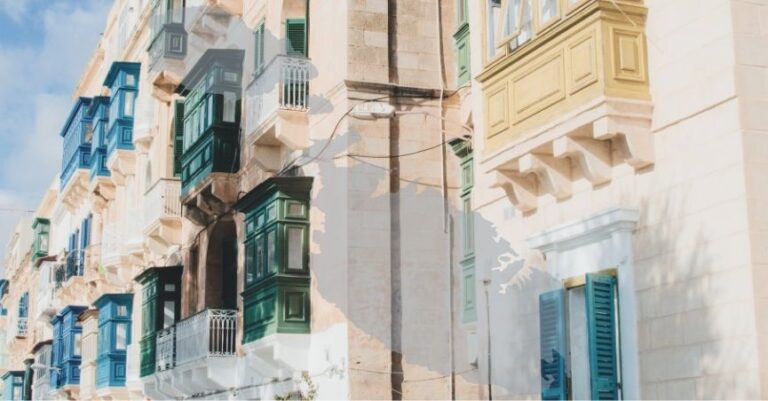
The Three Cities are older than Valletta itself. Birgu was the first base of the Knights of St. John when they arrived in Malta in 1530, and its streets carry that weight — narrow, winding, built for a different scale of life. Fort St. Angelo guards the tip of the Birgu peninsula; the Inquisitor’s Palace on the main street is one of the few intact Inquisition palaces in Europe. Senglea’s Gardjola Gardens at the peninsula’s tip offer one of the most photographed views of the Grand Harbour. And throughout all three, the traditional Maltese gallarija — enclosed wooden balconies painted in deep reds, greens, and yellows — project from the facades in a way that makes every street feel distinctly Maltese.
The atmosphere is noticeably quieter and more local than Valletta across the water. It’s the kind of place where residents sit on their doorsteps and children play in the streets — unhurried and authentic in a way that popular tourist destinations rarely manage.
How to get there: The ferry from Valletta’s Lower Barrakka waterfront runs approximately every 30 minutes — take the elevator down from the Upper Barrakka Gardens to the terminal. Round trip approximately €2. The crossing takes about 5 minutes and gives you a spectacular view of both Valletta and the Three Cities from the water.


3. Marsaxlokk & St. Peter’s Pool
Malta’s southeastern fishing village is one of the more quietly wonderful places on the island — and one that earns a full day rather than a rushed half-day stop.
The harbour at Marsaxlokk is home to the luzzu — traditional wooden fishing boats painted in vivid combinations of yellow, red, green, and blue, each one bearing the Eye of Osiris on the bow for protection at sea. On a sunny day the colours against the honey limestone and the blue water are almost too saturated to be real. The Sunday fish market along the waterfront is the most famous reason to visit — fresh swordfish, tuna, and octopus laid out by the fishermen who caught them — but the village is worth visiting any day of the week.
After the harbour, head south onto the Delimara Peninsula for one of Malta’s best coastal walks. The route to St. Peter’s Pool reveals why: a natural limestone swimming hole whose water shifts from deep royal blue in the centre to near-turquoise at the edges, surrounded by warm sandstone shelves that invite hours of sun-soaked idleness. It’s not a sandy beach — you swim here by dropping off the rock — but it’s one of the most beautiful places I found in Malta.
The full Delimara loop runs approximately 11km with 180m of elevation gain — about 4 hours including time at the pool.
How to get there: Bus 81 or 85 from Valletta — approximately 50 minutes. By car, around 25 minutes; free parking near the waterfront.
Full Marsaxlokk & Delimara post here


4. Ħal Saflieni Hypogeum & Tarxien Temples
Malta contains some of the oldest freestanding structures on Earth — temples built between 3600 and 2500 BCE, predating both Stonehenge and the Pyramids of Giza by centuries. For a small island, this is a remarkable thing to sit with.
The two most accessible from Valletta are a half-day trip to Paola, just a few kilometres south:
Ħal Saflieni Hypogeum is a subterranean necropolis carved entirely from limestone — three levels of chambers, passageways, and halls dating to around 4000 BCE. The acoustics in the central chamber are extraordinary; the red ochre wall paintings are still visible. Entry is strictly limited to protect the site — book well in advance, as tickets sell out weeks ahead.
Tarxien Temples, a short walk away, are the most elaborate of Malta’s temple complexes — multiple interconnected temples with carved stone altars, animal friezes, and the lower half of a colossal statue that once stood over two metres tall.
For a full day, combine with Ħaġar Qim and Mnajdra on the southern coast — two clifftop temple complexes with sweeping sea views that make the ancient stones feel even more remote and elemental.
How to get there: Bus 82 or 84 from Valletta to Paola for the Hypogeum and Tarxien — approximately 15–20 minutes. For Ħaġar Qim, bus 201 from Valletta takes approximately 45 minutes.
Full Malta Prehistoric Temples post here

5. Dingli Cliffs – the one I didn’t get to…
I’ll be honest: I didn’t make it to the Dingli Cliffs on my Malta visit. I’d planned a walk combining the cliffs with Ħaġar Qim — following the clifftop path between two of Malta’s most dramatic coastal landscapes — and ran out of time. It’s firmly at the top of the list for a return trip.
The Dingli Cliffs rise to approximately 253 metres above the Mediterranean — the highest point in Malta — and drop sheer to the sea below. On a clear day the tiny uninhabited island of Filfla is visible offshore. The clifftop path passes the small Chapel of St. Mary Magdalene, perched at the very edge, and looks out over terraced fields that run almost to the cliff’s brink before the land simply ends.
What makes Dingli particularly compelling is the contrast it offers with the rest of Malta. The island is predominantly flat, densely built, and intensely historical. The cliffs are sudden, wild, and open in a way that feels like a completely different country. Sunset here is reportedly one of the best in Malta — the light across the sea from that height, with nothing between you and the horizon.
The walk I’d do next time: Start at Ħaġar Qim temples on the southern coast, follow the coastal path westward along the clifftops to Dingli — approximately 8km one way. Return by bus or taxi to Valletta. A full day, properly earned.
How to get there: Bus 201 from Valletta toward Dingli — approximately 45–50 minutes. By car, around 30 minutes.

Planning Your Malta Day Trips
How many days do you need? Five nights based in Valletta gives you a day for each of these trips plus time to explore Valletta itself. Four nights is the comfortable minimum — prioritise the Three Cities (half day, easily combined with a Valletta morning) and Mdina as your non-negotiables.
Getting around without a car Malta’s bus network covers all five destinations. The Tallinja Card gives better value than single tickets if you’re riding multiple times per day.
Combining trips
- Mdina + Rabat are adjacent — natural pair
- Mdina, Rabat + Dingli Cliffs – you pass Mdina on your way to the cliffs
- Hypogeum + Tarxien Temples are a natural half-day in Paola
- Hypogeum, Tarxien Temples + Three Cities – same direction from Valletta
- Ħaġar Qim + Dingli Cliffs make the ideal full-day coastal walk
- Marsaxlokk + Delimara is already a full day on its own
Book the Hypogeum in advance Tickets are limited to 80 visitors per day and sell out weeks — sometimes months — ahead. Book at heritagemalta.mt as soon as your dates are confirmed. This is the one non-negotiable advance booking in Malta.
Pin this post for later…

You might also like to read…
10 Day Malta & Gozo Itinerary
A Day Trip to Three Cities: Vittoriosa (Birgu), Senglea & Cospicua
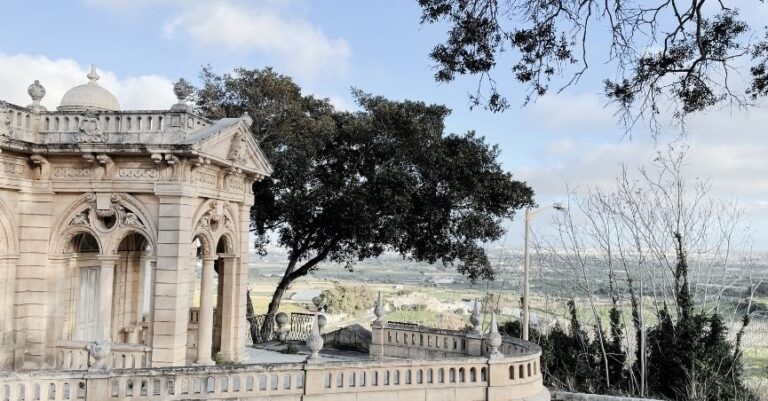
Mdina and Rabat Day Trip from Valletta
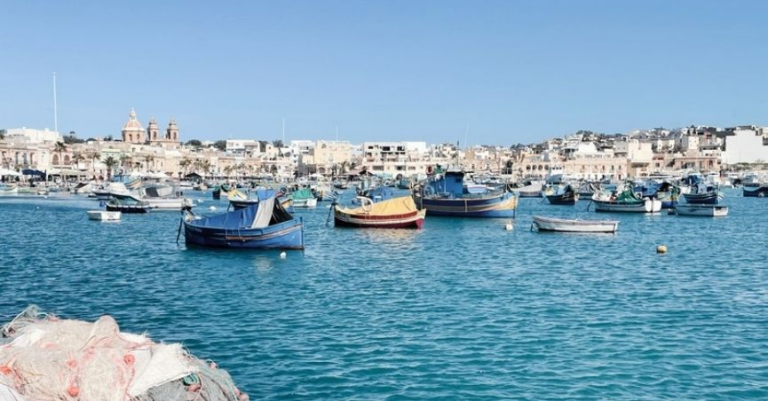
A Day Trip to Marsaxlokk Fishing Village
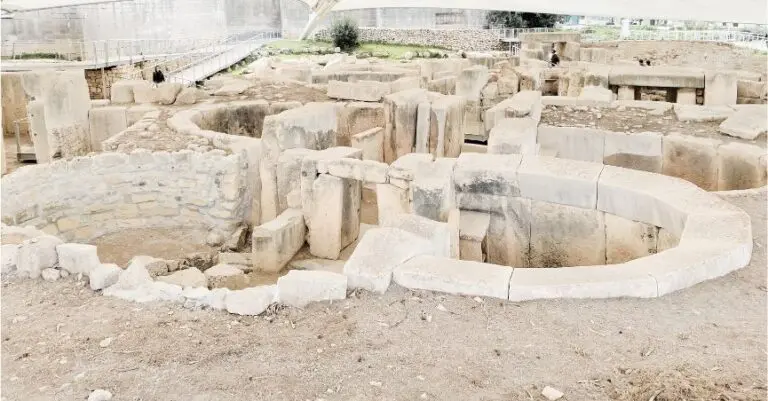
A Guide to Malta’s Prehistoric Temples: Ancient Sites to Visit
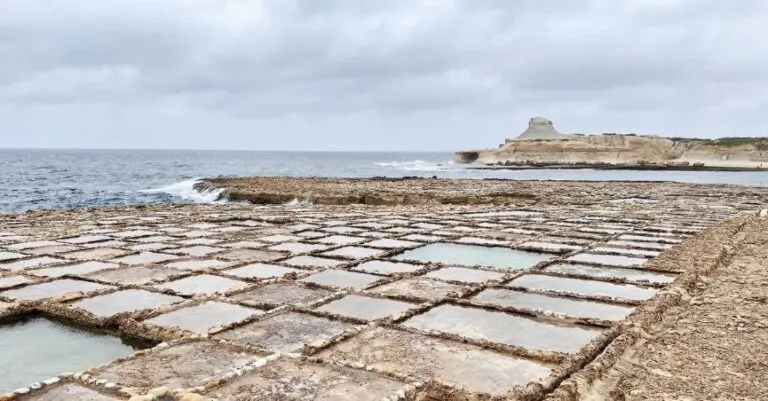
Visit Gozo Island: Exploring Malta’s Scenic Sister Island