Lisbon Itinerary Guide: 2, 3, 4, 5 and 6+ Days in Portugal’s Capital
If you’re planning a trip to Portugal, I really hope Lisbon is high on your list. The capital city is not only stunning but full of character, history, and seriously good food. Colourful tiled buildings tumble down hillsides, trams clatter through streets so narrow you’ll press yourself flat against the wall to let them pass, and neighbourhoods each seem to move to their own rhythm.
I’ve been to Lisbon twice — once in 2015, and again in early 2020. We were some of the last people to travel freely before everything closed for COVID. Looking back, that trip feels like a gift we didn’t know we were being given.
Both visits were different. Both were wonderful. Lisbon is one of those cities that doesn’t give you everything at once — it reveals itself slowly, neighbourhood by neighbourhood, viewpoint by viewpoint. I never once felt the “been there, seen that” flatness that can hit on a return trip. If anything, the second visit felt richer for the familiarity.
Lisbon is a city that rewards wandering — miradouros appear just as your legs are getting tired, meals stretch long past sunset, and a quick photo stop becomes an unplanned half hour. But it also works beautifully in short bursts. Whether you’re squeezing it into a whirlwind visit or settling in for a few slower days, this guide gives you options for 2 through 6+ days — each building on the last.
Lisbon at a glance
- Best for: Historic neighbourhoods, viewpoints, food lovers, relaxed city wandering
- Ideal stay: 3–4 days (2 if short on time; 5+ if adding day trips)
- Where to stay: Alfama (atmospheric, hilly, local feel) · Baixa/Chiado (central, walkable) · Príncipe Real (trendy, quieter nights)
- Vibe: Lively but laid-back, sun-washed, slightly chaotic in the best way
- Don’t miss: Alfama streets, São Jorge Castle, Belém, miradouros at sunset
- Good to know: The city is steep — mix walking with trams, Ubers, and elevators to save your legs
Lisbon Itinerary Options
Before You Arrive: Lisboa Card
Get one. The Lisboa Card gives you free or discounted entry to major sights and unlimited use of public transport — trams, metro, buses, and suburban trains, including the line to Belém and Sintra. We activated ours on arrival and used them constantly. Whether it saves you money depends on your itinerary, but the convenience alone is worth it. Buy online before you go or at the airport on arrival.
Getting Around Lisbon
Lisbon is hilly — and this shapes everything about how you move through it. A few practical notes:
- Walk when you can — the city rewards it, and some of the best moments happen between destinations rather than at them. But pace yourself. Comfortable shoes with grip are non-negotiable on cobblestones.
- Trams for atmosphere and practicality — Tram 28 through Alfama is iconic and worth riding. Historic trams also run other useful routes. They get crowded in peak season; watch your belongings.
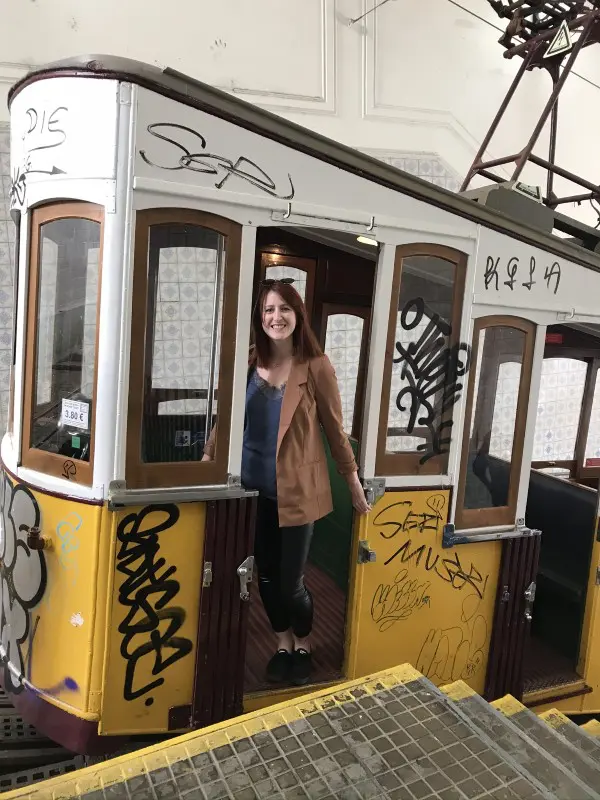
- Elevators and funiculars — the Santa Justa Elevator and the Bica, Glória, and Lavra funiculars exist specifically because the hills are steep. Use them freely and without guilt. (Full dedicated post on Lisbon’s trams, elevators, and funiculars coming soon [link when published].)
- Metro and suburban trains — efficient, affordable, and essential for reaching Belém and day trip destinations. All covered by the Lisboa Card.
- Uber — widely available and inexpensive by most cities’ standards. A legitimate option for the steeper climbs at the end of a long day.
Lisbon in 2 Days
Day 1: Alfama, Baixa, and Chiado
Morning
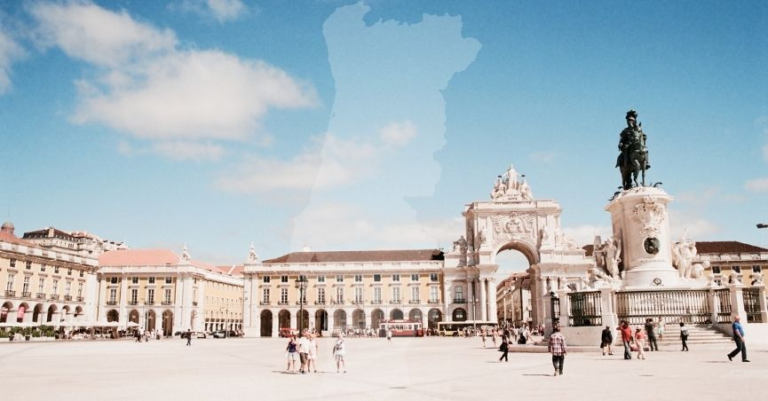
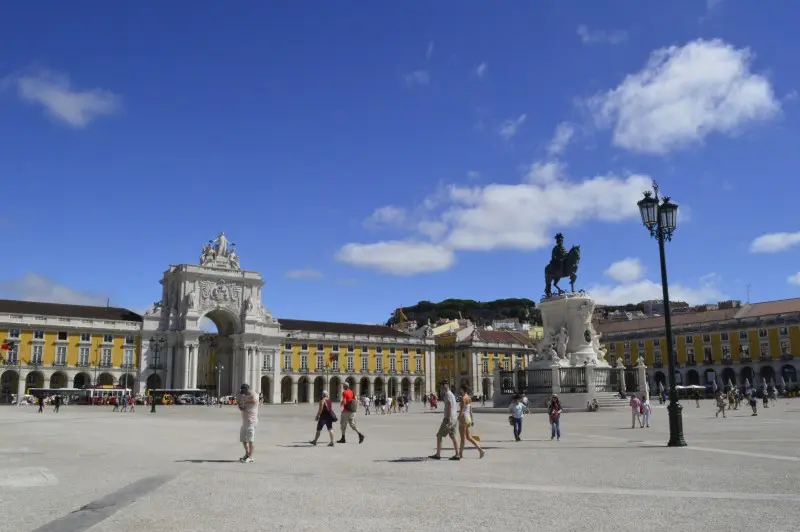
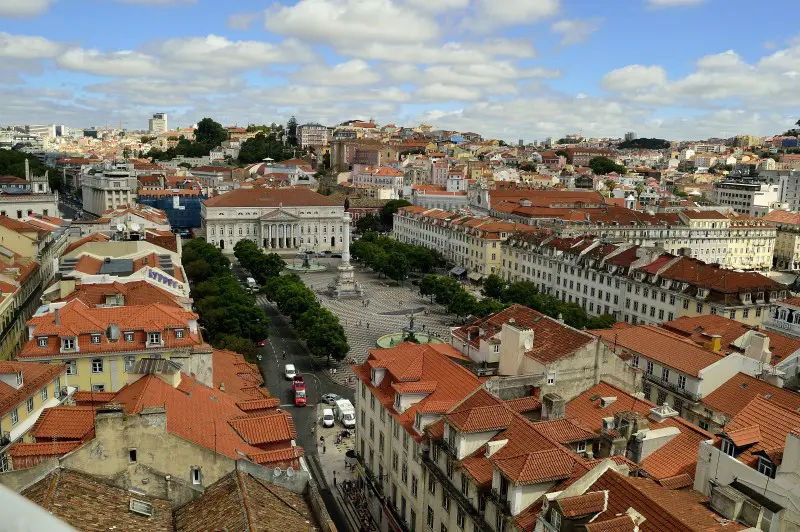
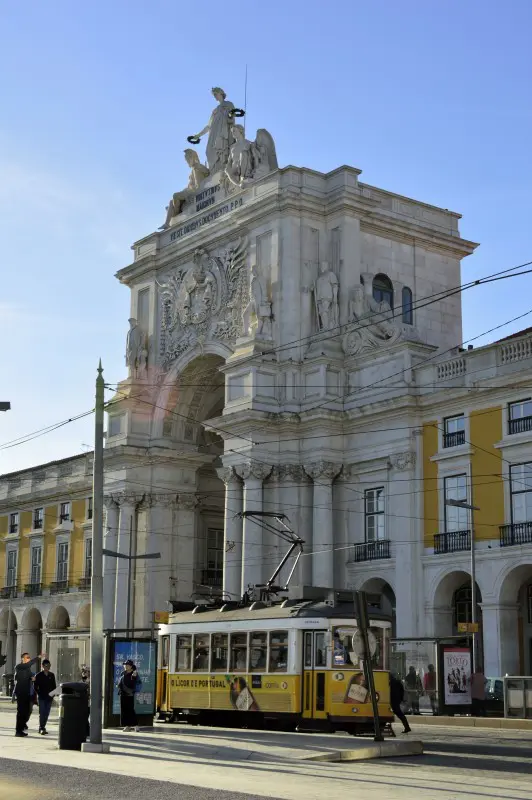
Start early at Praça do Comércio — Lisbon’s grand riverside square, flanked by ochre-yellow arcaded buildings and opening directly onto the Tagus. Grab a coffee and a pastel de nata at one of the café terraces and let the scale of it settle. Walk under the Rua Augusta Arch and up Rua Augusta, Lisbon’s main pedestrian street, until you reach the stop for Tram 28.
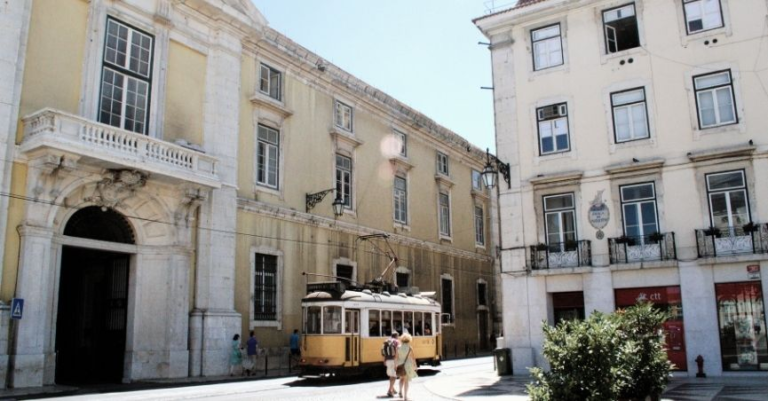
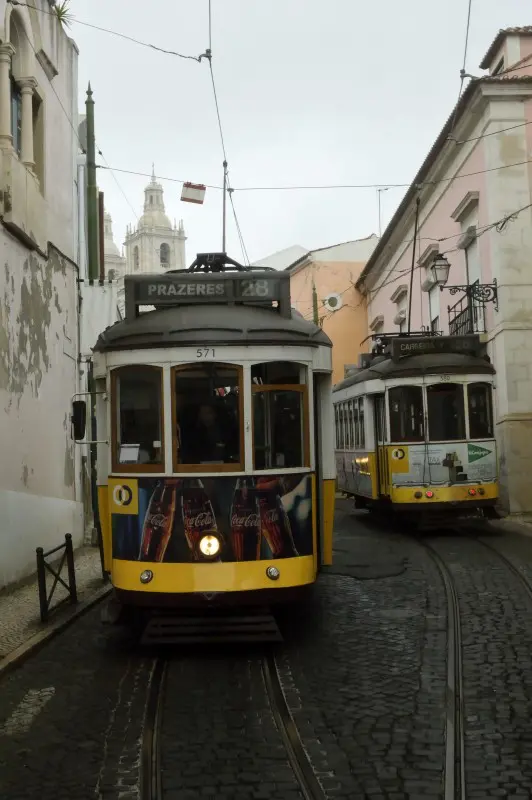
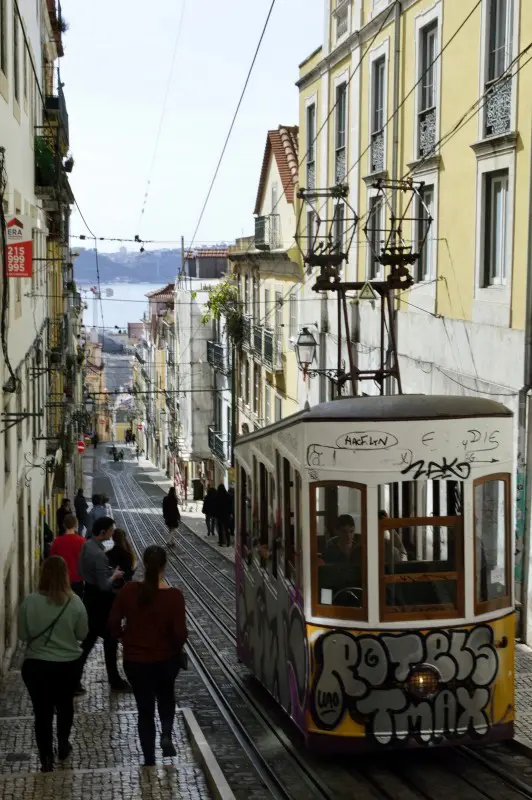
Tram 28 is iconic for good reason — it clatters through the winding lanes of Alfama in a vintage yellow carriage, on streets so narrow the tram seems to fill them. The first time you watch it take a corner that looks physically impossible, you’ll understand why people photograph it. On busy days, it’s packed with tourists; go early or off-season, and it feels more like actual city transport. Make sure your tram is heading toward Martim Moniz.
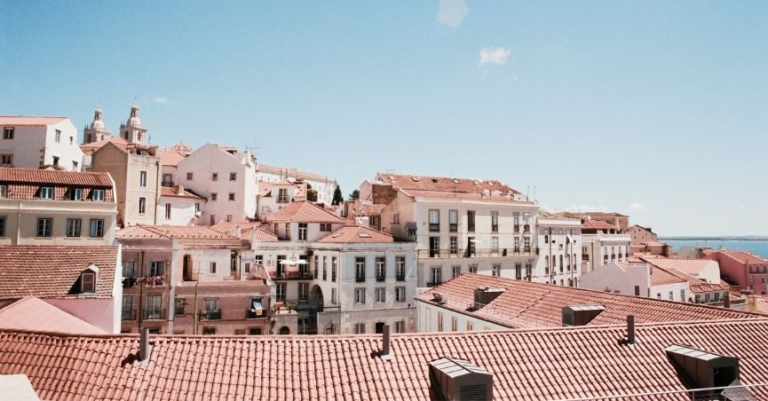
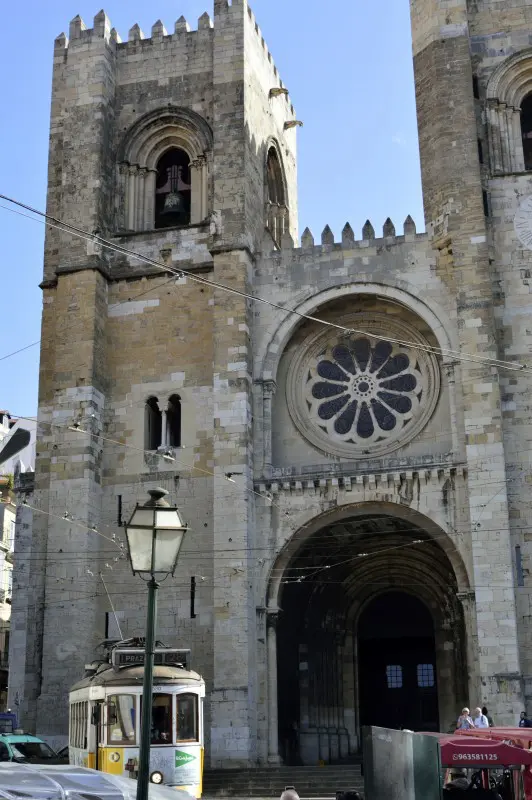
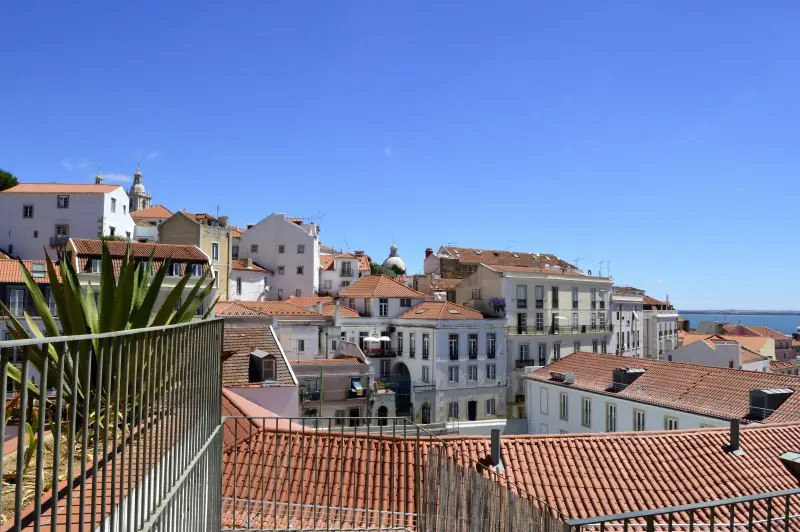
Along the route, you’ll pass the Lisbon Cathedral (Sé), three miradouros (viewpoints), and Castelo de São Jorge. You can hop off at any stop, explore on foot, and catch the next tram. I’d recommend getting off and wandering Alfama properly rather than staying on — the streets reward aimlessness. Turn a corner and catch a flash of shimmery blue water between whitewashed buildings. Peer down an alley strung with laundry swaying between buildings. Notice a woman sitting on her balcony, watching the street below with the particular patience of someone who has watched it for decades. Nearly trip on the cobblestones. This is Alfama.
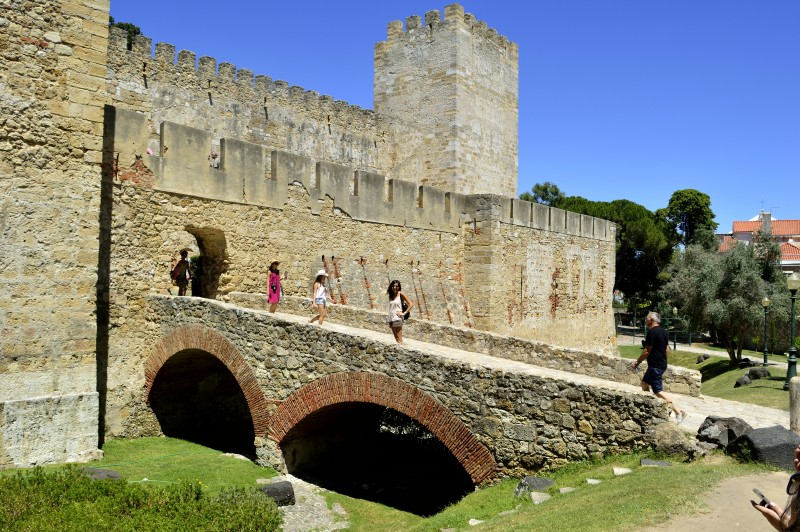
Make your way up to Castelo de São Jorge for panoramic views across the city — the castle sits high on the hill, and the outlook is genuinely spectacular.

Afternoon
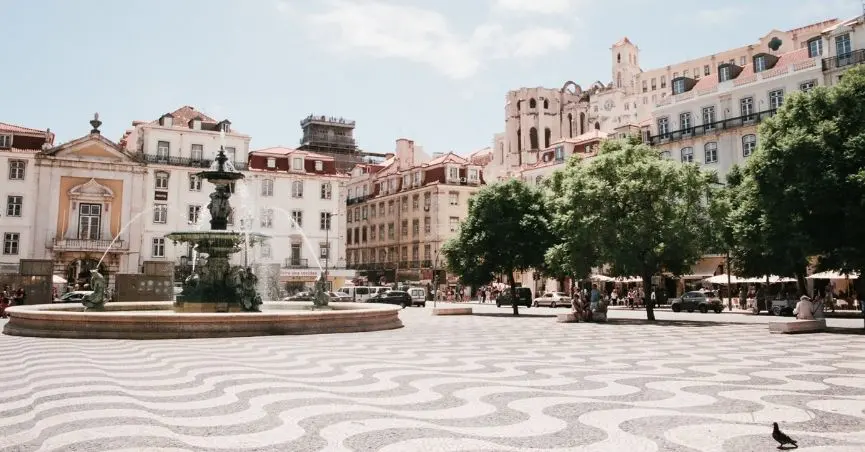
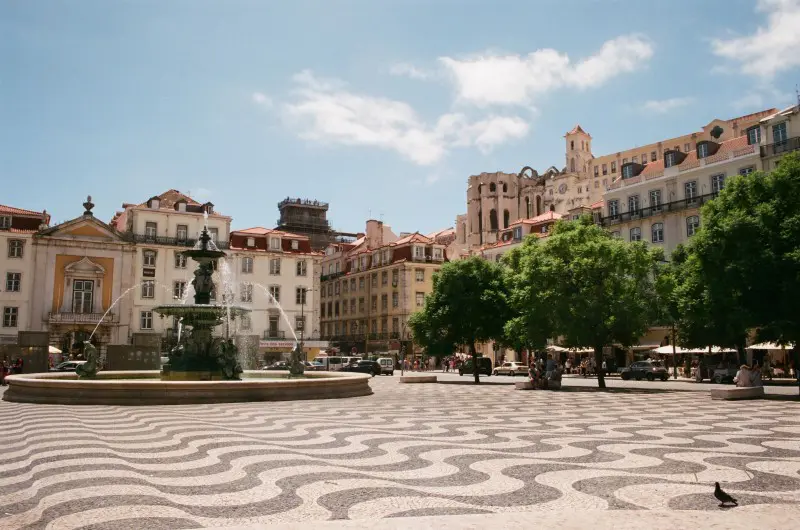
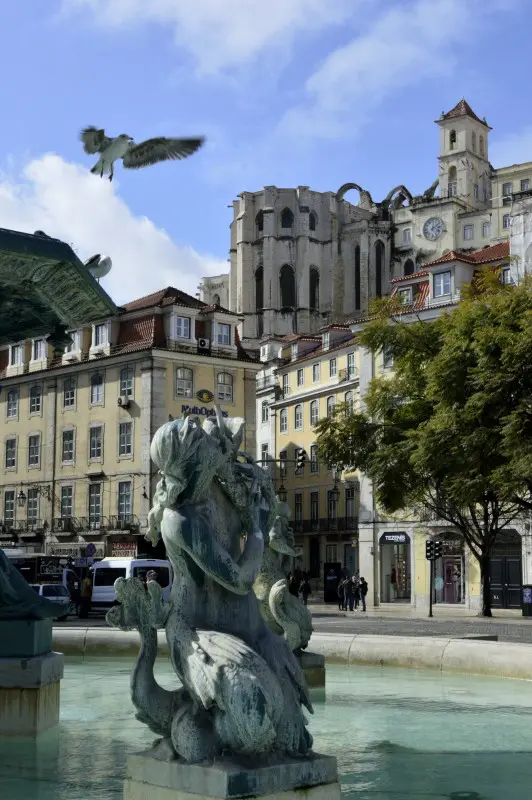
From the castle, head back down toward Rossio Square, with its distinctive wave-pattern tile paving, and a stop at Fábrica da Nata for another pastel de nata (this is not optional).
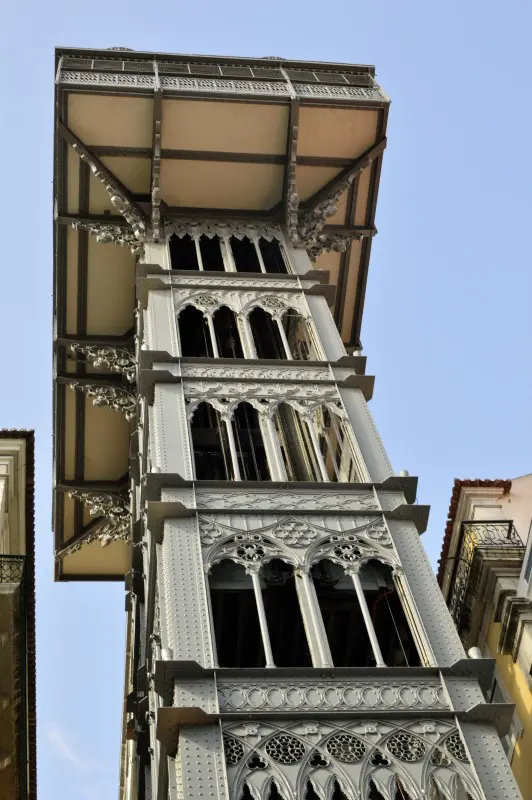
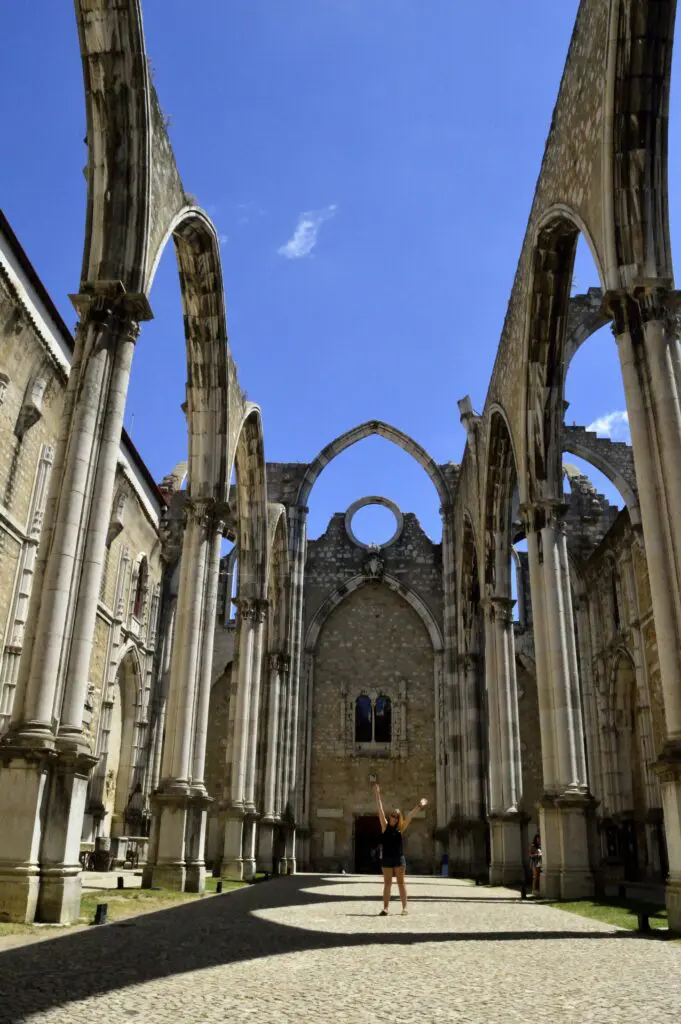
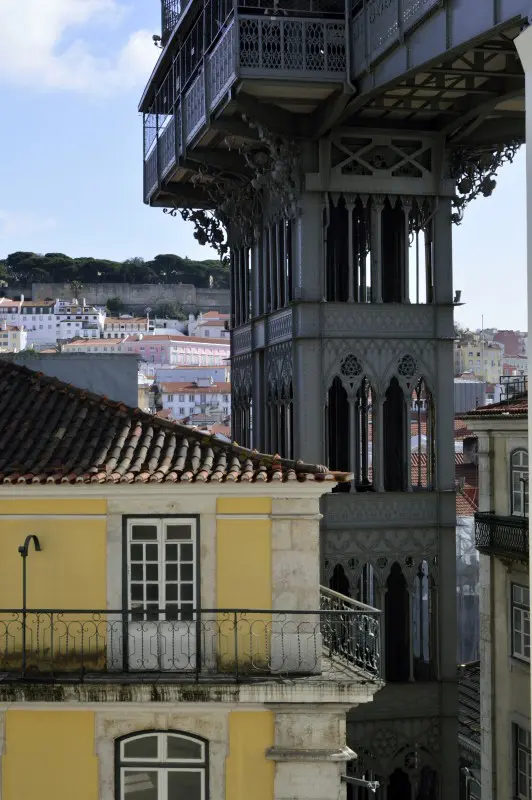
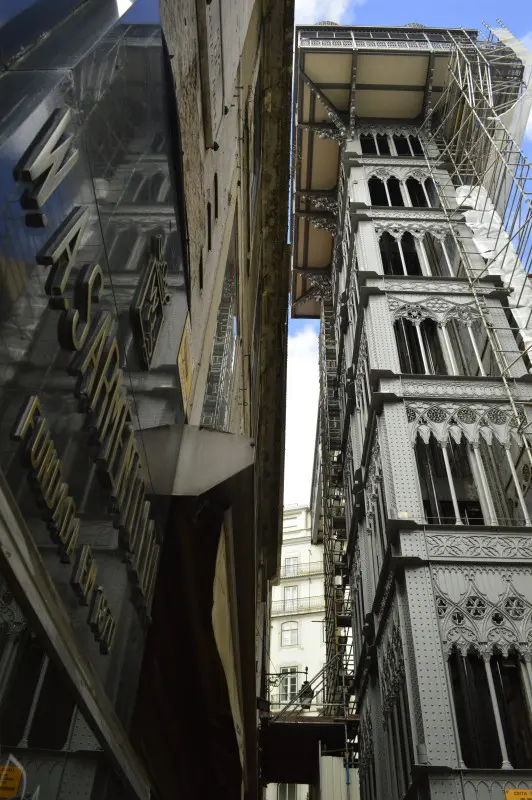
Next: the Santa Justa Elevator — a wrought-iron Neo-Gothic lift designed by a student of Gustave Eiffel, connecting the lower Baixa with the higher Chiado neighbourhood. The elevator itself is not the main event; the platform at the top, looking out over Lisbon’s tiled rooftops and red chimneys toward the water, is. Then walk across to the Carmo Convent — a medieval convent ruined by the 1755 earthquake and left, deliberately, without a roof. Standing inside and looking up through the Gothic arches into the open sky is one of those experiences that’s genuinely hard to describe. Awe-inspiring is the right word. The city decided, apparently in the Romantic era, that it looked better this way. They were right.
Browse Livraria Bertrand in Chiado — the oldest operating bookshop in the world, still selling books since 1732, with that particular warm-wood-and-paper atmosphere of a great old bookshop.
Ride the Bica Funicular down toward the waterfront.
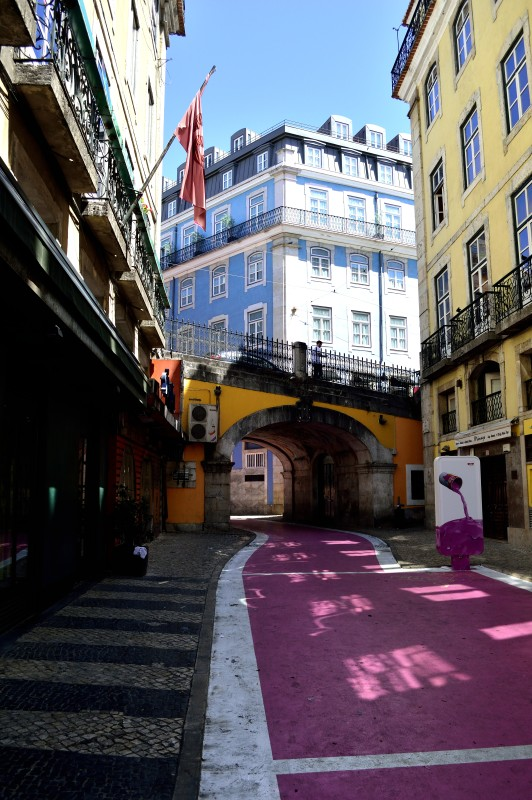
End the evening on Rua Nova do Carvalho — the “Pink Street,” painted in vivid pink and lined with cocktail bars, restaurants, and nightlife. If you can, book a fado performance for the evening — the traditional Portuguese music form, mournful and beautiful and completely specific to this city, is best heard live in a small Alfama restaurant rather than a large tourist venue. Ask your accommodation for a recommendation.


Day 2: Belém
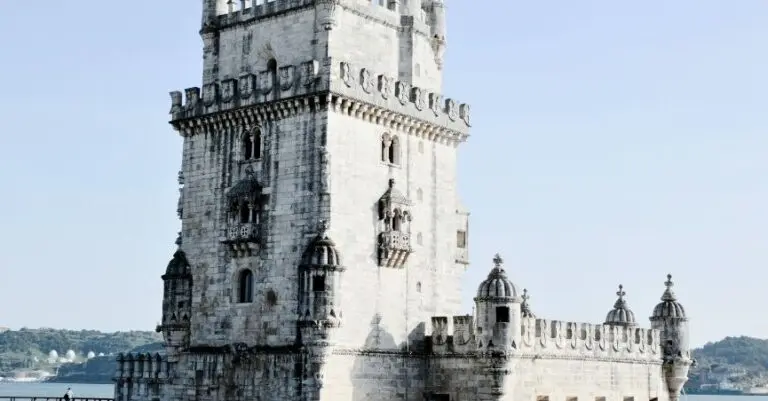
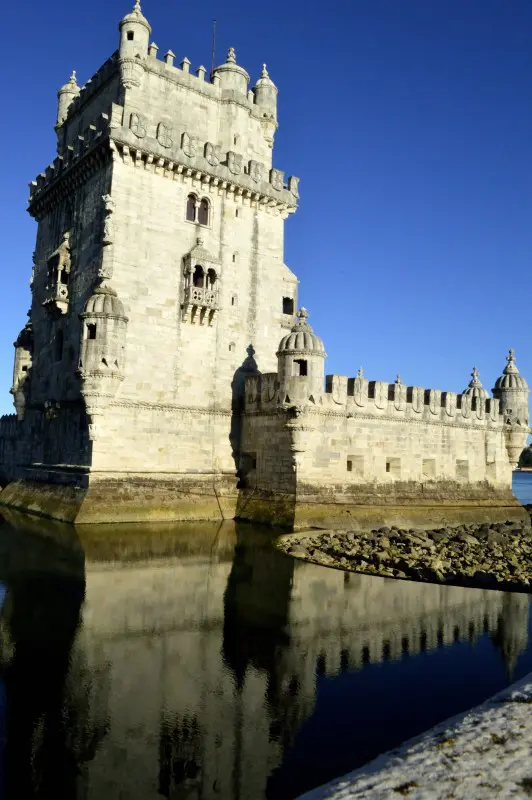
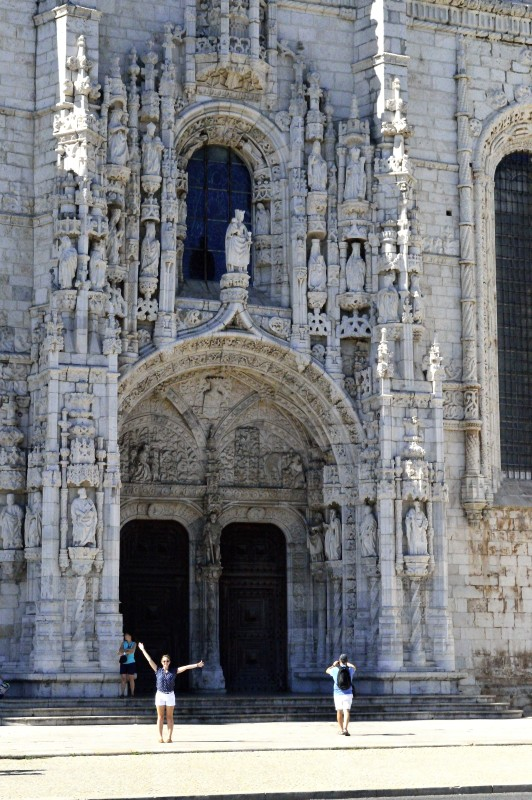
Dedicate the day to Belem, a historic riverside neighbourhood, 9 km west of downtown Lisbon. Here is our detailed post on a day trip out there from Lisbon.

3 Days in Lisbon
In three days, you can slow the pace and explore by neighbourhood properly.
Day 1 – Alfama
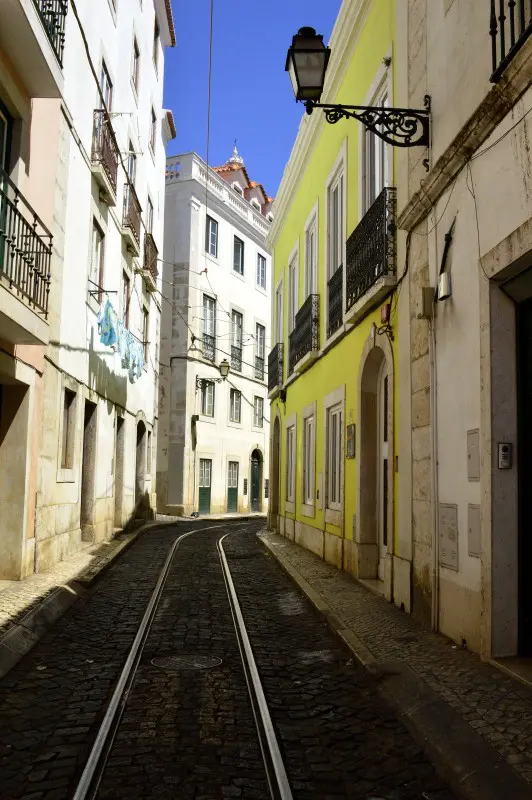
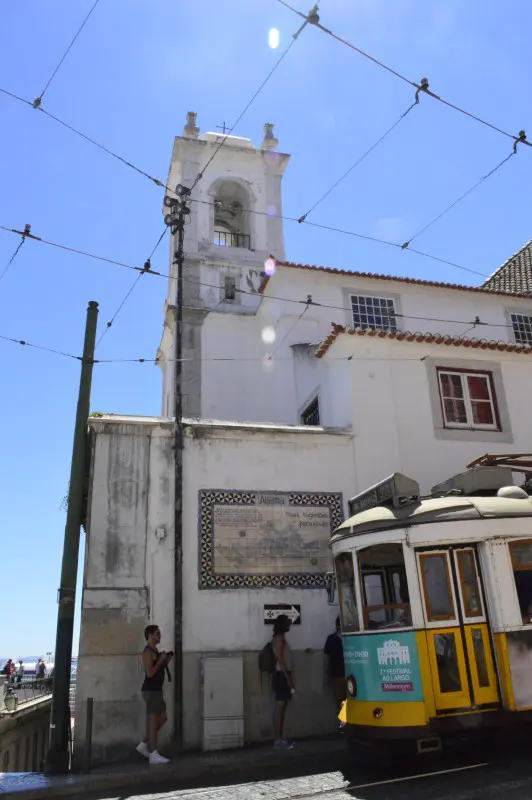
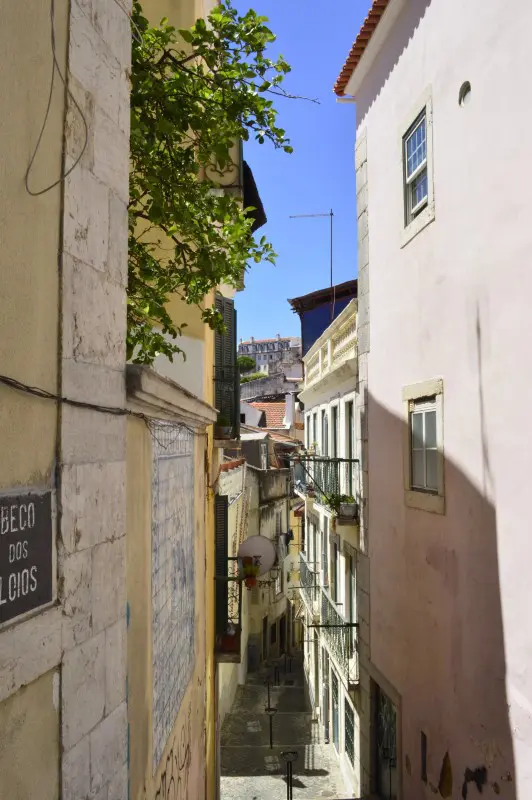
Start at Martim Moniz and take Tram 28, but get off at the Cathedral and explore Alfama entirely on foot. Visit the Museum of Fado if the music has caught your interest — it traces the history of the genre with real care. Work your way up to Miradouro Santa Luzia, then continue to the castle.
Enjoy a long, leisurely lunch with a view — Alfama has small local restaurants tucked into its streets that are worth seeking out over the tourist-facing places near the main sights.
If you still have some time, consider booking a tour to visit Núcleo Arqueológico da Rua dos Correeiros – located under a bank, with layers of ruins going all the way back to the Phoenicians.
In the evening, head back toward Praça do Comércio for the golden-hour light on the square, then to Vini Portugal — a wine tasting room on the square where you can work through a selection of Portuguese wines with knowledgeable staff. Vinho Verde, Alentejo reds, Dão whites — Portugal’s wine regions are underrated, and this is a good place to start exploring them.
Day 2 – Belém
Dedicate to Belém (as above).
Day 3 – Baixa & Barrio Alto
Start at Rossio Square, grab something from Fábrica da Nata, then take the Santa Justa Elevator and visit Carmo Convent as described in the 2-day itinerary. Browse Livraria Bertrand, the world’s oldest continuously operating bookstore, founded in 1732.
For lunch, find your way to one of Chiado’s smaller streets and pop in somewhere that looks good. Ask your accommodation for a current recommendation, or wander until something looks right.
Relax at Praça Luís de Camões — a lovely square in Chiado, good for people-watching. If you need another egg tart (you do), Manteigaria on this square is many people’s preferred option, and the rivalry with Fábrica da Nata is worth participating in.
If you are interested, visit the Pharmacy Museum, which highlights global medical development from Ancient Egypt to vaccination & a space shuttle’s portable pharmacy.
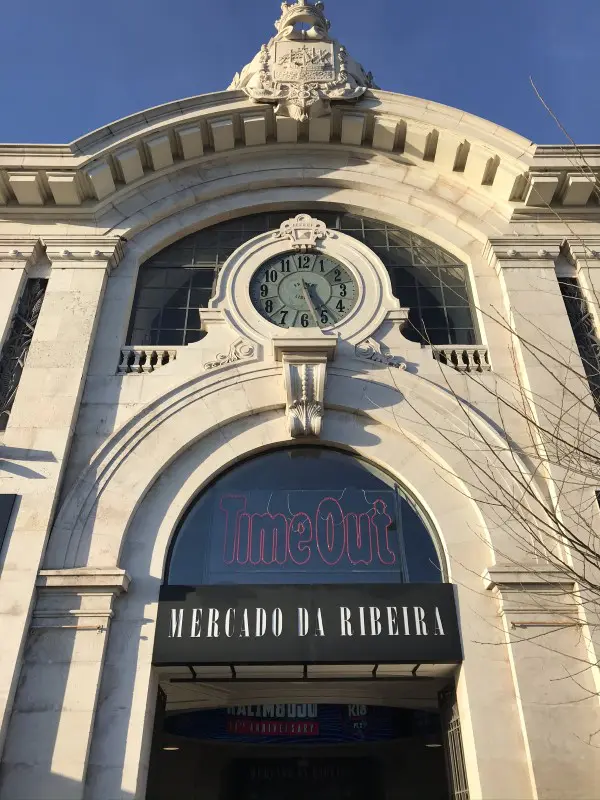
Take the Bica Funicular down and finish the evening on Pink Street or at Time Out Market.

4 days in Lisbon
Follow the 3-day itinerary above and add a one-day trip out of the city.
Day Trip Ideas from Lisbon
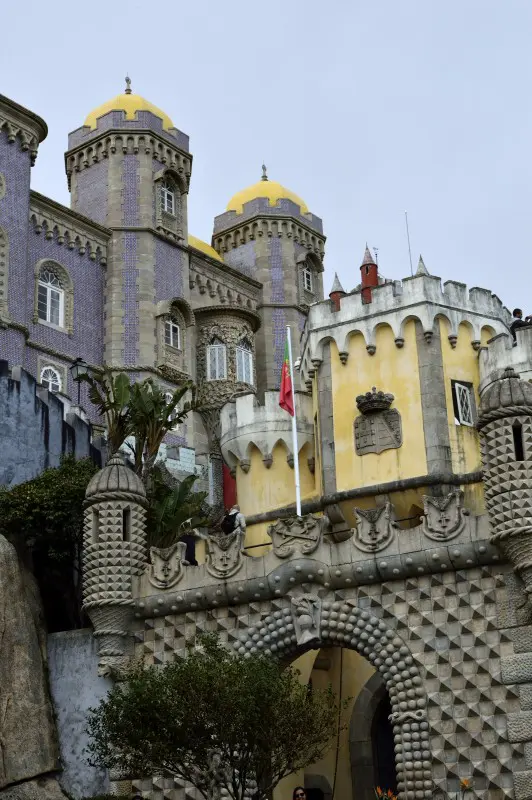
- Sintra — a dreamy, palace-studded hill town 40 minutes from Lisbon by train. Colourful palaces, forested walking trails, and pastries that rival anything in the capital. (Full Sintra guide here)
- Cascais — a charming coastal town on the Estoril line, easy by train, with good seafood and a relaxed beach-town atmosphere.
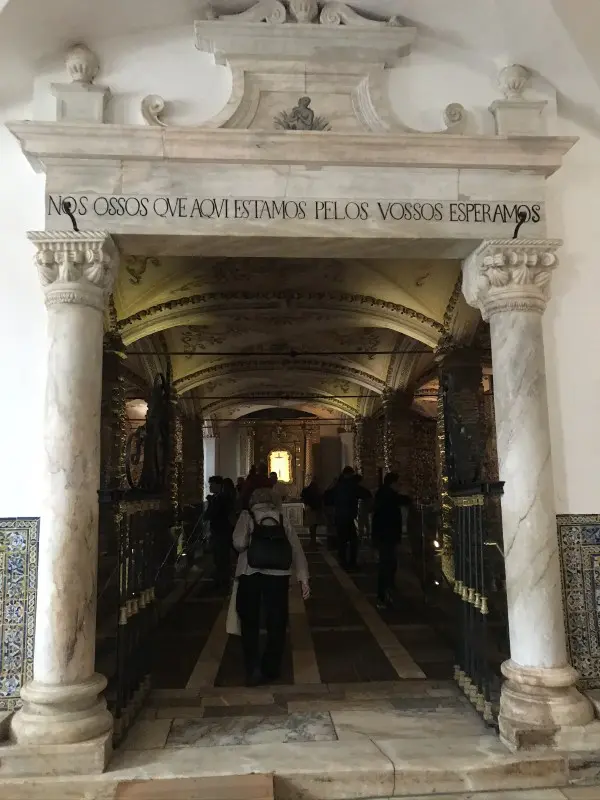
- Évora — a UNESCO-listed medieval city with a Roman temple, a cathedral you can climb for rooftop views, and a chapel made entirely of human bones. Not to be missed. (Full Evora guide here)
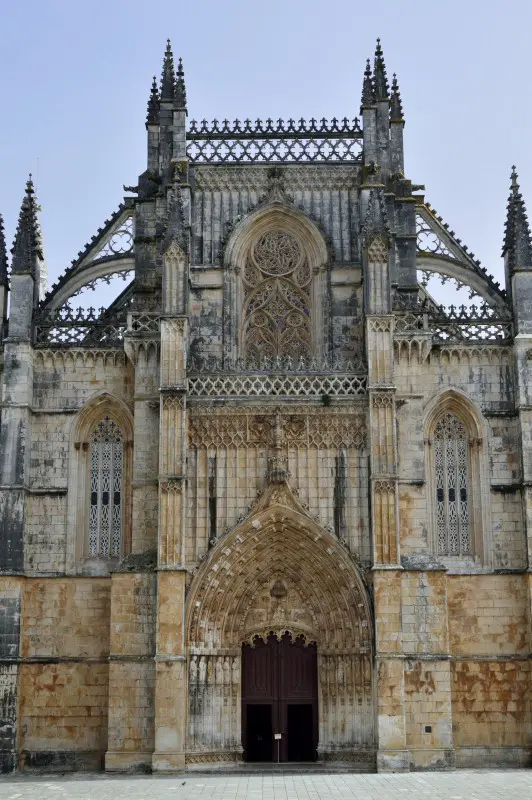
- Fátima, Batalha, Nazaré & Óbidos — an organized day tour hitting several incredible stops: a major Catholic pilgrimage site, a spectacular Gothic monastery, dramatic ocean cliffs, and a walled medieval village.
- Tomar & Constância — perfect for fans of the Knights Templar or anyone who loves genuinely off-the-beaten-path stories.
5 Days in Lisbon
Use the 3-day itinerary as your base, add one full-day trip, and use Day 5 to stay local with experiences you haven’t had time for yet:
- Take a cooking or Pastel de Nata baking class
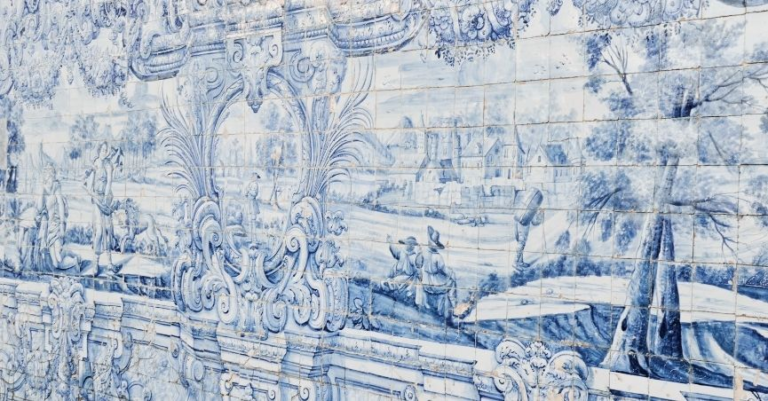
- Try painting your own ceramic tiles (Azulejos).
- Join a street art or wine & food tour.
- Visit quirky museums like the Pharmacy Museum, Lisbon Story Centre, or Fado Museum.
- End your day with a Tagus River boat cruise.
6+ Days in Lisbon
Now we’re talking. Spread the 3-day city itinerary over 4 days at a genuinely relaxed pace. Longer lunches, more miradouro time, wandering without an agenda. Add two day trips. Go back to the neighbourhoods you liked the first time. Find a café you want to return to.
One practical note: avoid back-to-back day trips. Lisbon involves a lot of hills and cobblestones, and by Day 3, your legs will already be making their feelings known. Build in a slower day between excursions.
Food in Lisbon: What to Eat and Where
Food is woven through everything above, but a few things are worth calling out specifically:
- Pastéis de nata — the custard tart that has become Portugal’s most exported food product. Eat them warm, dusted with cinnamon, as often as possible. The debate between Pastéis de Belém (the original), Fábrica da Nata, and Manteigaria is ongoing, and you should participate in it personally.
- Seafood — bacalhau (salt cod, prepared in reportedly 365 different ways), grilled sardines, percebes (barnacles, surprisingly good), and fresh fish simply cooked. Lisbon is a port city, and the seafood reflects it.
- Bifanas — a pork sandwich in a roll, with mustard, simple and perfect, usually eaten standing up at a counter.
- Vinho Verde — the light, slightly sparkling young white wine from northern Portugal. Crisp, low in alcohol, endlessly drinkable in the Lisbon heat. Order it everywhere.
- Time Out Market — for an overview of the city’s food scene in one sitting. Not a replacement for neighbourhood restaurants, but a genuinely excellent introduction. If you want a specific recommendation rather than just wandering the stalls, head to João Rodrigues Cozinha de Chef — one of the market’s more celebrated names.
- The Corkscrew Wine Bar is not to be missed — this is where we had steaks cooked on a portable grill wheeled right to our table, the whole meal becoming a performance. Exceptional food and a genuinely fun evening.
- Café Gelo is a historic Lisbon institution — one of those places that feels like it’s been part of the city’s fabric forever, worth stopping in for the atmosphere as much as anything else.
- In the Chiado area, Carmo Rooftop along Travessa Dom Pedro de Meneses is a lovely morning stop — a cute terrace with a view, good for breakfast sandwiches, yogurt, and coffee before a day of sightseeing.
Final Thoughts
Lisbon adapts to the time you give it. A two-day visit delivers highlights. Three feels balanced. Four adds time to slow down and enjoy each stop a little more. Five lets you settle into the city’s rhythm rather than just passing through it.
Whatever time you have, Lisbon will use it well. It’s a city that lingers — in the sound of fado drifting from a doorway in Alfama, in the particular blue of azulejo tiles catching afternoon light, in the memory of a great meal eaten at a table beside a grill on a narrow street. I’ve been twice, and I’m already thinking about going back.
Pin me for later
You might like these other Iberian Peninsula posts: