Antwerp Itinerary: Things to Do & Places to Visit
Antwerp is the kind of city that doesn’t try to impress you — and somehow ends up doing exactly that.
It’s Belgium’s largest port, a global diamond hub, and one of Europe’s fashion capitals. It’s industrial and creative, historic and lived-in, with a slightly rough-around-the-edges energy that feels more like a real working city than a polished tourist destination. Walking through it, you get that particular feeling: people actually live here, and it seems like a genuinely cool place to be.
I came to Antwerp as the first stop of a solo leg through Belgium — splitting off from Mark after a week in Amsterdam. Antwerp was the right place to start. Energetic enough to feel like an arrival, compact enough not to be overwhelming, and full of the kind of contrast that keeps a solo traveller engaged: a diamond museum next to a chocolate factory next to a cathedral next to a riverfront that’s been reshaping the city’s identity for six centuries. Two nights is enough to get a feel for it. You’ll probably want more though.
Antwerp Summary
Location: Antwerp is northeast of Brussels near the Dutch border
Highlights: Central Station, Grote Markt, DIVA Museum, Chocolate Nation, Scheldt riverfront
Best for: Architecture lovers, curious wanderers, city culture, chocolate, fashion
Vibe: Cosmopolitan but lived-in — more working city than polished postcard
Skip if: You’re only looking for medieval fairy-tale towns — that’s Ghent and Bruges
Good to know: English widely spoken, easy public transport, very walkable
In this post
Arriving: The Train Station
I didn’t know anything about Antwerp Central Station before I arrived. That turned out to be a gift.
I walked off the train, looked up, and stopped moving entirely.
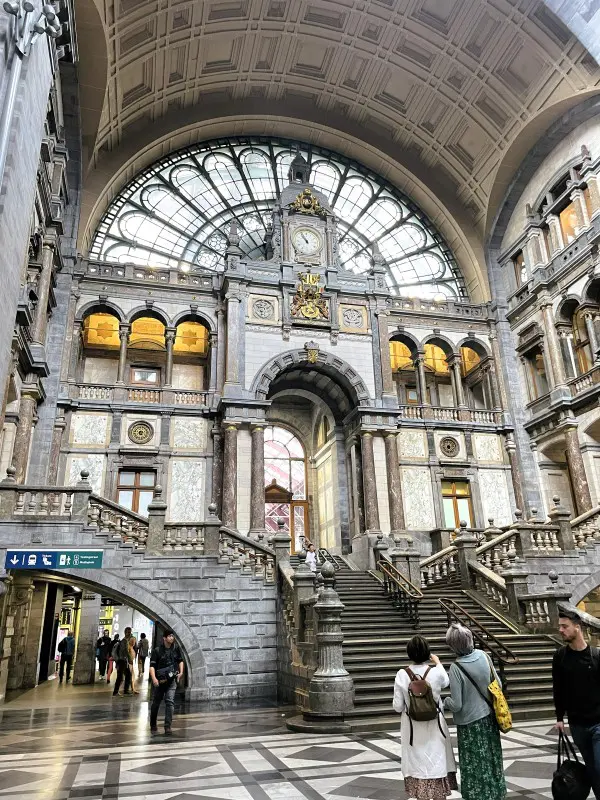
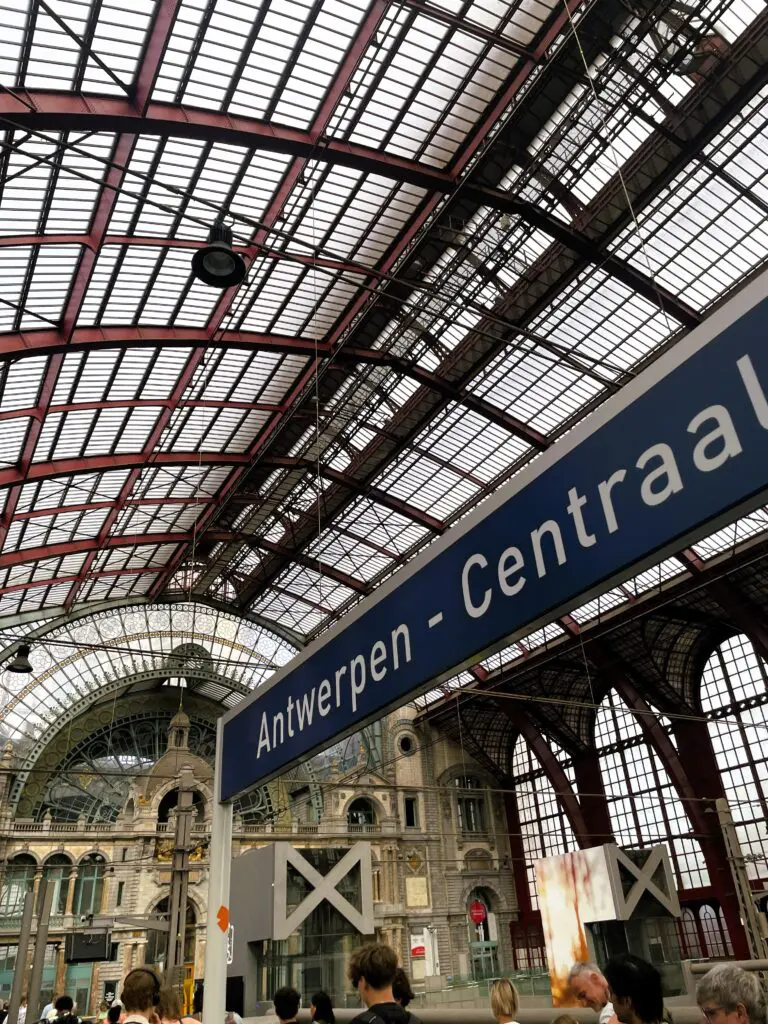
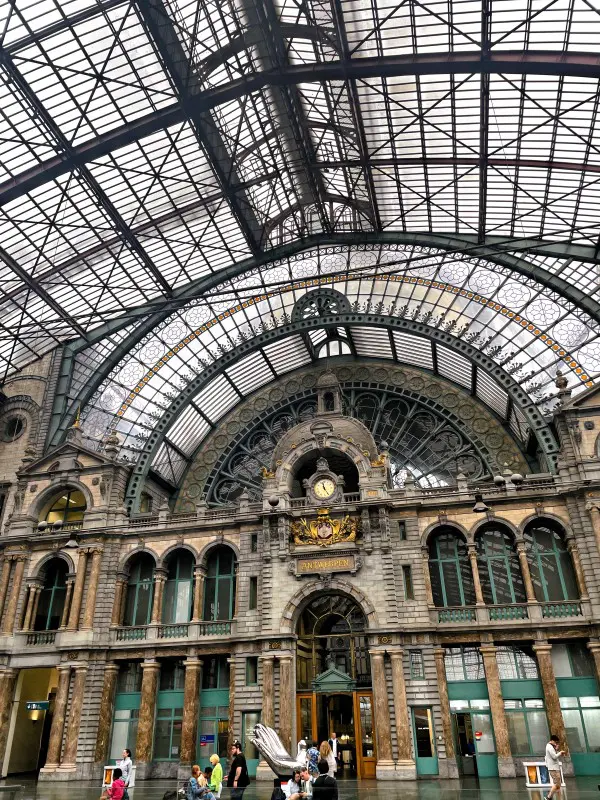
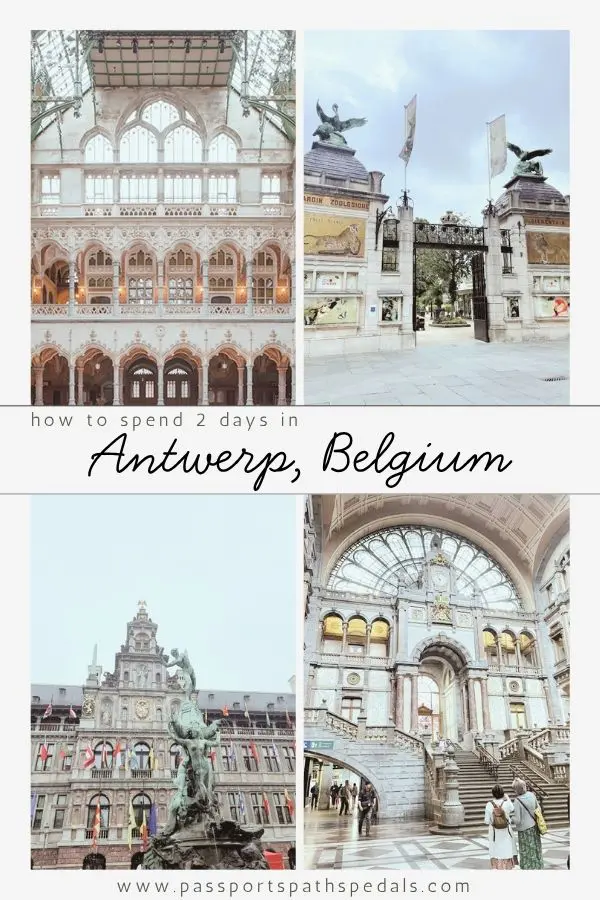
The station is, without question, one of the most extraordinary train stations in Europe — possibly the most beautiful I’ve been in. The main hall is cathedral-scale: a soaring dome, ornate stonework, gilded details, grand arches layered above the platforms. It was built between 1895 and 1905 and nicknamed the “Railway Cathedral” — a name that makes complete sense the moment you see it. I walked through it expecting to pass through and instead spent far longer than I normally would in a train station, simply looking. It felt like moving through a palace that happened to also run trains.
If you’re arriving by train — and you should, it’s the easiest way in — give yourself time before you head to your accommodation. The station is a sight in its own right, and arriving without expecting it is the best possible version of the experience.
Tip: the upper levels of the station are worth exploring — the multi-level platform structure visible from the main hall is impressive engineering as much as it is architecture.
Your 2-Day Antwerp Itinerary
Antwerp clusters well. The station side gives you the zoo and the city park before you’ve even properly started; the old town gives you history, museums, and the riverfront within a compact walk of each other. Here’s how I’d string it together to avoid backtracking- it’s not the only way to do it, but it keeps you moving in one direction instead of crossing back over your own steps too much.
Day 1
Zoo Antwerpen → Het Steen → Grote Markt → Cathedral of Our Lady → Handelsbeurs → DIVA Museum → Scheldt riverfront (evening)
Start right at the station (make sure to check it out if you haven’t already); the zoo is a two-minute walk from Antwerp Central. From there, bline towards the water to visit Het Steen first, as this gives some historical footing. Then cluster the historic core with the Grote Markt, the Cathedral, and Handelsbeurs, all within a few minutes of each other. DIVA in the afternoon, and head back to the riverfront for early evening when the light does its thing.
Day 2
Stadspark or Den Botaniek → MoMu or Plantin-Moretus Museum → Meir Palace & Meir shopping street → Chocolate Nation → tram to MAS
Start with a morning stroll through one of the parks, spend the late morning at the MoMu Fashion Museum or, for more history, the Plantin-Moretus Museum. Wander through the Meir shopping street and wonder at the Meir Palace. Indulge in Belgian chocolate at Chocolate Nation. Finish at MAS in the port district, and time it for late afternoon so you catch the free rooftop view as the sun starts to drop.
The Scheldt River & Port Area
Antwerp’s relationship with the Scheldt River is the reason the city exists and the reason it became powerful. Walking the riverfront in the evening gives you a different version of the city — quieter, more contemplative, the industrial port infrastructure visible in the distance while the old city rises behind you.
It’s both things simultaneously: industrial and peaceful. The working port — one of the largest in Europe — is present but not intrusive. The river is wide and slow, and the light in September was the particular low golden quality that makes everything look considered. A good walk for clearing your head between museums.
Het Steen
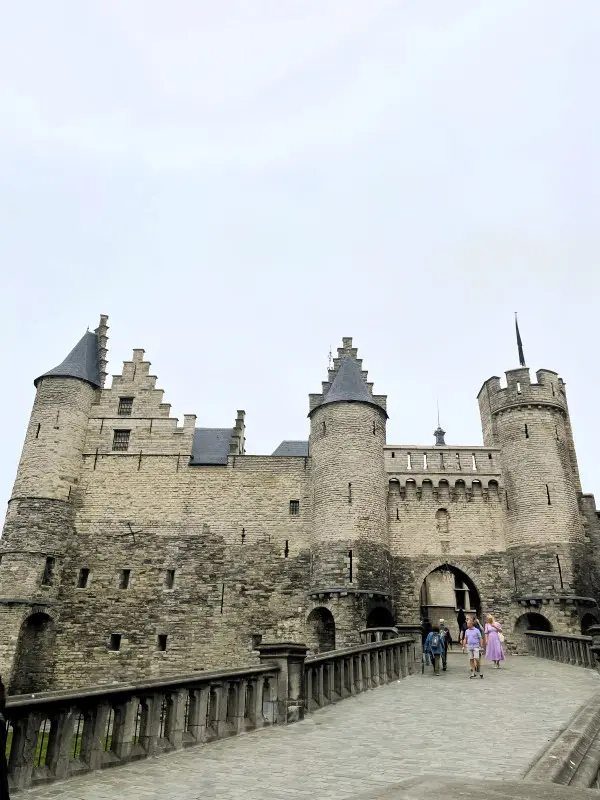
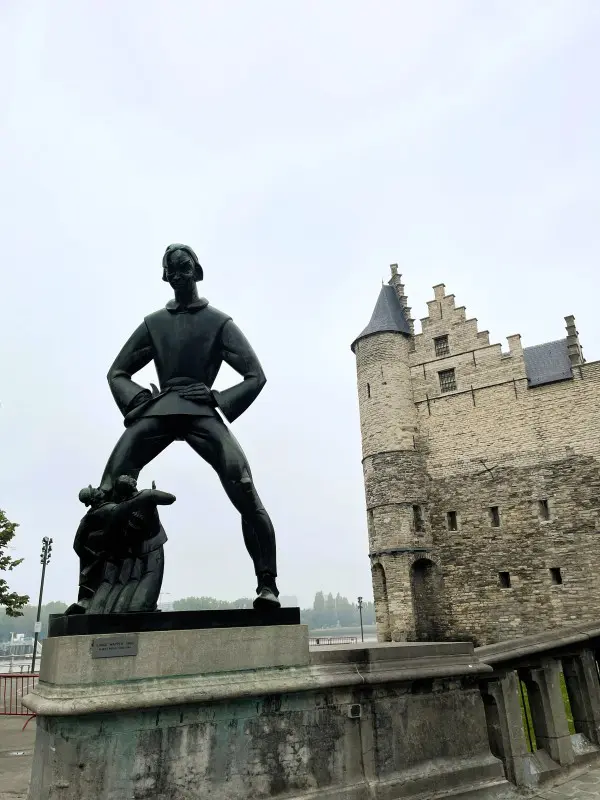
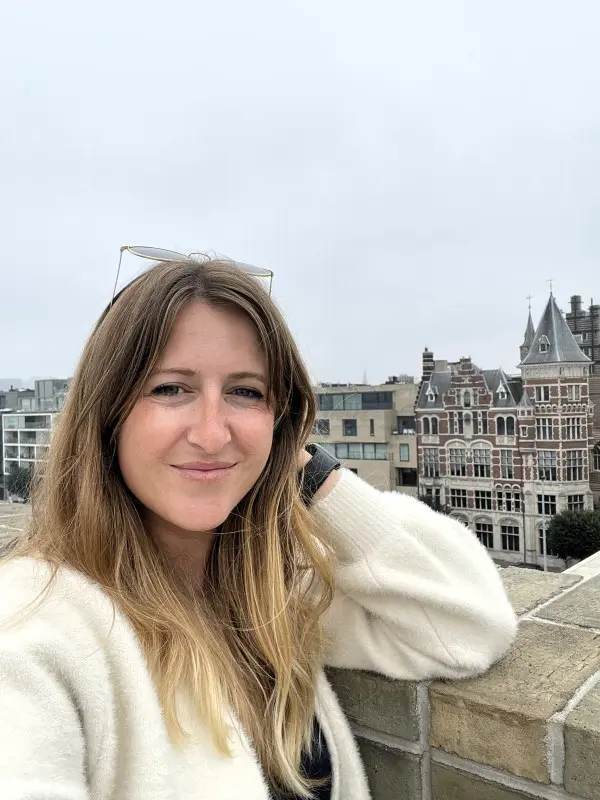
If Grote Markt is where you feel Antwerp’s golden age, Het Steen is where the city actually starts. It’s Antwerp’s oldest surviving building, with a history on this site going back to the 9th or 10th century as a defence against Viking raids, rebuilt into a stone fortress in the 1200s and again under Charles V around 1520 — which is where the current name comes from (“het steen” means “the stone”). It spent centuries as a prison before becoming a museum and, now, a visitor centre.
Inside is the Antwerp Story exhibit, a quick multimedia walk through the city’s history — and it’s a genuinely useful place to start the historic core. Fifteen or twenty minutes here gives you enough context that Grote Markt, the Cathedral, and Handelsbeurs land with more weight than they would cold. Sitting right on the Scheldt, it’s also a good first look at the river before you circle back to it properly later on.
The Historic Core
Grote Markt
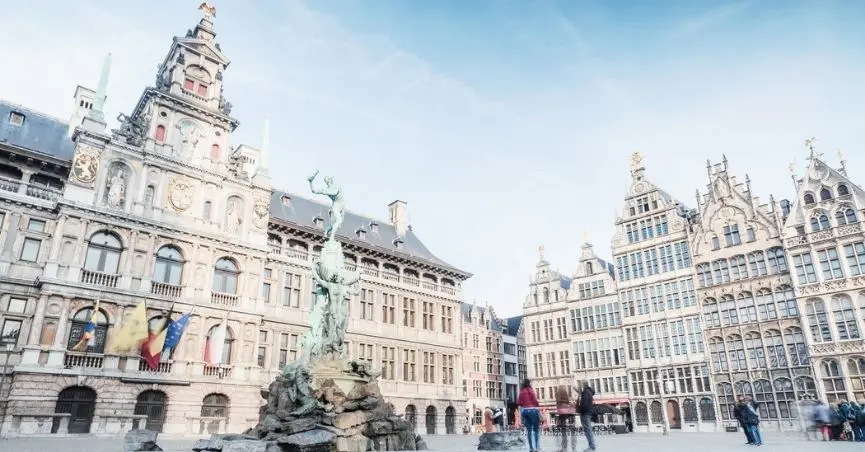
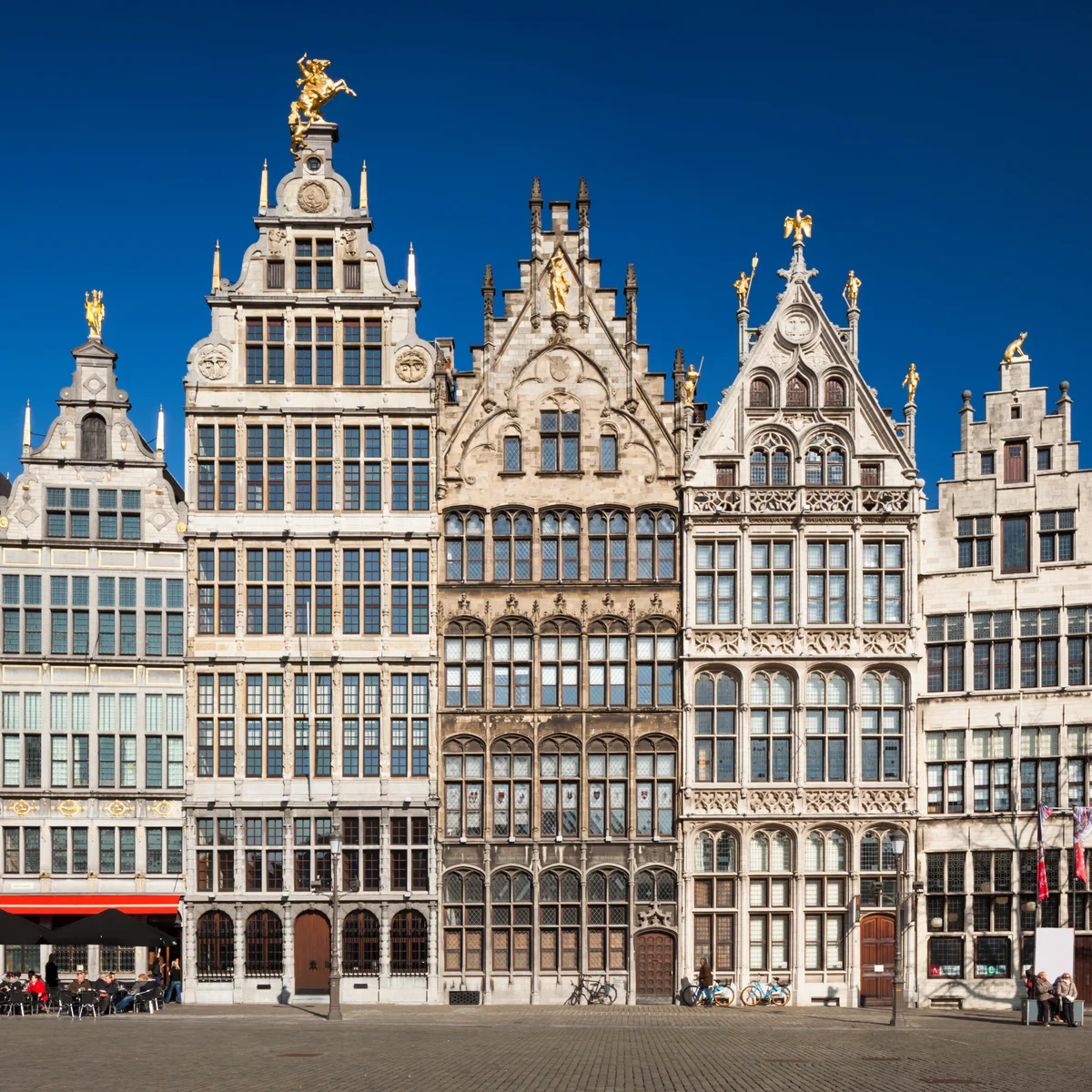
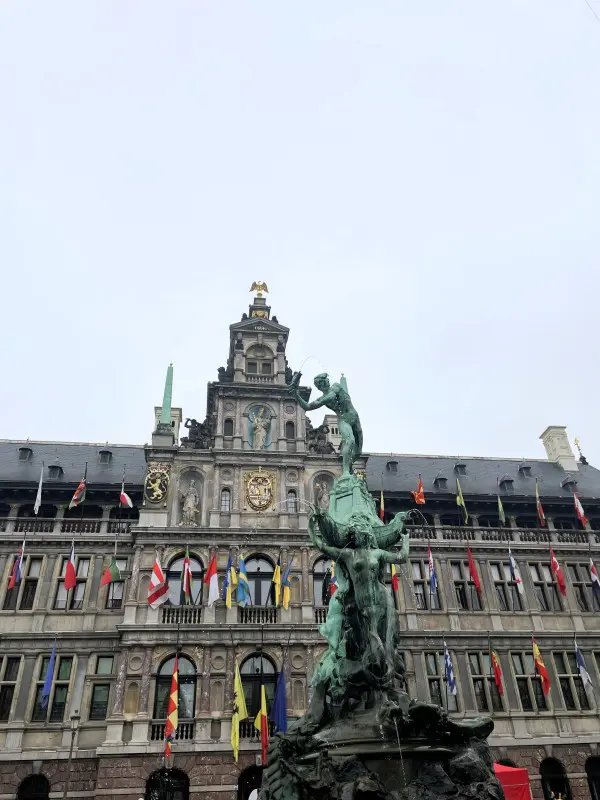
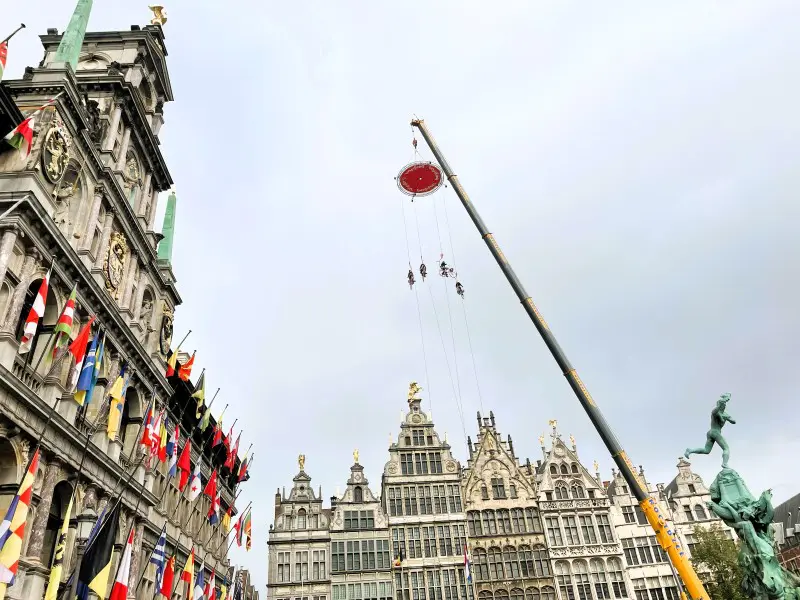
The main square is the obvious starting point, and it earns its place on the itinerary despite being unambiguously touristy. Framed by ornate guild houses — high-gabled Renaissance facades with gilded statues at their peaks, rebuilt in the late 19th century but retaining the drama of the originals — and anchored by the Brabo Fountain at its centre, the Grote Markt is one of those European squares that justifies the category.
I sat with a coffee on a cool, overcast September morning and did nothing in particular for a while. Watched people cross the square, photographed the fountain from different angles, let the guild houses do their work. The square represents the peak of Antwerp’s 16th-century golden age, when it was one of the most powerful trading cities in the world — and the architecture still carries that confidence.
Tip: the square is busy in the middle of the day when tour groups arrive. Early morning or early evening gives you more room to actually take it in.
Cathedral of Our Lady
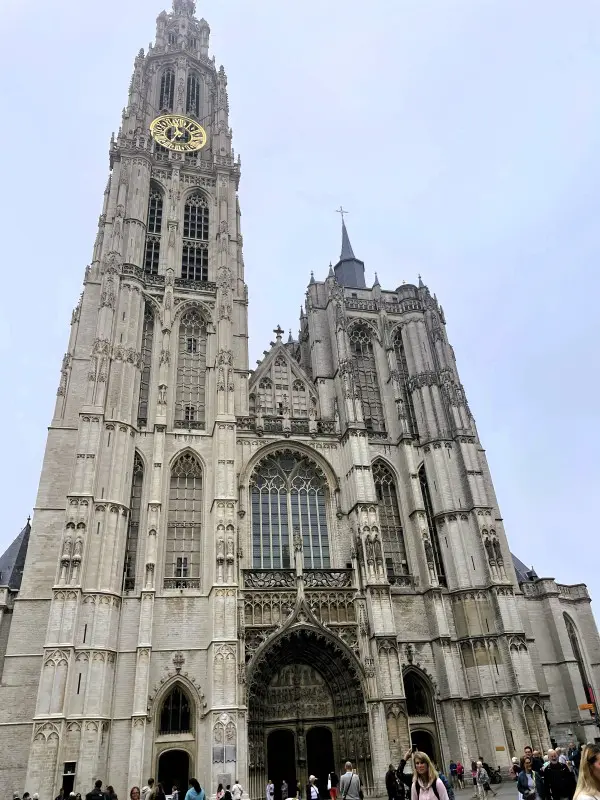
The cathedral anchors the historic core — a Gothic spire rising above the rooftops that you’ll keep navigating by as you walk the old city. Inside, it houses several Rubens paintings, including the famous Descent from the Cross triptych. I didn’t go in on this visit — sometimes you make a choice to spend time elsewhere — but if religious art or Gothic architecture is your thing, it’s considered one of the finest examples in Belgium. Worth the entry even if neither of those things is usually your interest: the scale and light alone are reportedly extraordinary.
Handelsbeurs
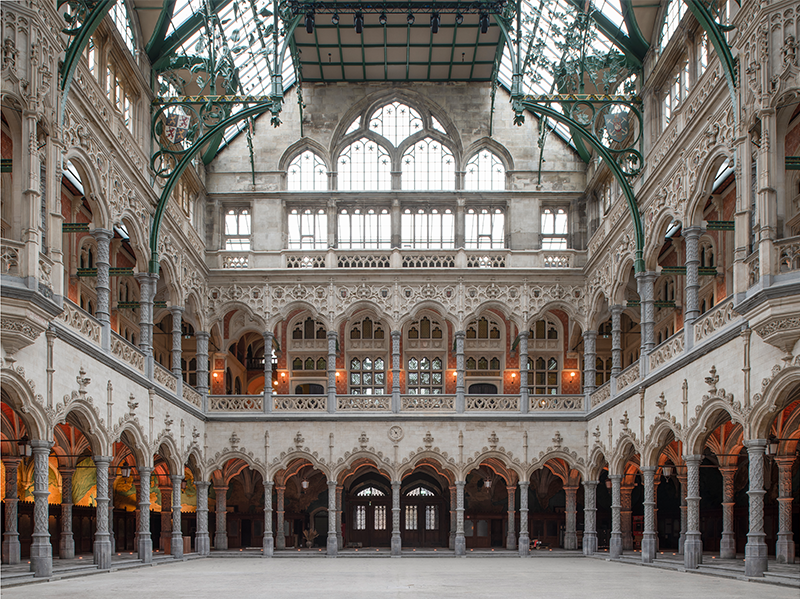
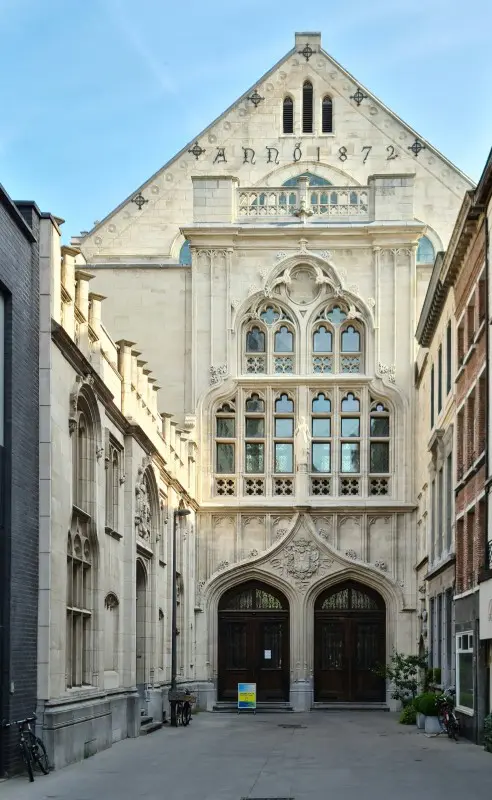
Worth a stop if you pass it: the 19th-century neo-Gothic stock exchange, recently restored and glowing. It burned down completely twice — in 1583 and again in 1858 — and was rebuilt both times. During Antwerp’s golden age, the original building served as a model for stock exchanges across Europe, the “mother of all stock exchanges.” The restored interior is now an events and hospitality space, but the architecture speaks for itself from outside.
Meir Palace
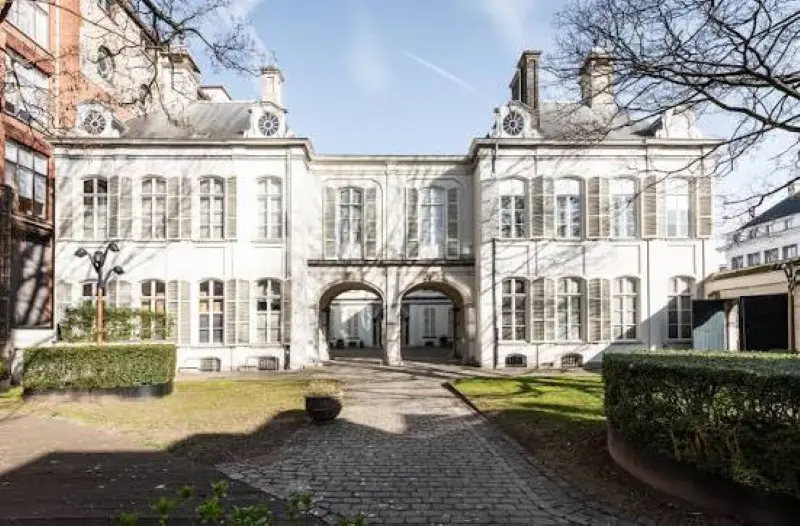
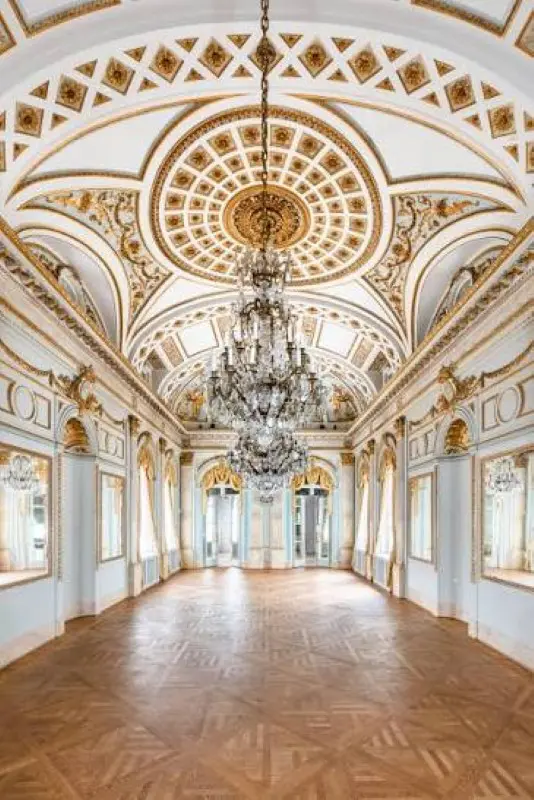
On the main shopping street, the Meir Palace has one of Antwerp’s more tragicomic histories: it changed ownership repeatedly across the centuries — Napoleon, Willem I of the Netherlands, the Belgian royal family — and was remodelled almost every time, usually before the new owners had a chance to actually enjoy it. It’s now used for exhibitions and events.
The Museums
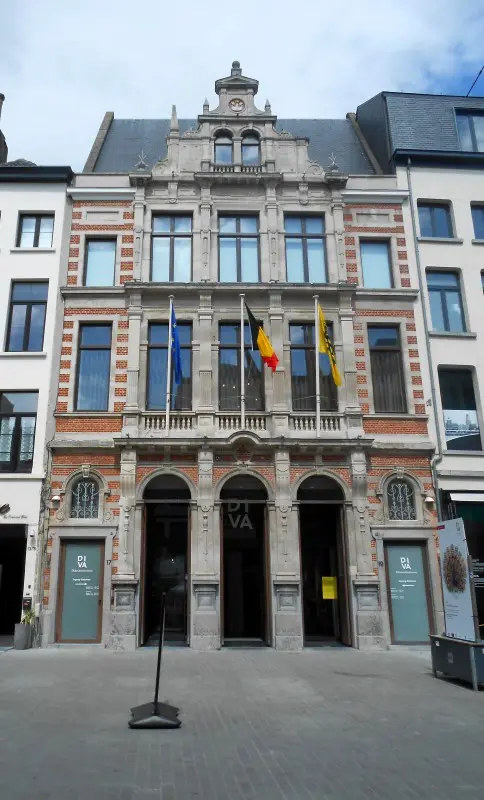
DIVA Museum
I almost didn’t go. A museum dedicated to gold, silver, and jewellery felt like a niche I wasn’t sure I was the right audience for. I went anyway, and it was one of the best decisions of the trip.
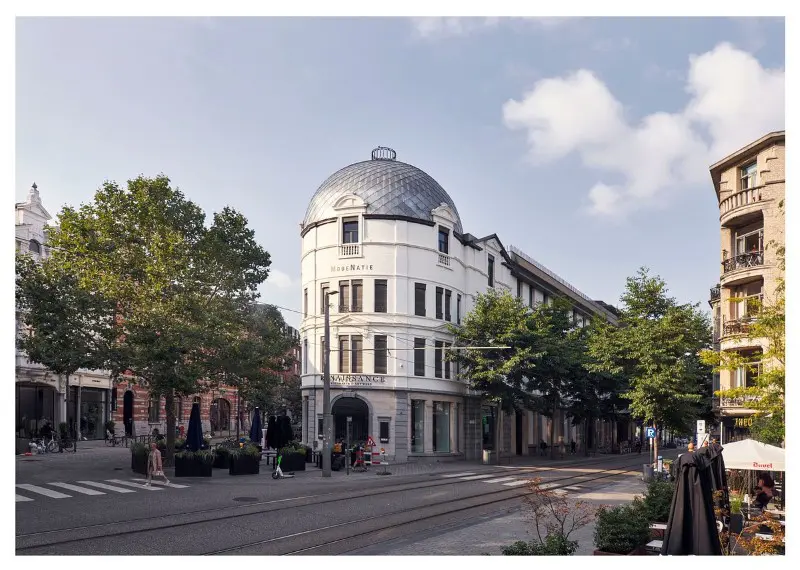
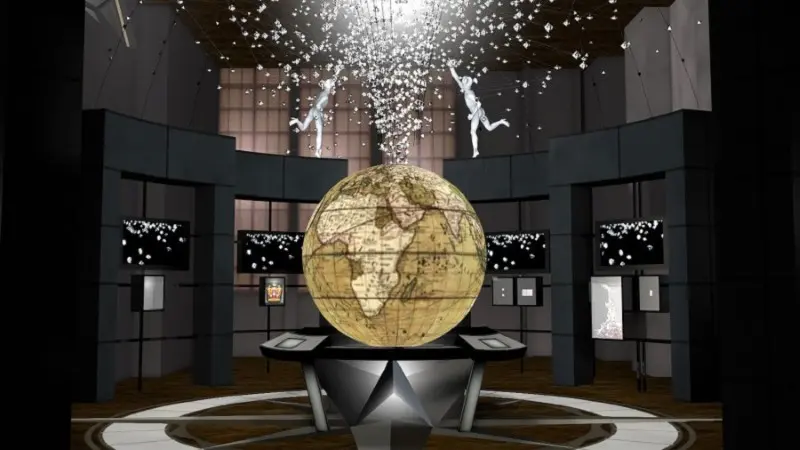
DIVA sits in the historic heart of the city that has been the world’s diamond capital for over 575 years. From the 15th century onward, Antwerp’s streets around the Grote Markt were where anyone in Europe came for precious stones and metalwork. The museum traces that history with real intelligence and depth: the craftsmanship, the trade routes, the politics of the diamond industry, the extraordinary objects themselves.
What I wasn’t expecting was how much there was to see, or how well it was laid out. Display case after display case of genuinely spectacular pieces — jewellery, silverwork, historical artifacts — with context that made each one meaningful rather than just pretty. I spent significantly longer than I planned and left knowing things about the diamond trade and Antwerp’s history that reframed everything I’d seen walking around the city.
Go even if it seems too niche. Especially if it seems too niche.
Entry: €12. Allow at least 90 minutes, more if you read everything.
Chocolate Nation
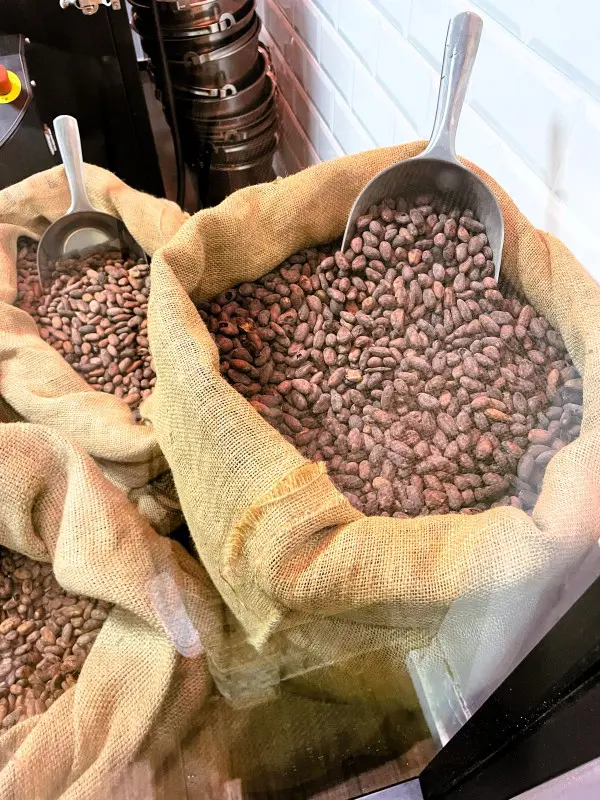
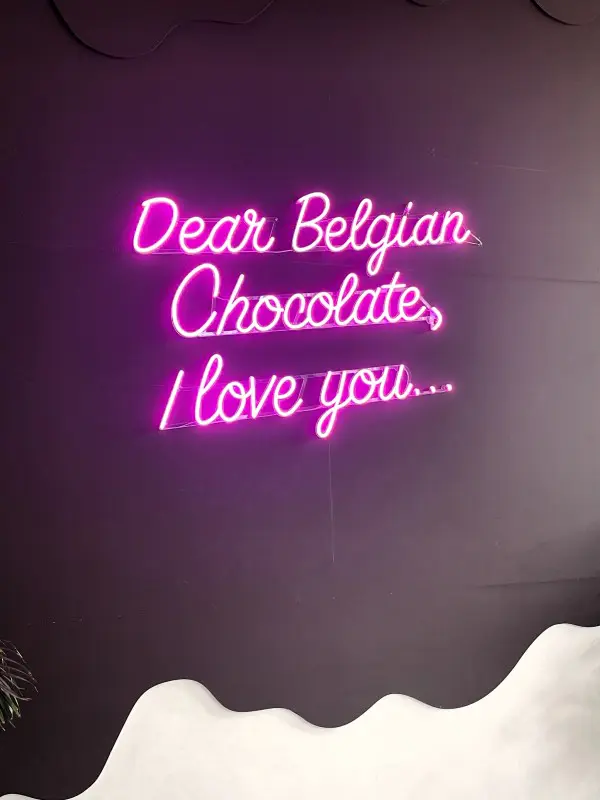
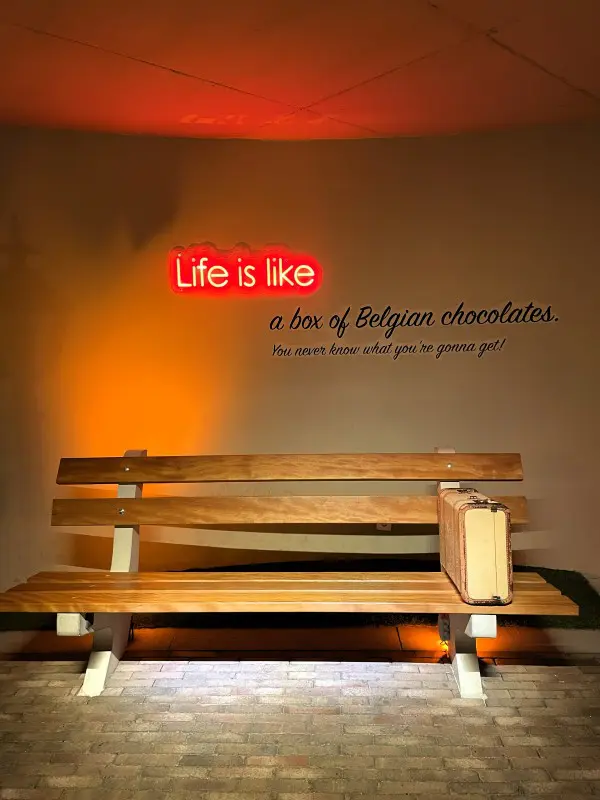
Belgium takes chocolate seriously in a way that requires experiencing rather than explaining, and Chocolate Nation is the right place to start. The museum walks you through the full history of Belgian chocolate — from cacao origins to the development of pralines to the craft of modern Belgian chocolate-making — with generous samples at regular intervals throughout.
It’s well done, informative, and delicious. The samples alone justify the entry.
Honest note: I think this one would be more fun with a travel companion. There’s a lot to wander through together, things to taste and compare opinions on, and the interactive elements land better when you’re sharing the experience. Solo, it’s still enjoyable — but it’s one of those places that scales upward with good company.
Entry: €20. Allow 1.5–2 hours.
Other Museums Worth Knowing
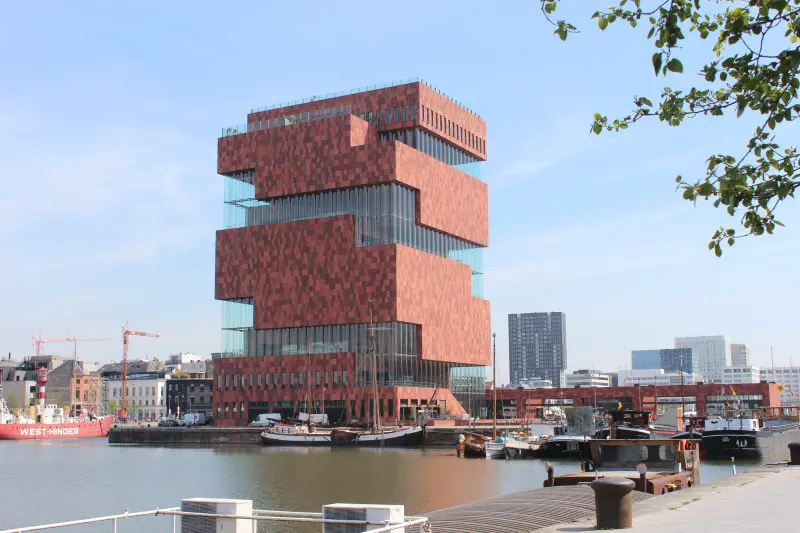
MAS Museum — the Museum aan de Stroom, a striking modern building in the port district. The museum itself covers the history of Antwerp and the world it traded with; the rooftop is free and offers some of the best views in the city, particularly toward sunset.
MoMu — the fashion museum, appropriate for a city that takes fashion as seriously as Antwerp does. Worth it if fashion history and design are your thing.
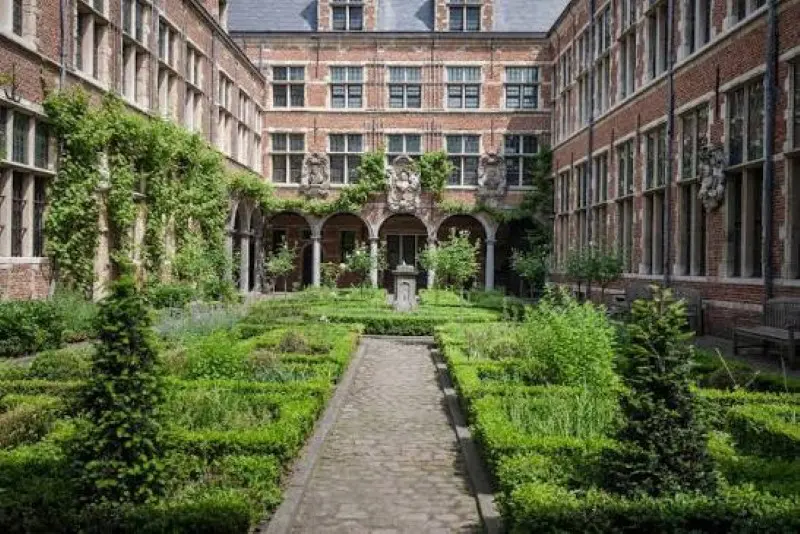
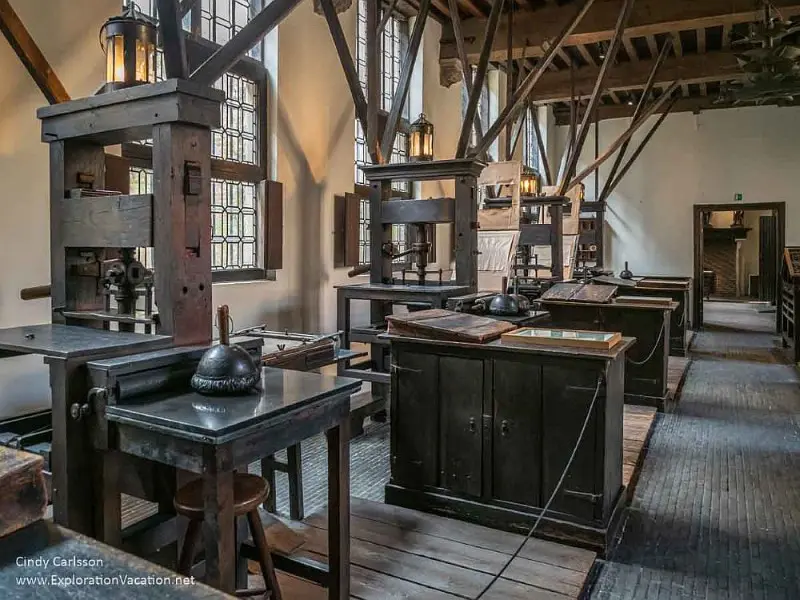
Plantin-Moretus Museum — a UNESCO-listed printing museum in a beautifully preserved 16th-century house, celebrating the Plantin printing dynasty that made Antwerp one of the most important centres of book production in Renaissance Europe.
Green Spaces
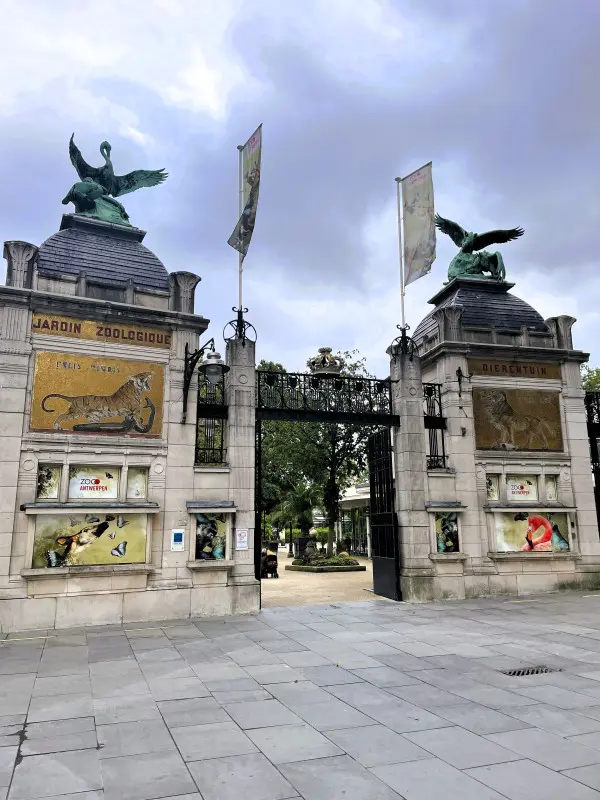
Zoo Antwerpen: Right Outside the Station
Honest note first: I didn’t make it in. It was on my list, but between everything else and it not necessarily feeling like the most Antwerp-specific thing to prioritize — despite its age — it got bumped. I’m including it anyway, because its location alone makes it worth knowing about.
Zoo Antwerpen opened in 1843, which makes it the oldest zoo in Belgium and one of the oldest in the world. It sits directly beside Antwerp Central Station — you could walk out of that “Railway Cathedral” and be through the zoo gates in under two minutes, which makes it an easy add before you’ve even properly started your day. Ten hectares, close to a thousand species, and 19th-century architecture that matches the grandeur of the station right next to it.
Tip: buy tickets online ahead of time — it knocks about €3 off the door price.
Stadspark
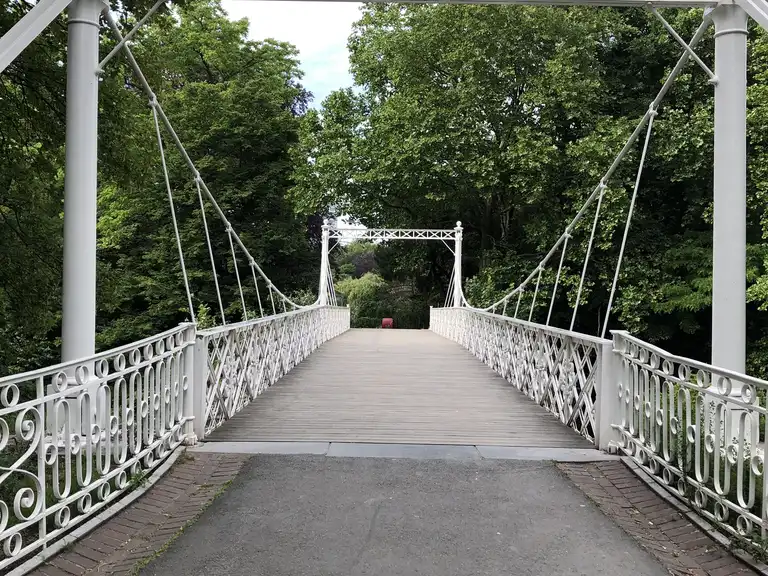
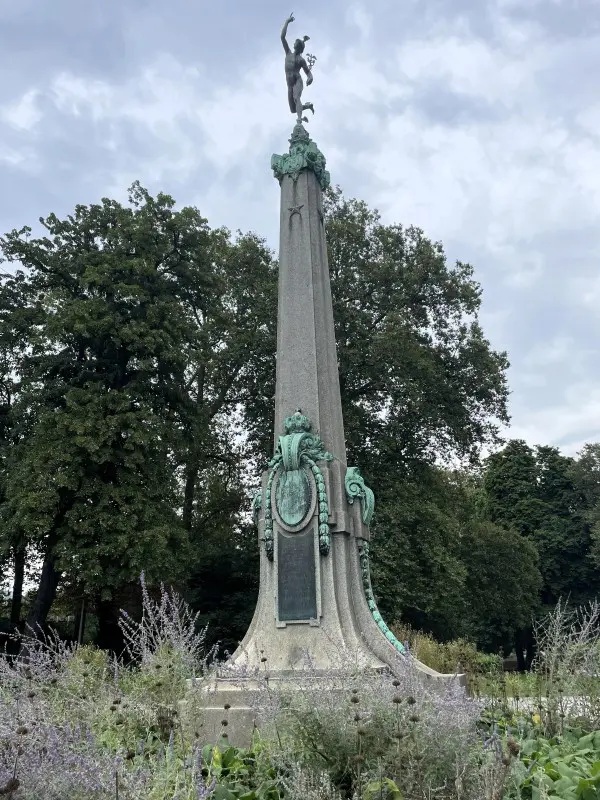
I went for a stroll through here and it was lovely — and busy, in the best way. You can tell it’s the heart of the city the moment you walk in: a large pond crossed by metal bridges, shaded walkways, sculptures scattered through the grounds. This is where it felt busiest with actual Antwerp life — families, people meeting up, kids running toward the playgrounds. After a stretch of museums and old-town architecture, it’s a good reset, and it sits close enough to the station and the zoo that it’s easy to fold into the start of your trip.
Den Botaniek
I didn’t get to this one, but it was on my list, and it’s the kind of place I actively seek out wherever I travel — I love botanical gardens, especially for the chance to see flora from different parts of the world in one place. There’s something I find genuinely interesting about the concept itself: bringing a piece of somewhere else back to share, an early, informal form of tourism before tourism was really a thing. (Worth naming honestly — a lot of that plant-collecting history is tangled up with colonization, and that’s part of the story too, not just the pretty part.) They tend to be peaceful, grounding places, and a good counterbalance to a trip that’s otherwise all city.
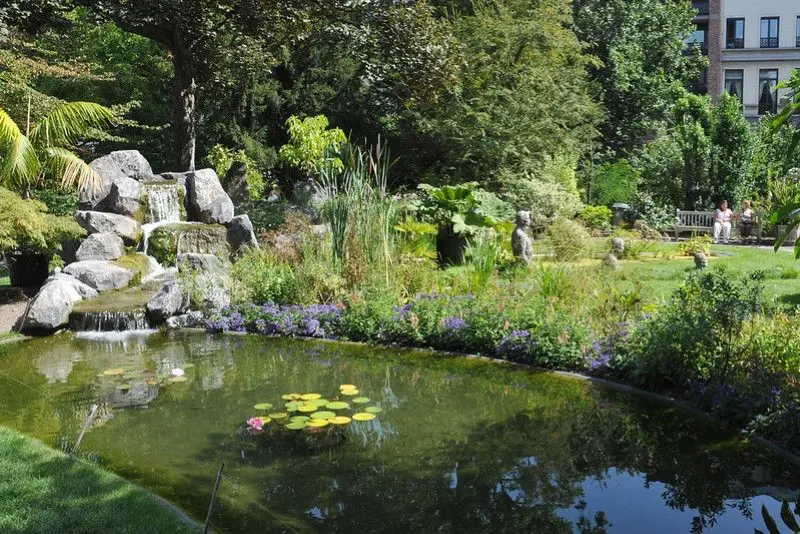
Den Botaniek dates back to 1825, tucked just off the Meir shopping street on Leopoldstraat. It’s small — under a hectare — but holds around 2,000 plant species, a small greenhouse, a pond, and free entry. Easy to fold into a day that already has you near Meir.
Food & Drink
A few Belgian classic things worth knowing:
Frites — not French fries. Belgian frites are a different thing: thicker, twice-fried, crispier outside and fluffier inside, served in a paper cone with a choice of sauces that takes the decision more seriously than you might expect. Eat them from a frituur (fry stand) for the proper experience. This is non-negotiable.
Beer — Antwerp has real depth in its beer culture beyond the nationally famous names. Ask what’s local at whichever bar you end up in. Belgium’s beer tradition is a UNESCO Intangible Cultural Heritage, and Antwerp takes its corner of that seriously.
Waffles — and specifically, the Liège waffle over the Brussels waffle. The Liège version is denser, chewier, made with pearl sugar that caramelizes on the iron and creates pockets of sweetness throughout. Eaten plain, from a street stand, warm. Not the loaded Instagram version with cream and fruit and chocolate sauce — that obscures the actual waffle. Find a simple one. It will be better.
Moules-frites — mussels and frites, the classic Belgian combination. Seasonal (best September through April), and worth ordering if you’re there at the right time. September worked out well on that front.
A few Antwerp places to try:
- Elfde Gebod Riverside – quirky religious decor, good food and drink. This location is noted to have a more relaxed vibe than the one in the historic center.
- Café Pardaf – “Craft Beer Heaven” – a place with a long list of beers on tap and by the bottle. Near the river.
- The Juicy Seafood – noted for fresh and high-quality seafood, unpretentious decor but great staff.
- De Pottekijker – intimate and charming interior with great reviews of Belgian classic foods
Plan this trip
On Visiting Antwerp Solo
Antwerp is a comfortable solo city. English is widely spoken, the layout is logical, public transport is easy, and the museums are the kind you can lose yourself in at your own pace without feeling self-conscious about going slowly or doubling back.
I felt safe throughout — wandering the old city in the evening, walking the riverfront, navigating between neighbourhoods. The city has a lived-in, functional quality that makes it feel less like a tourist stage and more like a place where people actually live their lives, which tends to create a more relaxed atmosphere for solo travellers.
The one honest caveat: Chocolate Nation is better with company. Beyond that, Antwerp’s solo credentials are solid. It’s a city that rewards curiosity and attention, which are qualities you have more of when you’re moving at your own pace.
Practical Notes
Getting around: The historic centre is very walkable. Trams connect the centre to outlying neighbourhoods. Bikes are common, and cycle infrastructure is good if you want to cover more ground.
When to go: September was excellent — warm enough to sit outside, cool enough to walk comfortably, and significantly less crowded than peak summer. The city runs year-round; December brings Christmas markets if that’s your thing.
Language: Antwerp is in Flanders, the Dutch-speaking region of Belgium. The local language is Flemish Dutch — but English is so widely spoken in the city that language is rarely a practical issue for visitors.
Tours:
Pin me for later
You might like these other Benelux posts:
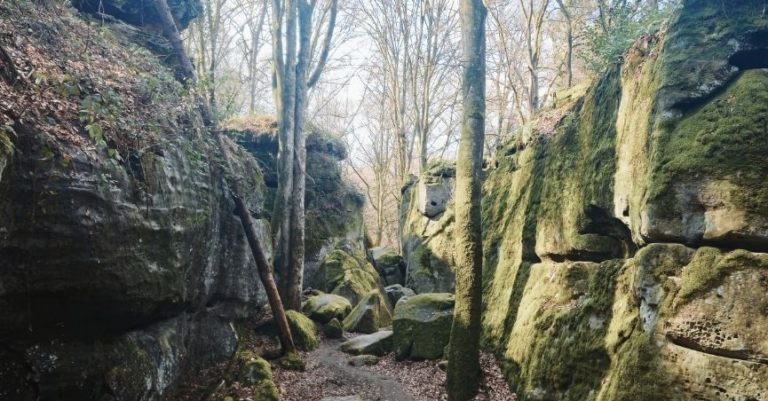
Mullerthal Trail Echternach Loop (E1): Day Hike in Luxembourg
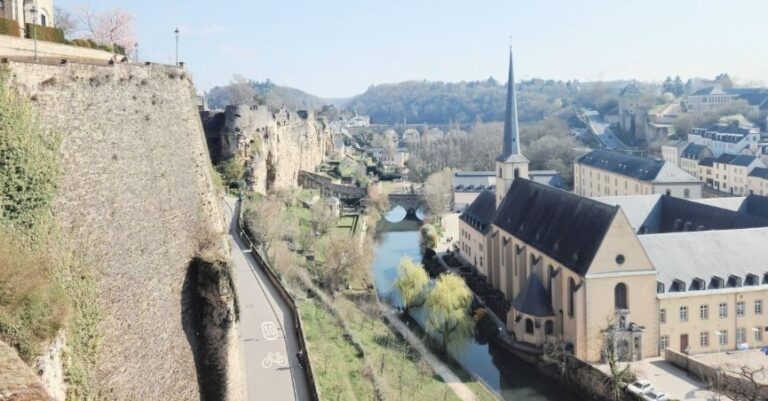
4 Days in Luxembourg: Itinerary for First-Time Visitors
A Day Trip Cycling from Amsterdam to Haarlem