A Day Trip to Marsaxlokk Fishing Village
After some time in Valletta’s grand streets and baroque architecture, Marsaxlokk offers something completely different. A slower pace, a working harbour, and the kind of village atmosphere that reminds you people actually live in Malta rather than just visiting it.
I took the bus south from Valletta — about 50 minutes — and walked from the stop toward the water. I didn’t need a map. The direction was obvious in glimpses of blue between the honey-coloured buildings, and in the rising sound of the marina: ropes, water, the particular knock of boats moving against each other. Then the harbour opened up in front of me, and I stopped.
Marsaxlokk Summary
Location: Marsaxlokk, southeast Malta
Getting there: Bus 81 or 85 from Valletta (~50 minutes)
Time needed: Half day for the village; full day with the Delimara Peninsula walk
Highlights: Luzzu boats, waterfront market, St. Peter’s Pool, coastal walk
Best for: A slower pace, local atmosphere, swimming (summer), coastal walking
The Village
Luzzu Boats
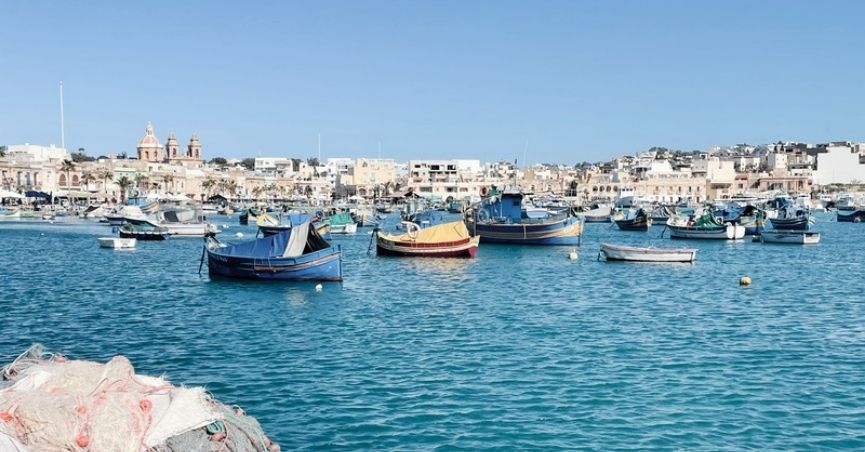
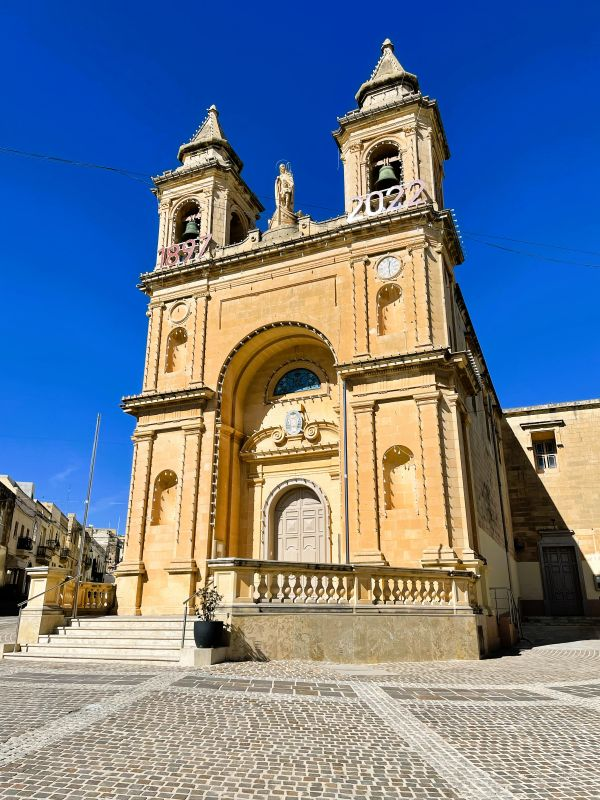
Marsaxlokk has been a fishing harbour since Phoenician times, and the sea is still the centre of everything here. Its most distinctive feature is the luzzu. Traditional wooden fishing boats painted in vivid combinations of yellow, red, green, and blue, some striped, some near-solid colour, most with a canvas canopy stretched over the bow for shade. Many of the boats were out when I visited, which made the harbour feel like a working place mid-task rather than a display. The ones that remained were tied close together along the quay, fishing nets and traps piled on one side, the whole scene framed by the village church rising behind — its domed towers the tallest thing in sight, standing out cleanly against the blue sky.
Each luzzu bears the Eye of Osiris painted on the bow — a symbol believed to ward off evil and protect the fishermen at sea. It’s a tradition that has persisted across centuries and civilizations, from ancient Egypt through to a village harbour in 21st-century Malta. Looking at it, painted on a brightly coloured wooden boat on a sunny February morning, it doesn’t feel like a tourist detail.
Market
The day I visited wasn’t a Sunday, so the famous fish market wasn’t running — but there was still a small waterfront market of arts, clothing, and local wares, relaxed and unhurried in the off-season sun. I bought some bars of locally made nougat to bring home.
If you can visit on a Sunday, the fish market runs along the waterfront and draws both locals and visitors — fresh swordfish, tuna, octopus, and seasonal catch laid out by the fishermen who caught them. Even without buying anything, it’s worth the trip for the atmosphere and the chance to see the harbour at its most alive.
The warm honey limestone of the buildings caught the light against the blue water and the blue sky in a way that made everything look slightly more saturated than real. I walked the harbour slowly, looked at the boats, watched a few fishermen working on nets, and felt no particular urgency about any of it.
The waterfront promenade is lined with seafood restaurants, all angling for your attention with outdoor tables and fresh catches displayed at the door. A long lunch here — grilled fish, local wine, the harbour view — is the correct use of a sunny Malta afternoon.
Getting there:
- Bus: 81 or 85 from Valletta — approximately 50 minutes, straightforward
- Car: approximately 25 minutes; free parking near the waterfront, though it fills up on Sunday market days


The Delimara Peninsula Walk
The afternoon was for walking. The Delimara Peninsula stretches south and east of Marsaxlokk — a rugged headland of limestone cliffs, coastal rock pools, salt pans, and views across the open Mediterranean. Most visitors don’t make it out here. That’s their loss. I’m pretty sure I saw this stretch of coast from the airplane window.
My route: an 11km loop with about 180m of elevation gain, taking roughly 4 hours including stops for photos and time at St. Peter’s Pool. The terrain is manageable but uneven — sturdy shoes, sunscreen, and water are non-negotiable. There is almost no shade on the exposed sections.
What the walk looks like:
The early sections move through narrow lanes bounded by low yellow stone walls, drought-hardy shrubs with small yellow flowers, and the occasional overgrown cactus pushing through the gaps. It feels genuinely rural — the village behind you, the sea ahead, not much else.
St. Peter’s Pool is the centrepiece and is worth every step to reach it. The colour of the water is one of those things that photographs approach but don’t fully capture: a deep royal blue in the centre shifting toward near-turquoise at the edges, vivid and layered rather than a single flat colour. The pool is a natural limestone formation — no sand, no gradual shore. You swim here by climbing down the warm sandstone shelf and dropping into deep, cold water. The contrast between the pale stone, the impossible blue, and the open sky is one of the more beautiful things I saw in Malta.
In February, I had it largely to myself. In summer, this is clearly a local swimming spot — the kind of place families bring lunch and spend the day, the limestone warm enough to lie on, the water cold enough to make the entry worth commemorating. I sat for a long time listening to the waves lap and occasionally crash against the outer rocks. There was nowhere better to be.
Beyond St. Peter’s Pool:
- Delimara Lighthouse — at the southeastern tip of the peninsula, guiding ships as it has since the 19th century. The views from the headland are open and dramatic.
- Il-Kalanka Bay — a quieter cove tucked into the rocky coastline, calmer than St. Peter’s and more secluded.
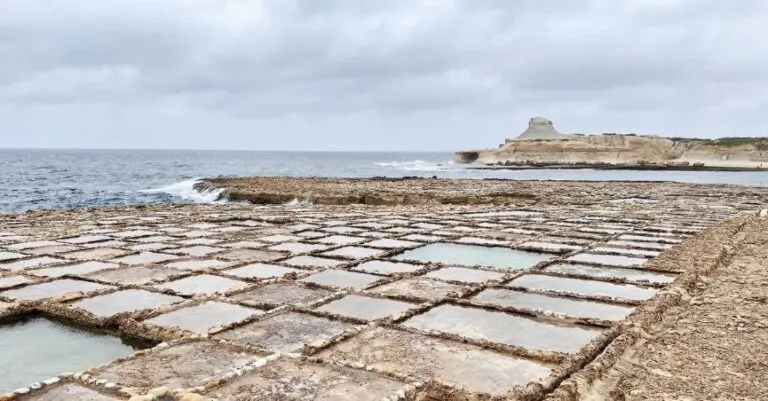
- Salt pans — geometric limestone channels where locals have harvested salt for centuries, still in use.
- The Ħofriet Window — a natural rock arch carved by the sea, best in the golden light of late afternoon.
Practical notes for the walk:
- Wear sturdy shoes — the path is uneven throughout
- Carry more water than you think you’ll need — no amenities on the route
- Apply sunscreen before you start — the exposed coastal sections have no shade
- Allow 4 hours minimum if you want time at St. Peter’s Pool
- The route is best done in the morning in summer to avoid the worst of the midday heat — February was perfect walking weather


Marsaxlokk: Local or Tourist?
Both, honestly, and the balance feels about right. The fishing culture is real and present: the working boats, the nets, the market, the restaurants that have been feeding the village long before anyone made a travel blog about it. But some of the market stalls clearly cater to visitors, and the waterfront restaurants know their audience.
In February, off-season, the tourist element was minimal, and the local element was dominant. I suspect high summer shifts that balance considerably. If you want Marsaxlokk at its most authentic, a shoulder season or a weekday visit is the right call. If you want the fish market at full volume and the harbour at its most animated, Sunday morning in spring or early summer.
Either version is worth the bus ride from Valletta.
Other Sights Near Marsaxlokk:
Borg In-Nadur – Borġ in-Nadur is an archaeological site overlooking Malta’s southern coastline, known for the remains of a Bronze Age village and one of the island’s later prehistoric temples. The site offers a quieter, less-visited glimpse into Malta’s ancient history, with traces of defensive walls, stone structures, and settlement remains still visible today. Its elevated location also provides beautiful views over the surrounding countryside and the bay below.
Ghar Dalam Cave & Museum – Għar Dalam, meaning “Cave of Darkness,” is one of Malta’s most important prehistoric sites. The cave contains layers of fossils and archaeological discoveries dating back hundreds of thousands of years, including remains of dwarf elephants, hippos, and evidence of the island’s earliest human inhabitants. The small museum beside the cave helps bring the site’s fascinating history to life with exhibits explaining Malta’s prehistoric past and geological evolution.
Read more about these two sights in this post: Malta’s Prehistoric Wonders
Pin me for later…

You might also want to read these Malta posts…
10 Day Malta & Gozo Itinerary
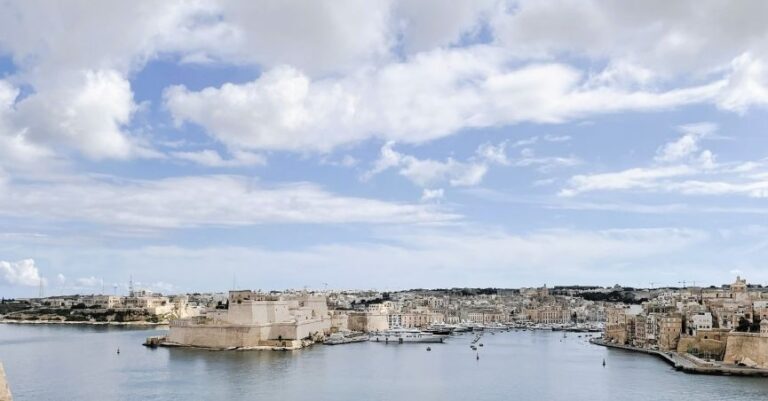
A Day Trip to Three Cities: Vittoriosa (Birgu), Senglea & Cospicua
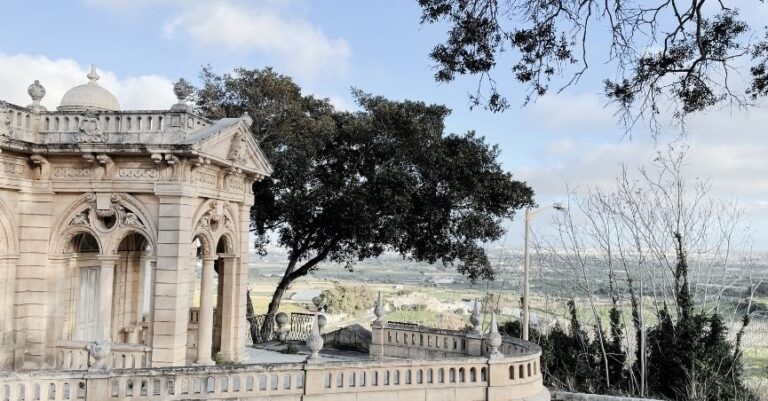
Mdina and Rabat Day Trip from Valletta
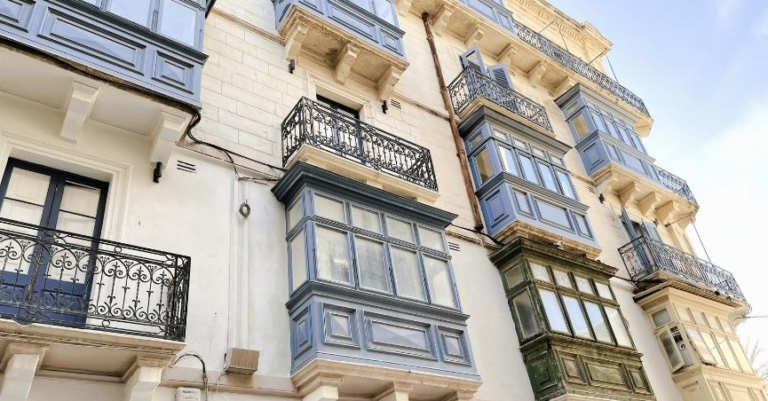
5 Day Trips from Valletta to Explore More of Malta
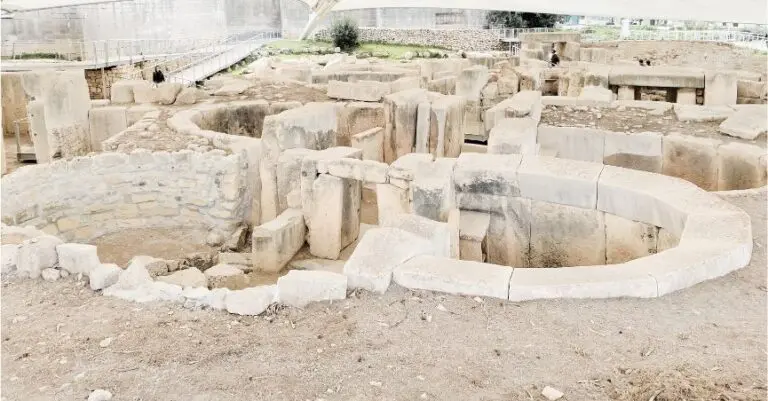
A Guide to Malta’s Prehistoric Temples: Ancient Sites to Visit
Visit Gozo Island: Exploring Malta’s Scenic Sister Island