Hiking in Mount Kinabalu Park, Borneo Malaysia
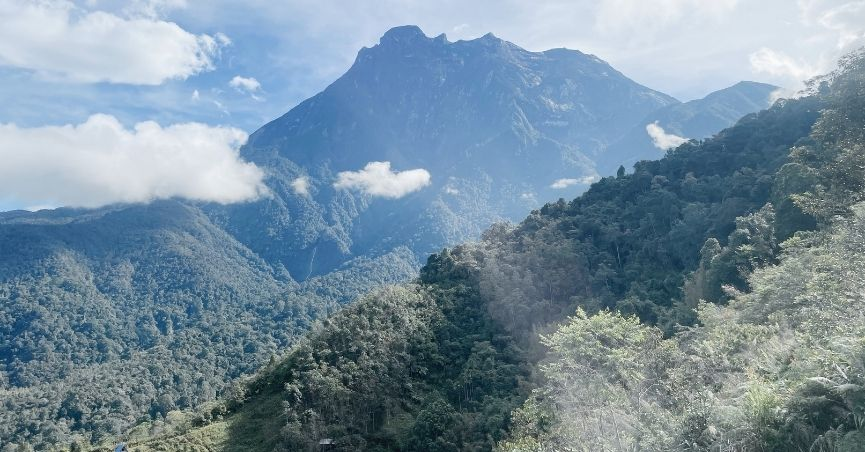
There are few places in Southeast Asia where raw wilderness rises so dramatically from the earth as Mount Kinabalu. Towering above the misty rainforests of Kinabalu Park, this UNESCO-listed landscape is often associated with its famous main summit, Low’s Peak. But sometimes you don’t have the time for this multi-day attempt. Summitting Nuluh Lingion Peak on a day hike offers exactly that: a journey off the typical tourist path and into a more intimate side of Kinabalu.
The trail winds through mossy forest alive with birdsong, pitcher plants, and ancient trees draped in lichen, gradually revealing sweeping ridgelines and dramatic views across Sabah’s rugged interior. It’s a hike that blends challenge and serenity, where every step feels earned, and every clearing offers a reminder of just how vast and untamed Borneo can be.
In this post, I’ll take you through what to expect on the trail, how to prepare for the trek, and why Nuluh Lingion might just be the most underrated summit in Mount Kinabalu.
Nuluh Lingion Peak Hike Stats
Summit Elevation: ~1,420 m (hike starts at
Approx. Hike Distance: ~10 km (round-trip)
Ascending Time: ~2–3 hrs to summit
Total Day Trip: ~8–10 hrs with transfers
Difficulty: Moderate (firm fitness recommended)
Mount Kinabalu Day Hike
Getting Started
We booked our hike through River Junkie tour operators (they also do Mount Kinabalu summit trips). They picked us up bright and early – 0630 – at our hotel. We picked up a few additional people along the way, though they might not be continuing with you all the way. It took about 2 hours to get to the start of our hike. We ended up having a private guide, which is normal according to our guide – it makes for a better experience in nature.
Tip: don’t sleep through the drive — the views are incredible. The left side of the van offers sweeping mountain vistas, though the right side has its own unique perspectives as the landscape unfolds toward the coast and countryside.
Tip: make sure to have breakfast beforehand, bring snacks and lots of water.
Our hike began in the village of Kampung Kiau, tucked into the foothills of UNESCO-listed Mount Kinabalu. Life here moves at the pace of the land. The connection to the earth is clear from the very first steps of the hike.


The Hike
We set off along local family trails that wind directly through coffee plots and smallholder farms growing pineapple, cocoa, oranges, bananas, jackfruit, and other seasonal fruits. The land is owned and cultivated by village families. Our guide would pause occasionally, reaching up or down to pluck fruit straight from the source, slicing it open for us to taste. Sweet, sun-warmed, impossibly fresh.
As the farms gave way to denser jungle, the atmosphere shifted. Towering trees closed in overhead, and the air grew cooler, thicker. There’s a unique silence here — a silence from modernity. No engines, no distant traffic, no hum of infrastructure. It feels oddly heavy at first, then deeply comforting. And yet, the jungle itself is anything but silent. Birds call from the canopy, insects buzz and chirp in layered rhythms, and leaves rustle with unseen movement.


The climb steadily gains elevation until you reach the survival skills camp perched at the summit of Nuluh Lingion. On clear days, you can often see the highest peak of Mount Kinabalu rising dramatically in the distance. Ours, however, played shy — the summit wrapped in cloud, revealing only hints of its granite crown between shifting mist. Even without the full view, standing at the top was an accomplishment and awe at the surrounding views.
We descended via a slightly different trail, looping back toward the village and offering new perspectives of the valleys and ridgelines we had climbed through earlier.
Back in Kampung Kiau, we were welcomed into our guide’s family home for lunch. The meal was home-cooked, generous, and deeply flavourful.


Tips for the Trail
- Leech socks are provided — and you’ll want them.
- Wear long pants and long sleeves for protection from insects and sun exposure. Parts of the trail open up from the trees and can be quite exposed.
- Bring bug spray and sunscreen.
- Bring plenty of water and snacks.
This hike has you walking through living farmland. Sharing fruit with the people who grow it, listening to a jungle that hums with life, and ending the day around a family table. It’s immersive, grounding, and unforgettable. This was one of my favourite tour experiences to date.


Pin me for later…

You might want to read these Malaysia posts…
Or maybe these Day Hike posts…