A Day Trip to Belém from Lisbon
Part of the Lisbon series — full Lisbon itinerary here. Belém is Day 2 in the itinerary, easily done as a standalone half-day or full day from the city centre.
Belém sits at the point where the Tagus River meets the Atlantic — the exact place from which Portugal’s great explorers set sail during the Age of Discovery. Vasco da Gama departed from here to reach India. Ferdinand Magellan left from here on the first circumnavigation of the globe. The monuments that line the riverfront today are deliberate acts of memory: a country choosing to mark the place where it changed the shape of the known world.
It’s also where the best pastel de nata in Lisbon comes from. Both things are true simultaneously, and both deserve your attention.
Belem Summary
Location: Belém, western Lisbon — 15 minutes by train
Getting there: Suburban train from Cais do Sodré — easiest option
Time needed: Half day minimum; full day with optional extras
Highlights: Pastéis de Belém, Jerónimos Monastery, Monument to the Discoveries, Belém Tower
Free with Lisboa Card: Jerónimos Monastery, train travel
Best time: Morning start; time Belém Tower for late afternoon golden hour
Getting There
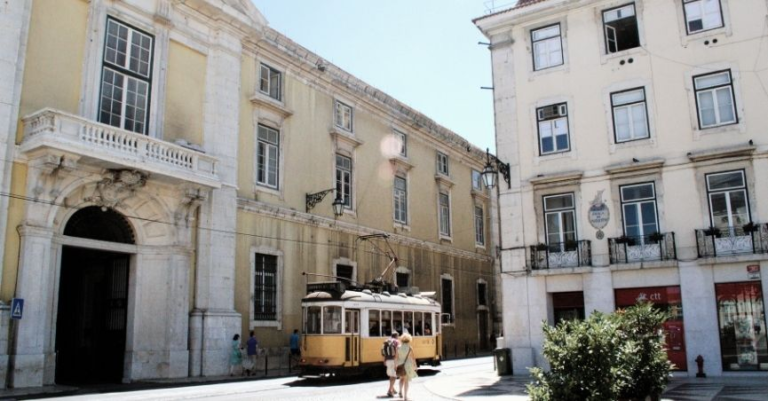
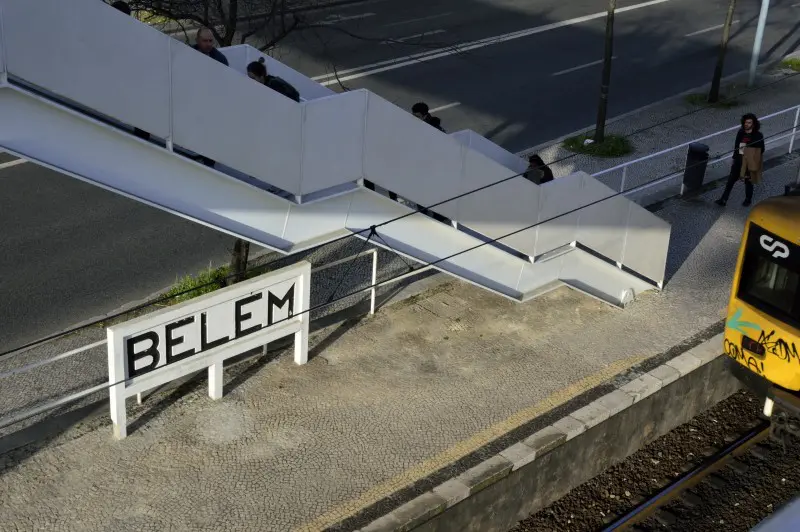
The suburban train from Cais do Sodré station takes approximately 15 minutes and drops you right in Belém — the easiest and most practical option. Covered by the Lisboa Card. Tram 15E from the city centre is a slower but more atmospheric alternative if you prefer staying above ground.
Start: Pastéis de Belém
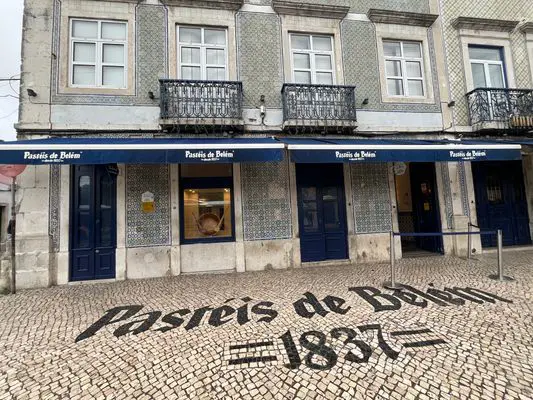
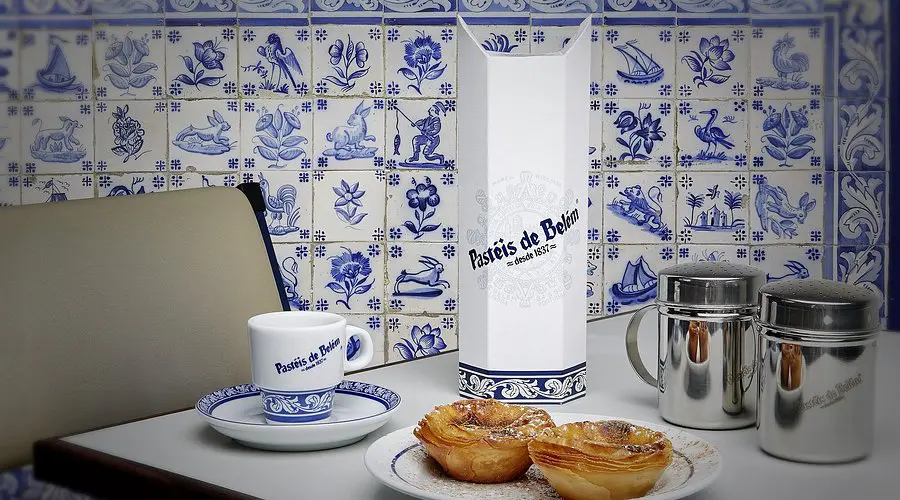
The original. Operating since 1837, allegedly still using the recipe developed by the monks of the adjacent Jerónimos Monastery — a recipe that is, genuinely, a trade secret. The bakery’s official name is Pastéis de Belém; the version sold everywhere else in Lisbon is technically called a pastel de nata. Whether this distinction matters to your taste buds is one of Lisbon’s great ongoing debates.
Here’s my verdict after two visits: yes, there is a difference. The Belém version has a more pronounced caramelization on the custard surface, and the pastry is flakier and crisper than most versions you’ll find in the city. Whether that justifies the queue is a personal call. The queue moves faster than it looks.
Order at the counter, dust with cinnamon and powdered sugar as instructed, and eat immediately. The second one is also mandatory.
Tip: The bakery gets very busy by mid-morning. Arrive early or accept the queue as part of the experience.
Jerónimos Monastery
Walk five minutes from the bakery and give yourself considerably more time than you think you’ll need.
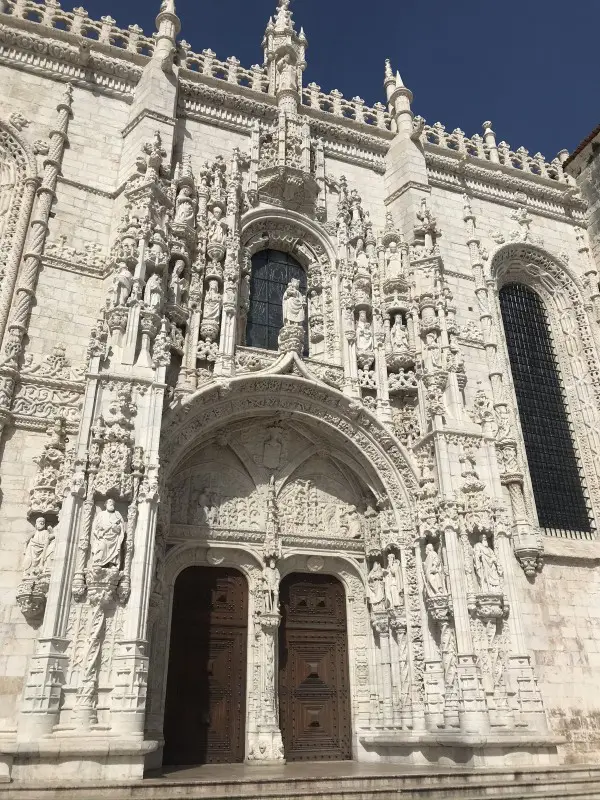
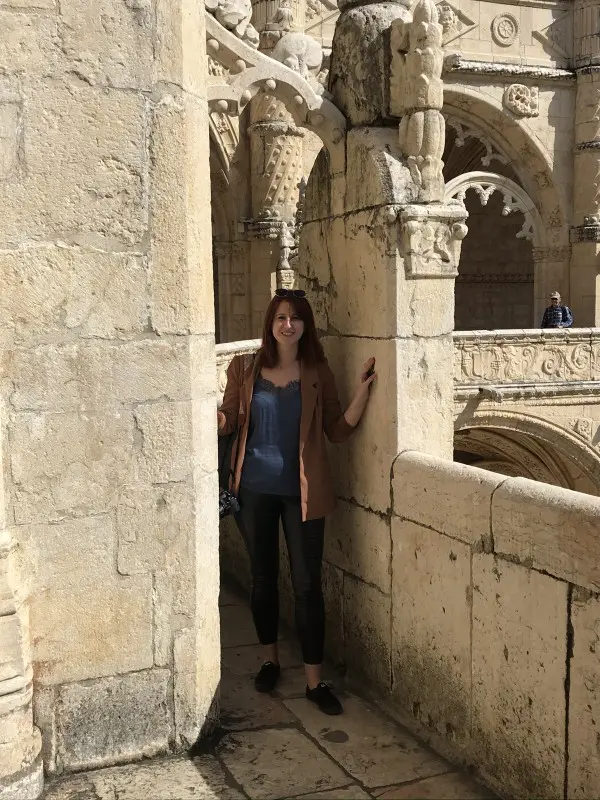
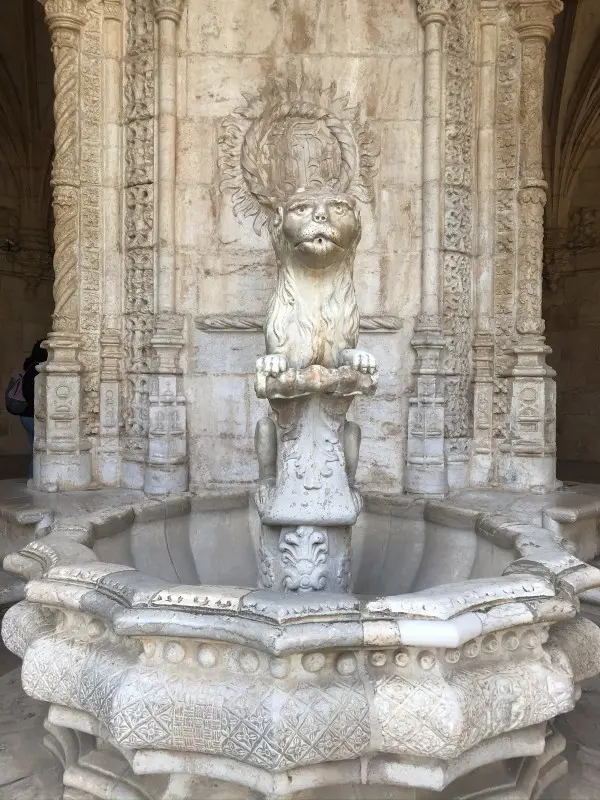
The monastery was commissioned by King Manuel I in 1501 to give thanks for Vasco da Gama’s successful voyage to India — built, in part, with the profits of that trade. Construction continued for a century. The result is the finest example of Manueline architecture in Portugal — a late-Gothic style unique to the country that incorporated maritime motifs into stonework: ropes, coral, armillary spheres, anchors, exotic animals. The sea made Portugal rich; the sea made it into architecture.
The exterior is where most people stop and stare. The south portal — the main entrance — is a vertical cascade of carved stone so dense and detailed it takes several minutes to properly absorb. I’ve visited twice and still found myself standing in front of doorways just looking at them. Up close, the individual elements become legible: a twisted rope here, a coral branch there, a sphere representing the celestial navigation that made the voyages possible.
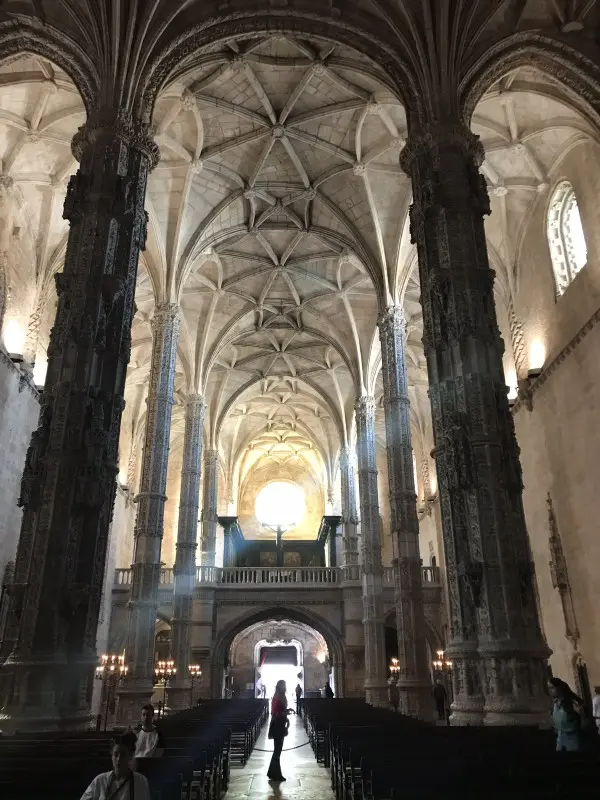
The interior nave is impressive — soaring vaulted ceilings, slender columns — though if you’ve come from the exterior, the relative restraint of the nave can feel slightly anticlimactic. Note the tombs: Vasco da Gama lies here, and so does Luís de Camões, Portugal’s greatest poet, whose epic Os Lusíadas immortalized the age of exploration in verse. Two of the most significant figures in Portuguese history, in the same building, in the church, helped make it possible.
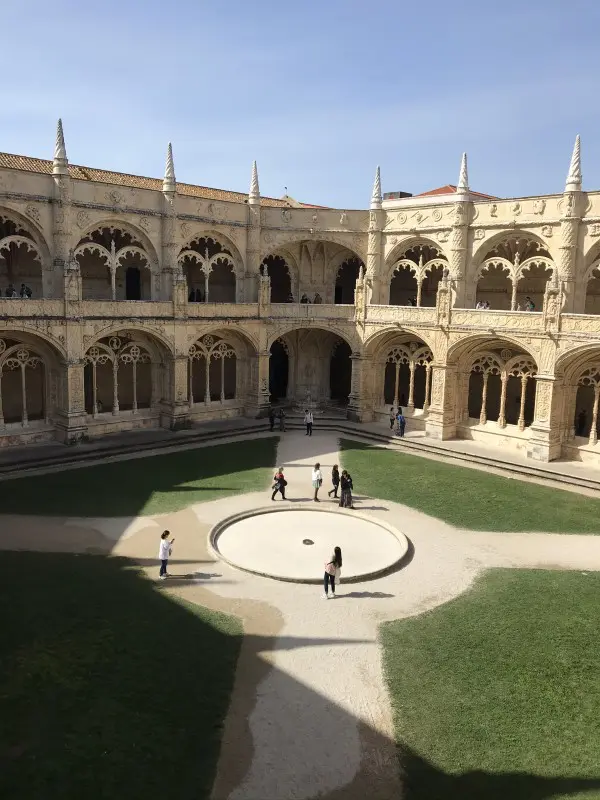
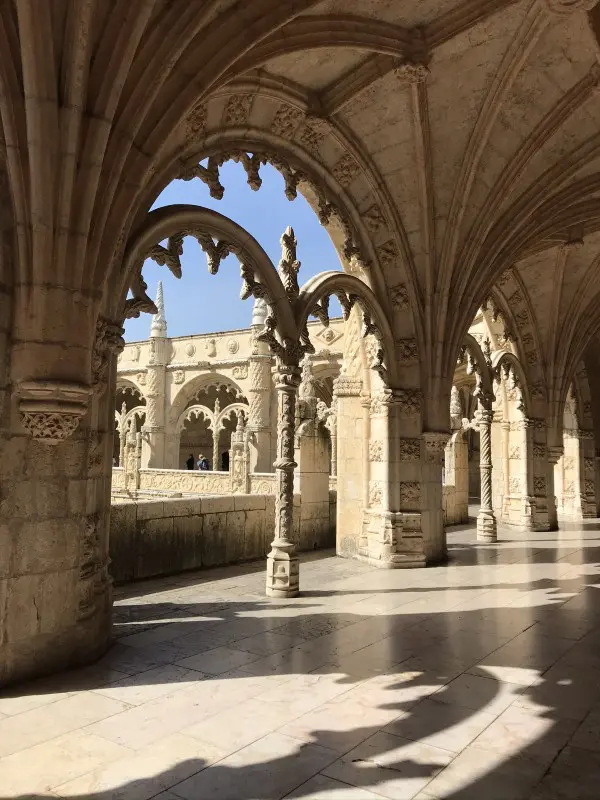
The cloister is the reason to come. Two storeys of Manueline arches surrounding a central garden, the stone carved with the same maritime intricacy as the exterior but in an enclosed space where the light falls differently at every hour. The symmetry, the layered stone, the garden at the centre — it is one of the most beautiful interior spaces I’ve encountered anywhere. Give it time. Walk the full perimeter twice.
Entry is free with the Lisboa Card. Without it, €10 per person. Allow at least 90 minutes.
Lunch: Waterfront Cafés and Food Trucks
From the monastery, walk toward the river. A string of small cafés and food trucks lines the riverfront. The location — Tagus on one side, the bridge visible in the distance — makes anywhere feel like the right choice.
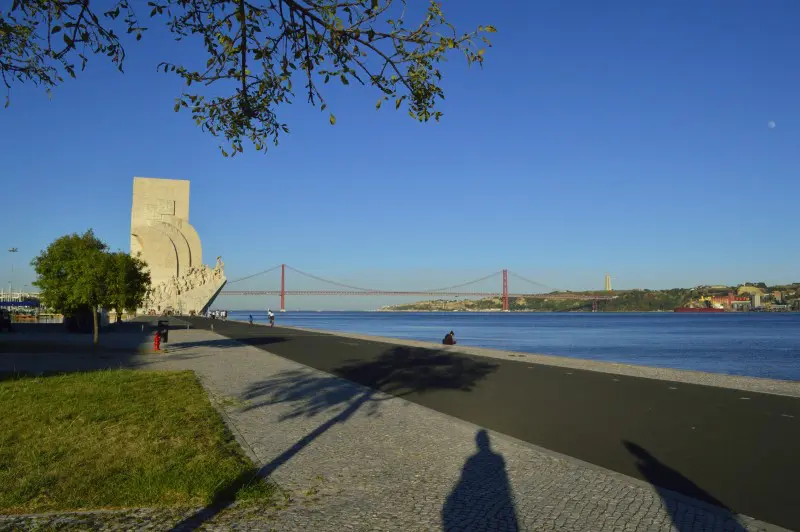
Speaking of the bridge: you’ll notice it looks remarkably like the Golden Gate Bridge in San Francisco. That’s not a coincidence. The Ponte 25 de Abril was built by the same American company that constructed the San Francisco-Oakland Bay Bridge, with its design explicitly inspired by the Golden Gate. It was completed in 1966 and at the time, was the longest suspension bridge in Europe.
The parallels between Lisbon and San Francisco run deeper than one bridge — both cities are built on seven hills, both have iconic suspension bridges, both have historic tram systems, both are defined by fog rolling in off the water, and both had their modern urban layout shaped by a catastrophic earthquake. Travel writer Rick Steves has noted the comparison so often it’s become something of a cliché — but standing on the Belém waterfront looking at that bridge, the resemblance is genuinely startling.
Belém Tower
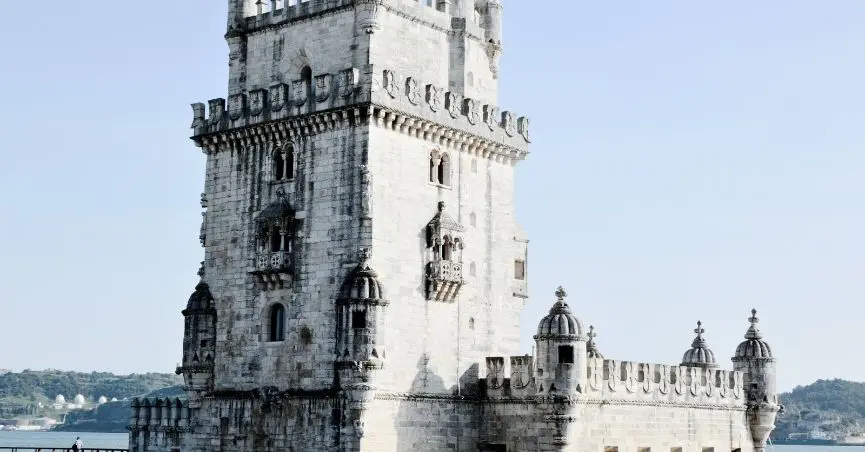
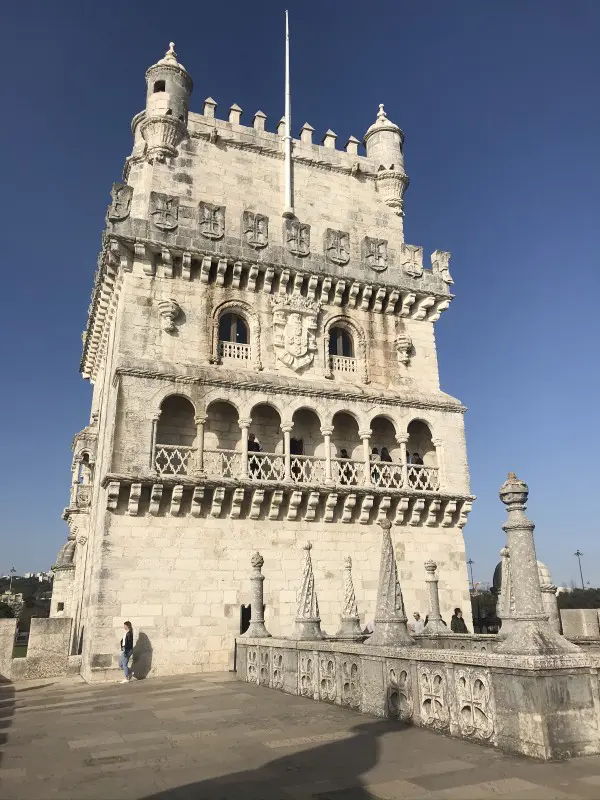
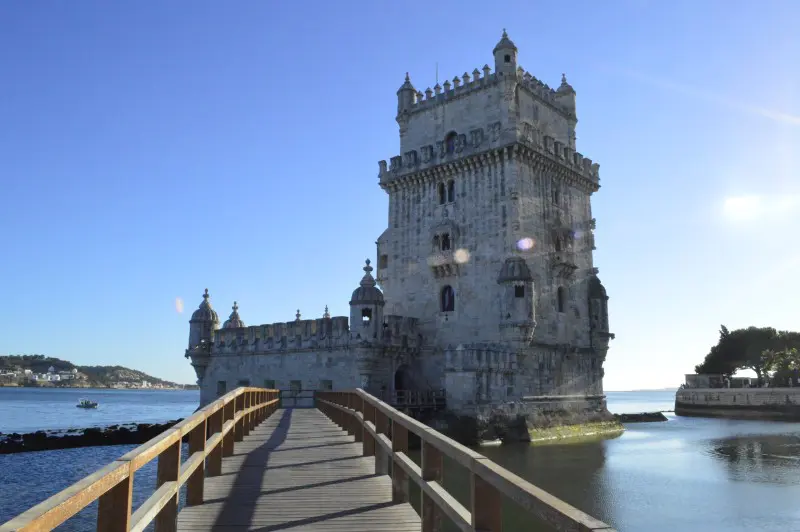
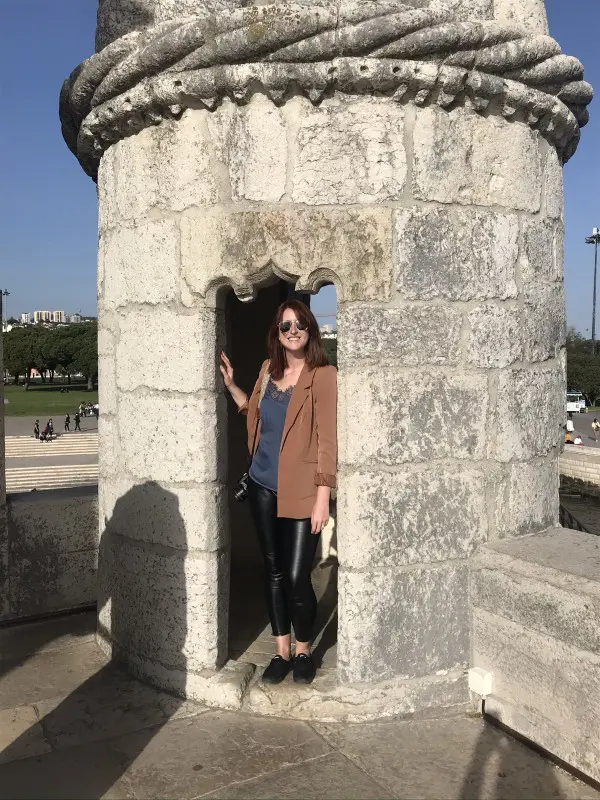
A short walk west along the riverbank, the Belém Tower sits in the water on what was once a small island — a 16th-century fortified tower built to defend the entrance to Lisbon’s harbour. It is one of the most photographed buildings in Portugal, and up close, it earns the attention.
The Manueline details on the exterior are extraordinary — balconies that project over the water, stone lacework that seems too delicate for a military fortification, and on the tower’s base, a carved rhinoceros that has become one of Lisbon’s most discussed architectural curiosities.
The rhinoceros has a story. In 1515, a live Indian rhinoceros arrived in Lisbon as a gift to King Manuel I — one of the first rhinos seen in Europe since Roman times. The king arranged a fight between the rhino and an elephant (the elephant fled). He then decided to send the rhino to Pope Leo X in Rome as a diplomatic gift. The ship stopped in Marseille, where King Francis I of France came to see it. Then the ship sank in a storm off the Italian coast, and the rhino died. A German artist named Albrecht Dürer heard about the animal, made a woodcut from a written description (he never saw it himself), and that woodcut became the dominant European image of a rhinoceros for the next two centuries. The carving on the Belém Tower is based on Dürer’s woodcut.
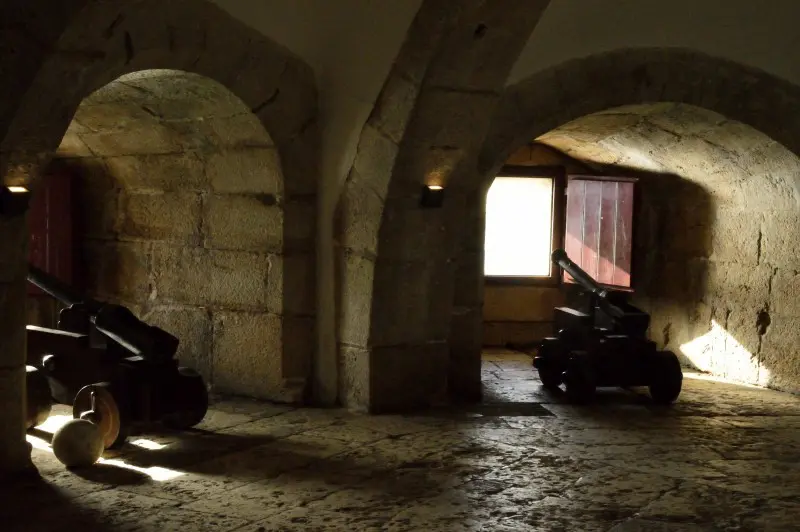
I visited the interior on my second trip. It is, genuinely, a tower — guardrooms, narrow staircases, stone walls. The exterior is the reason to come. Time your visit for late afternoon when the limestone takes on a warm golden glow and the crowds thin slightly. This is one of the better golden hours in Lisbon.
Padrão dos Descobrimentos — Monument to the Discoveries
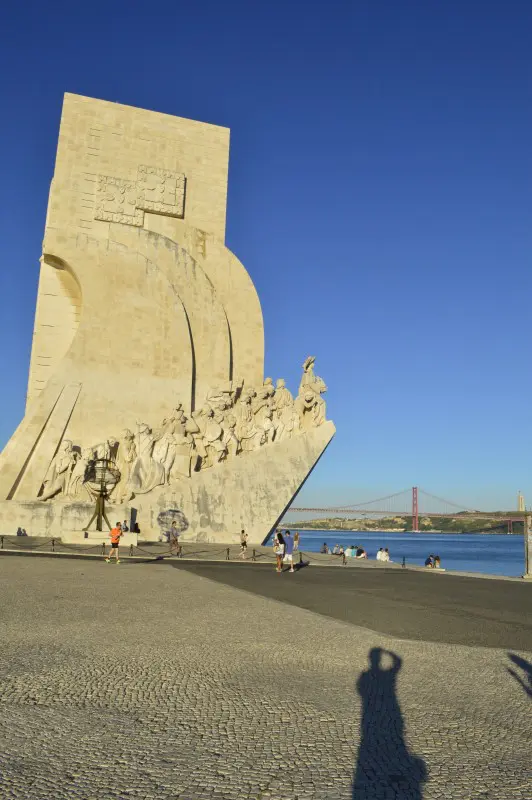
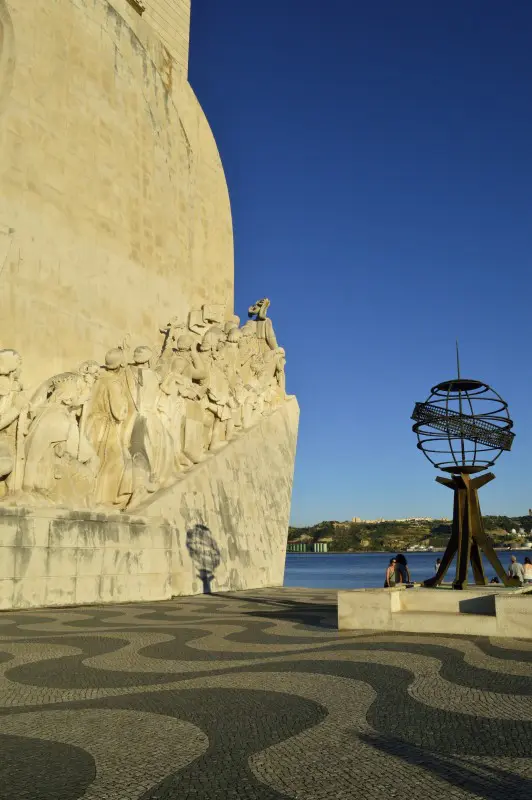
On your way back toward the train station, the Monument to the Discoveries rises from the waterfront like the prow of a ship, which is exactly what it was designed to evoke. Built in 1960 to mark the 500th anniversary of the death of Prince Henry the Navigator, it depicts 33 figures of the Age of Discovery ascending the prow: explorers, navigators, cartographers, missionaries, artists. Henry the Navigator leads at the front, holding a model ship.
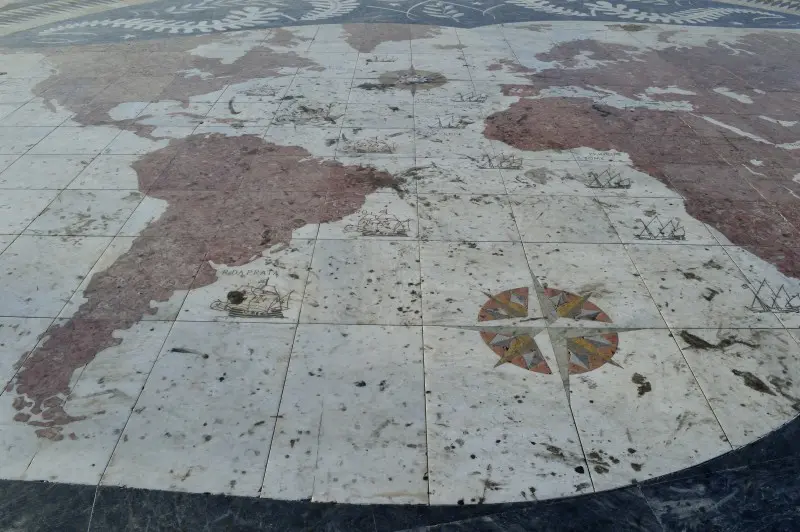
The tiled floor map surrounding the monument is the detail worth stopping for. It depicts the world as Portuguese explorers charted it in the 15th and 16th centuries — coastlines, trade routes, and the sea creatures that early cartographers placed at the edges of the known world. Every sea monster, every decorative flourish, represents the boundary of human knowledge at a specific moment in history. Stand on it for a moment and think about what it meant to sail toward those edges.
You can go up inside the monument to a viewing platform at the top — excellent views over the river and back toward the monastery. Worth the small entry fee if you want a different perspective on Belém from above.
If you have more time, consider these:
Jardim da Praça do Império — the formal gardens between the monastery and the river, with geometric hedges and good views back toward the monastery’s south facade. Good for a slow walk between sights.
Museum of Contemporary Art (MAAT) or Popular Art Museum — depending on your interests. The MAAT has a striking modern building right on the waterfront; the Popular Art Museum covers Portuguese folk traditions in a more traditional format.
LX Factory — on the route back toward central Lisbon, worth a stop if you’re returning in the afternoon. A former industrial complex repurposed into independent shops, restaurants, street art, and what is reportedly one of the most beautiful bookshops in Lisbon: Ler Devagar, where a bicycle hangs from the ceiling among the shelves. The Sunday market is particularly good. On the list for a future visit — recommended by friends who know Lisbon well.
End the Day: Time Out Market
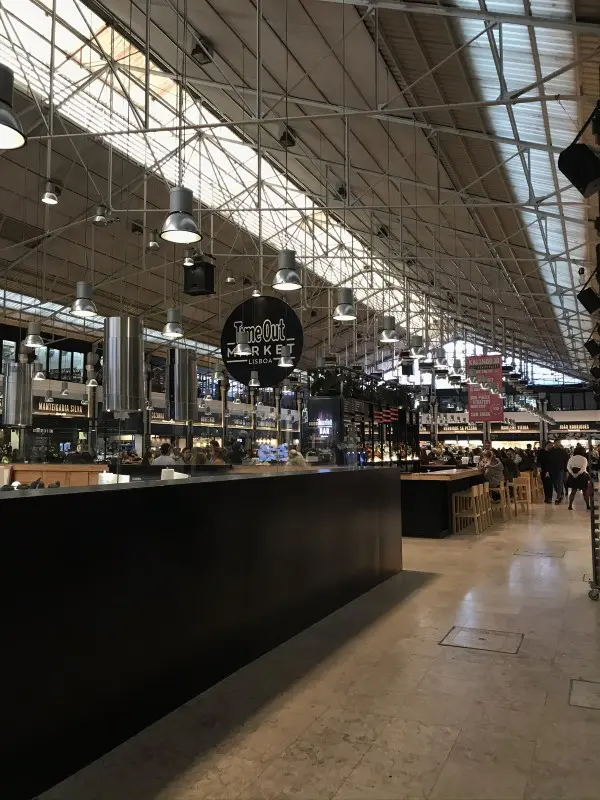
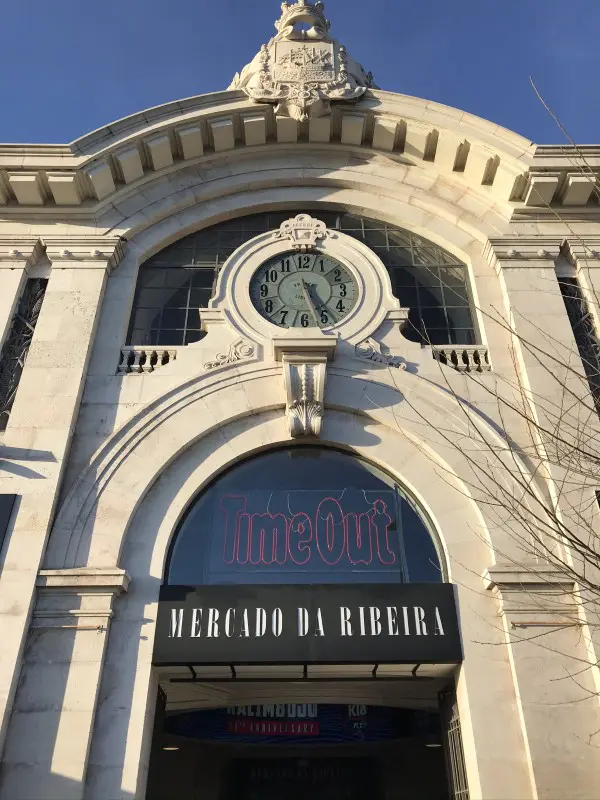
Back in Cais do Sodré — conveniently where you arrived by train — the Time Out Market is the right way to end a Belém day. A converted market building housing the best of Lisbon’s restaurant scene under one roof: dozens of stalls representing the city’s top chefs, communal tables, the general pleasant chaos of a place where everyone is eating something different and most of it looks good.
The format is market-style — you order from individual stalls and find a seat. A glass of Vinho Verde alongside something from the grill is a reliable combination. We tried several stalls across two visits and found it difficult to go wrong.


Plan This Trip
Belém is easily combined with a Lisbon city stay — it’s 15 minutes by train and a natural full day or half-day addition to any Portugal itinerary.
| Getting to Lisbon | Fly into Humberto Delgado Airport (LIS) — well connected from most European hubs |
| Train to Belém | From Cais do Sodré — 15 minutes, covered by Lisboa Card |
| Where to stay in Lisbon | Search for accommodation in Lisbon |
| Book a Belem Tour | highly rated GetYourGuide Belem tour |
| Full Lisbon itinerary | Lisbon 2–6 day guide here |
If you only have a morning: Pastéis de Belém → Jerónimos Monastery (cloister especially) → Monument to the Discoveries. That’s 3–4 hours well spent.
If you have a full day: Add Belém Tower in the afternoon, lunch at the waterfront, LX Factory on the way back, Time Out Market for dinner.
Pin me for later…
More Iberian Peninsula posts: