2 Days in Athens — How to See the Best of the Ancient City
I’ve been to Athens twice — once in 2010, arriving by ship into Piraeus from Bari, and again in 2019, arriving by air. Both times: busy terminal, dry heat, the particular sensory overwhelm of a city that doesn’t ease you in gently. Neither arrival felt especially Greek. The language on signs, the different alphabet — yes. But the feeling of oh, I’m here didn’t arrive until the first glimpse of the Acropolis rising above the rooftops. That’s when you realize where you are.
Between those two visits, the city felt noticeably different. In 2010, it felt rougher around the edges — louder, more worn down. By 2019, it had a different energy: cleaner, greener, more alive in its neighbourhoods. It could be that we stayed in different areas, but something had shifted. The bones were the same — ancient, layered, occasionally chaotic — but the city around them felt more confident.
Athens is loud. It’s busy. In summer, it is aggressively hot — the kind that radiates up from the pavement and back off the buildings so you feel surrounded by it. And it is absolutely worth two full days of your time (if not more), especially if you love history, because nowhere else will make you feel quite so small in the best possible way.
If Athens is your gateway to the Greek Islands — and for most international travellers it is, given the airport and the ferry connections out of Piraeus — then think of these two days as setting the stage. The islands will dazzle you with colour and ease. Athens will make you think. Both have their place.
Athens at a Glance
Duration: 2-3 days
Best time to visit: Spring (April–May) or autumn (September–October) to avoid peak heat
Golden rule: Start by 8am — beat the cruise crowds, the midday heat, and the worst of the direct sun
Day 1 focus: Ancient Athens — Acropolis, museums, Plaka, rooftop sunset
Day 2 focus: Agora, local neighbourhoods, Lycabettus Hill, final dinner with Acropolis views
A BIT OF BACKGROUND
Athens is one of the oldest cities in the world, continuously inhabited for over 3,000 years. The Acropolis — the rocky outcrop at the city’s heart — has been a place of worship, defence, and civic identity since the Bronze Age. The golden age of ancient Athens, the 5th century BC, gave the world democracy, philosophy, and the Parthenon. What remains today is a city built in layers on top of all of that, which means ancient ruins surface unexpectedly around corners, beneath modern buildings, and in the middle of neighbourhoods going about their daily business.
It is also, in summer, extremely hot. These two facts shape how you should approach the city entirely.
THE TWO-DAY ITINERARY
Day 1: Ancient Athens
The Acropolis — Start Here, Start Early
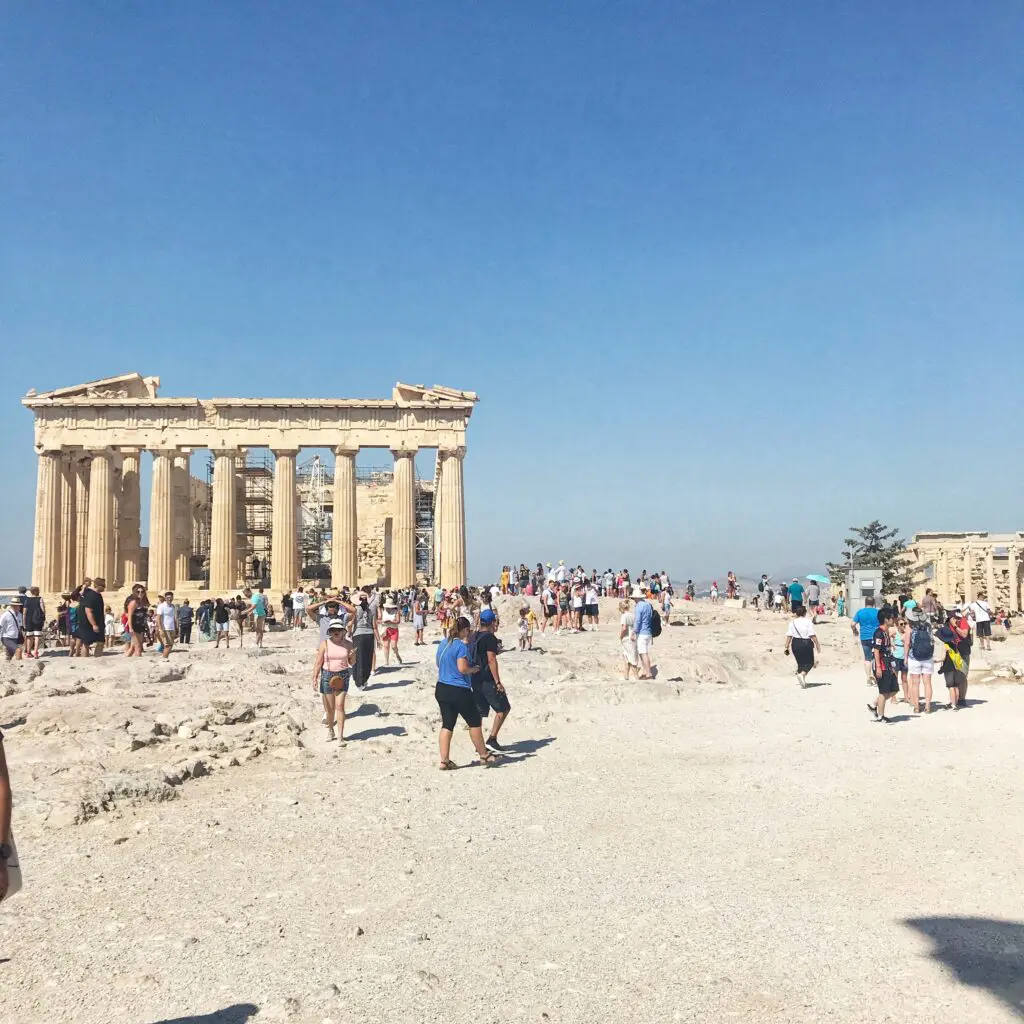
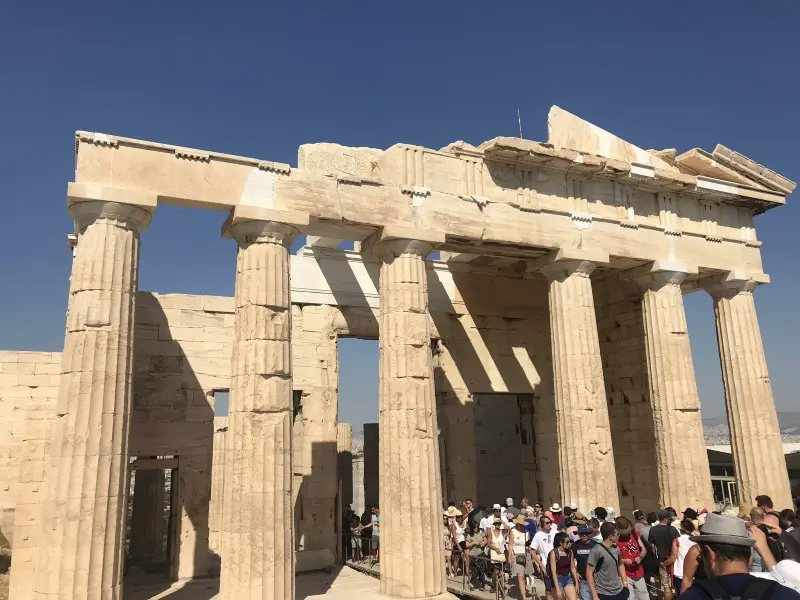
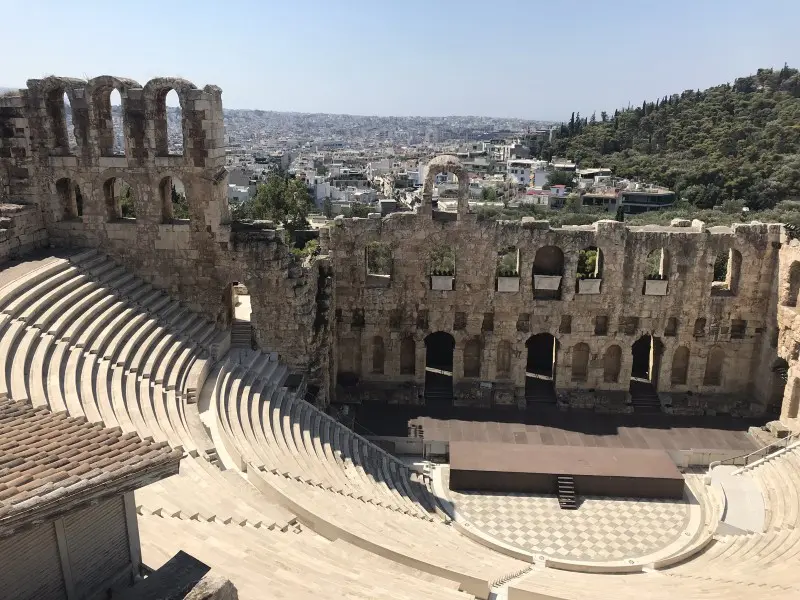
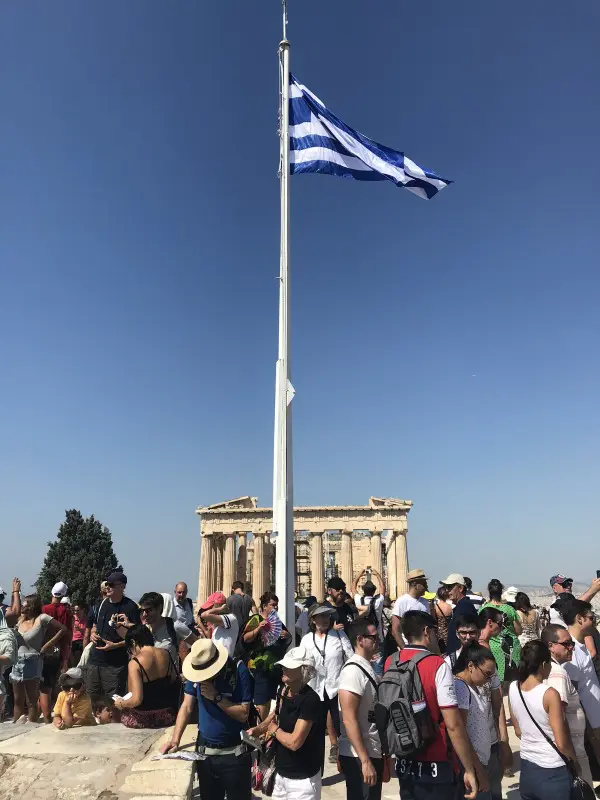
If there’s one non-negotiable about spending 2 days in Athens, it’s this: be at the Acropolis gates at 8 am, or as close to it as you can manage. The cruise ship crowds arrive mid-morning, and the heat becomes genuinely punishing by midday. Early is not a suggestion.
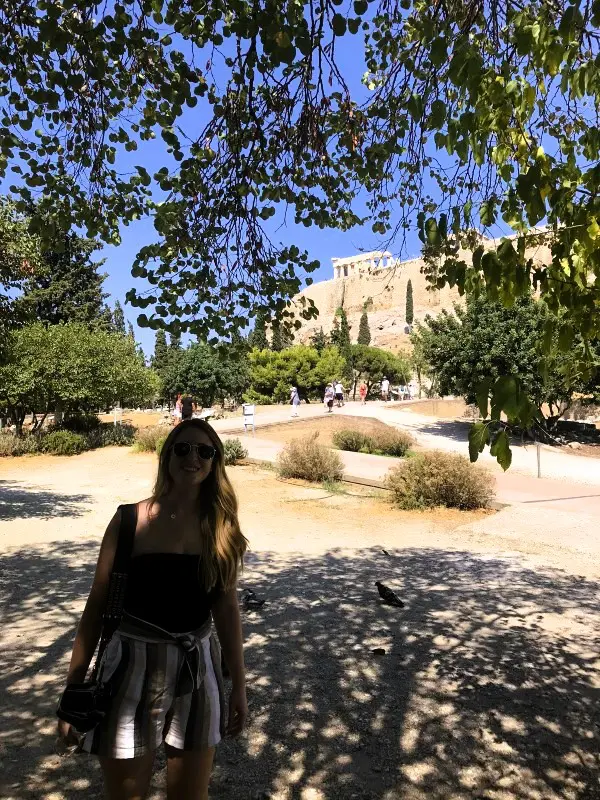
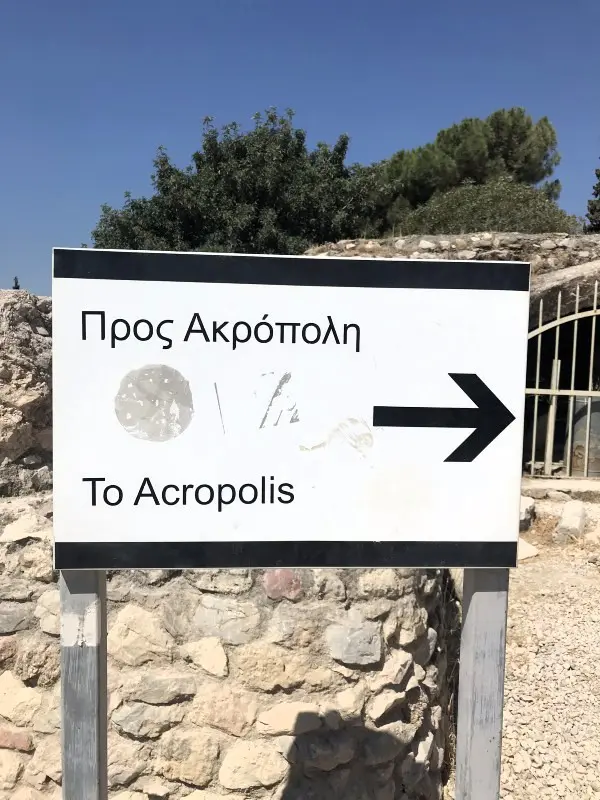
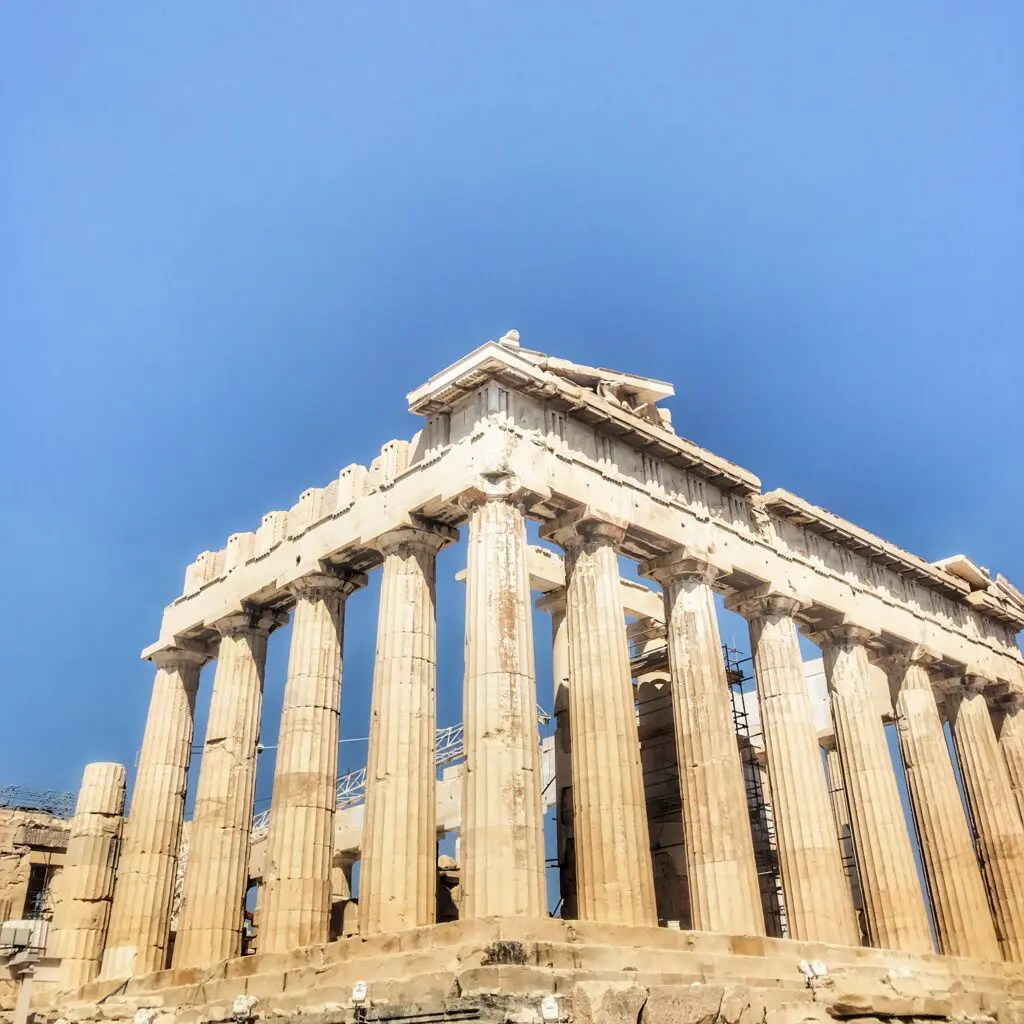
The walk up is more of a climb than first-timers expect — a proper ascent over uneven stone that, the second time I did it, felt less like a tourist attraction and more like a pilgrimage. You have to work to get there, which feels appropriate for a place that was once the spiritual centre of an entire civilization. By the time the effort and the crowds start to wear on you, you’re at the top — and then there’s a moment, even with people around you, where you look up at the Parthenon and go, “Oh”.
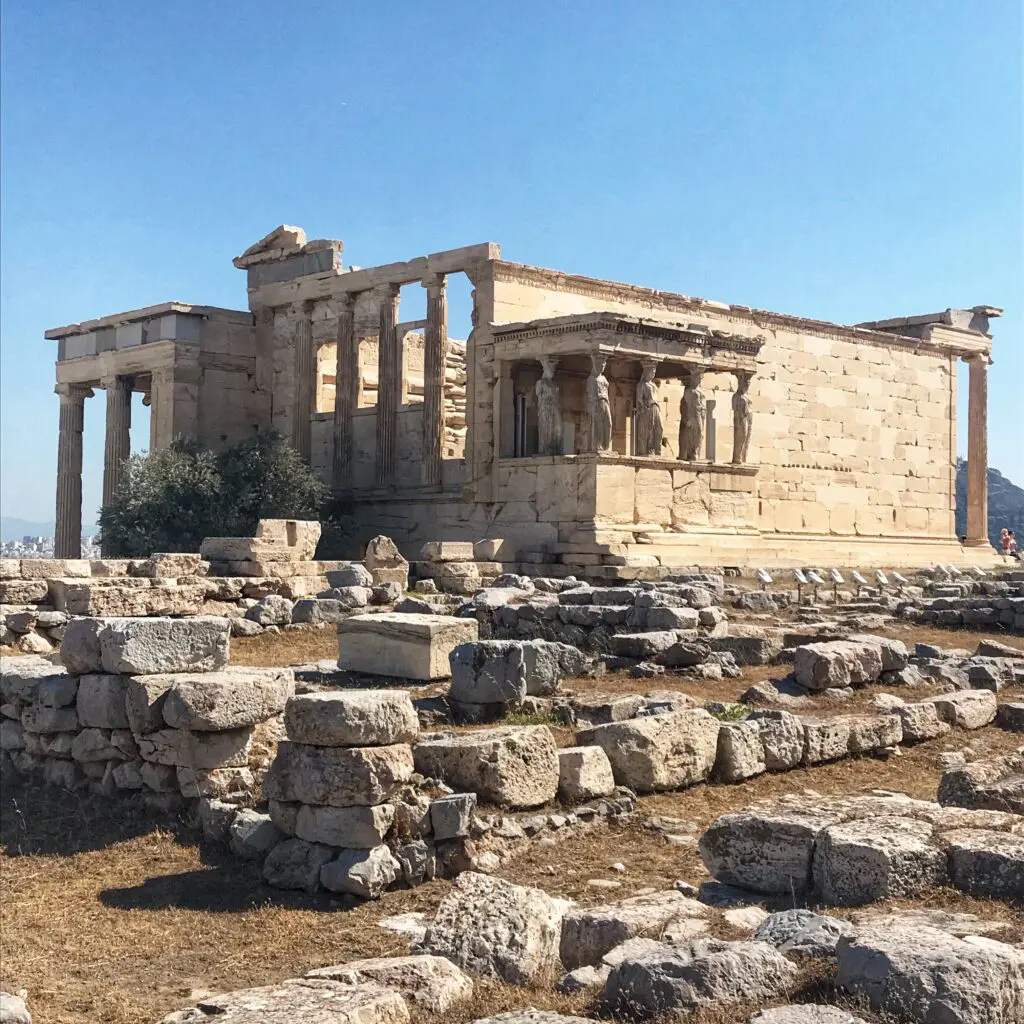
The Parthenon dominates by sheer scale. But personally, the Erechtheion won me over — the Porch of the Caryatids, with its four column-women holding up the roof, feels more intimate and detailed. More human, somehow, in a place that otherwise deals in the monumental. If the Parthenon had survived in its full painted, gilded glory, it might be different — but as it stands, the Erechtheion is the one I kept returning to.
Allow 1.5–2 hours and get the audio guide with your ticket. The ruins are more legible with context, and the context is fascinating.
Tip: Even in the early morning, find the shade when you can. The heat radiates off the stone, and there is almost none on the way up.
Acropolis Museum
A 10-minute walk from the Acropolis entrance, the museum is one of the best reasons to visit Athens beyond the ruins themselves. It’s modern, well-curated, and — critically — air-conditioned. Allow 1–1.5 hours. It contextualizes everything you’ve just seen on the hill above and fills in the gaps that centuries of weathering and removal have left behind.
Outside the museum, food stalls and buskers were playing traditional music when I visited — the smell of grilled food, some shade, a good excuse to decompress before the next stop.
Temple of Zeus & Hadrian’s Arch
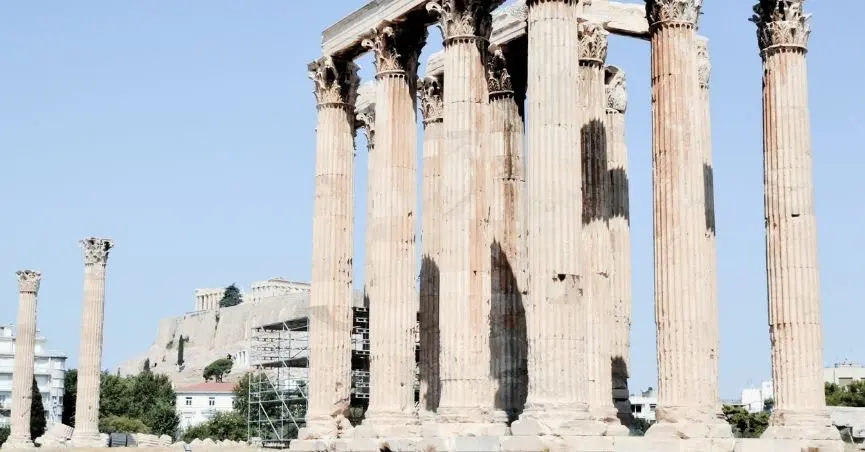
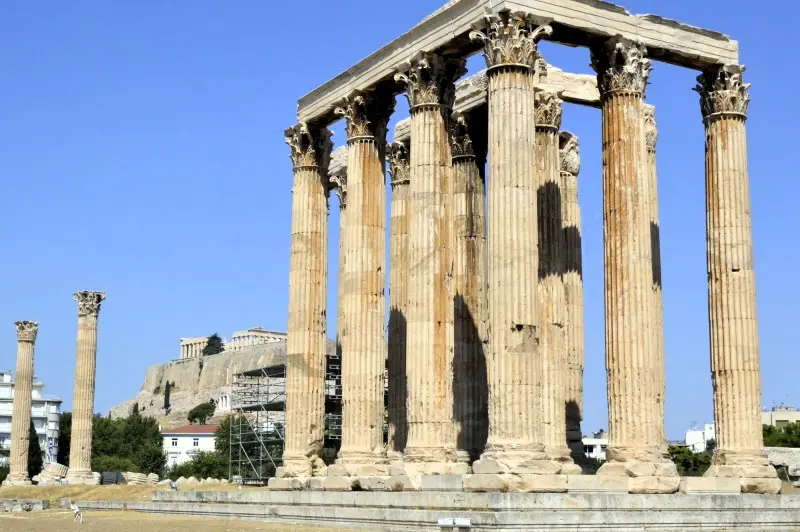
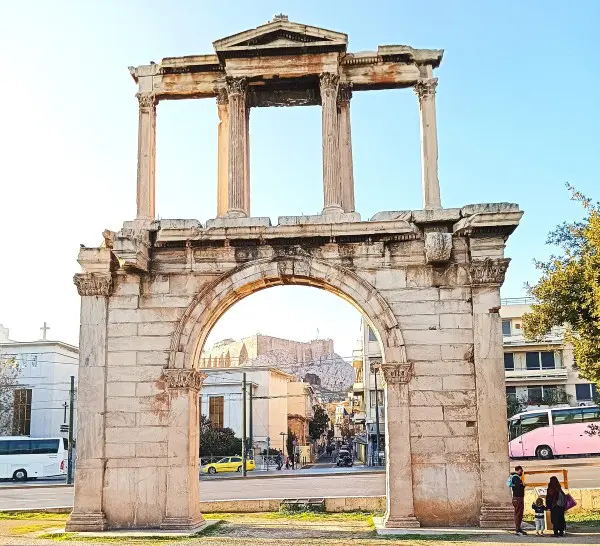
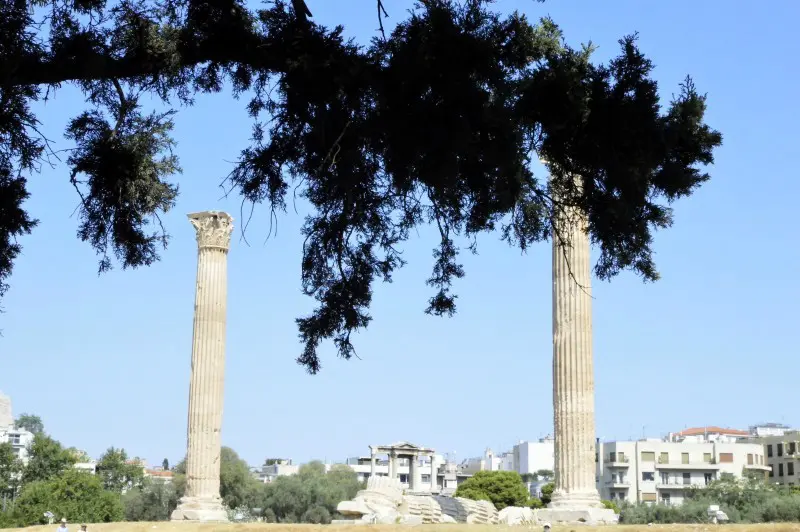
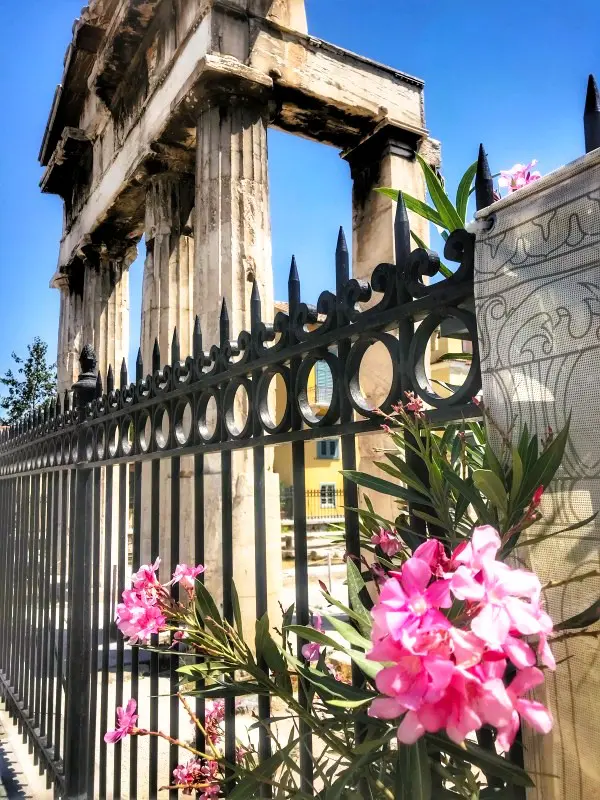
About 10–15 minutes on foot from the Acropolis entrance, the Temple of Zeus is a quick stop that rewards the detour. Only a fraction of the original columns remain standing, but they are enormous, and framed against the Acropolis in the background, they make for one of the better photography angles in the city. Hadrian’s Arch sits just beside it, marking the boundary between ancient and Roman Athens. These old structures are rarely larger than buildings we pass every day without a second glance — it’s the open space around them, and the knowledge of what they are and how long they’ve stood, that makes them stop you.

Plaka & Anafiotika — The Midday Wander
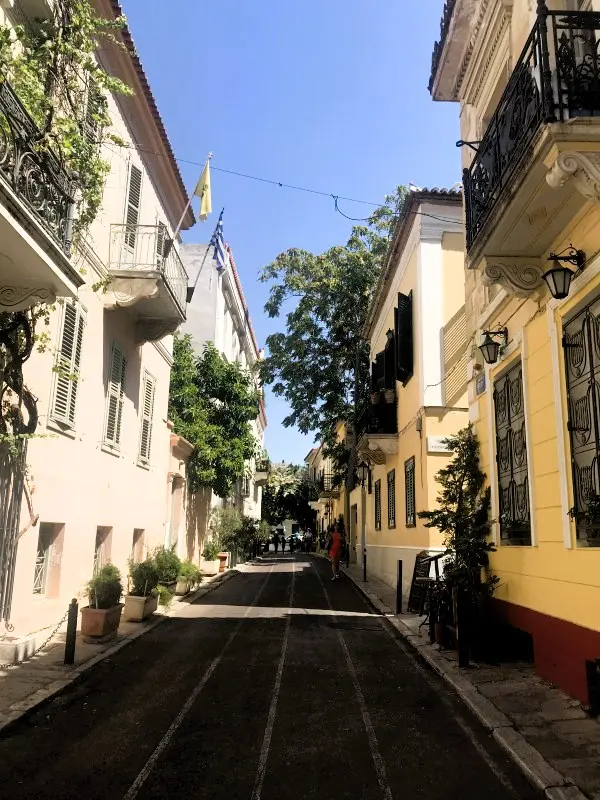
This is the part of the day to slow down deliberately. Plaka is Athens’ oldest neighbourhood, a tangle of narrow lanes climbing the slopes beneath the Acropolis, and it’s best approached without much of a schedule.
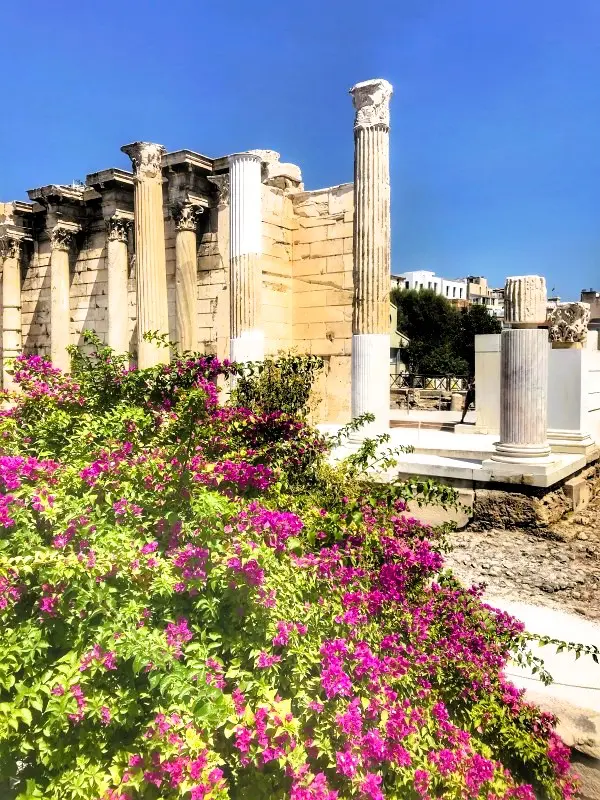
The real find is Anafiotika — a tiny whitewashed enclave tucked into the hillside that feels more Cycladic island than city. Bougainvillea in deep purple and white takes over the walls and fences with an intensity that photographs can’t quite capture. Blue doors, steep staircases, the occasional cat. It’s quieter than the rest of Plaka and worth seeking out specifically rather than stumbling across.
Wander Adrianou Street, climb the Mnisikleous stairs, and stop for a coffee. This is also a good stretch to work in Hadrian’s Library — it surfaces naturally as you turn a corner and doesn’t need more than 20–30 minutes.
Tip: The afternoon heat in Athens is serious. If your schedule allows, a hotel rest or a long, slow lunch somewhere shaded is not laziness — it’s strategy.
Evening: Monastiraki & Rooftop Sunset
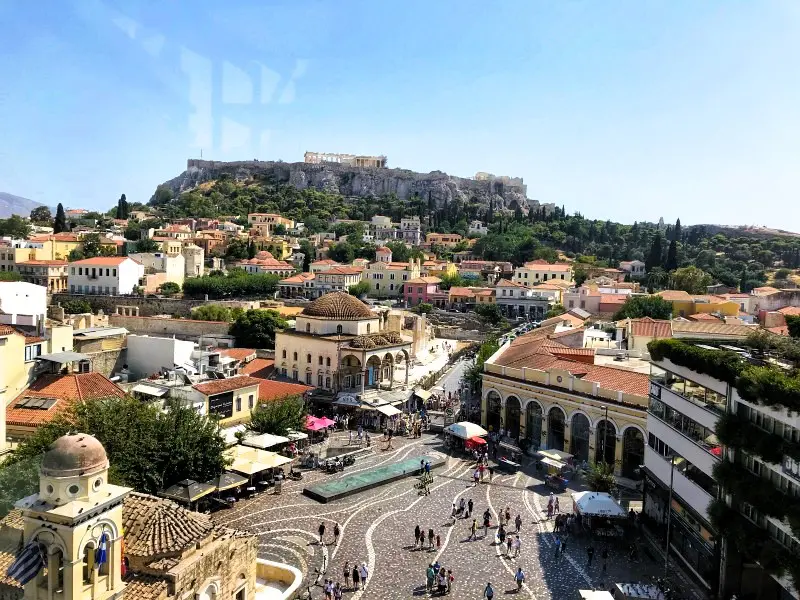
Monastiraki Square is worth an early evening wander — the flea market spills into surrounding streets with antiques, leather sandals, souvenirs, and the kind of browsing that doesn’t require you to buy anything. The 18th-century Tzistarakis Mosque anchors the square, and the small Byzantine Church of the Pantanassa — 10th century, tucked into the corner — gives the neighbourhood its name.
For sunset, head to a rooftop bar. The Acropolis, lit up against the evening sky, is one of those views that earns its reputation. A for Athens, 360 Cocktail Bar, and Couleur Locale are all solid choices with strong Acropolis sightlines.
For dinner, Kalamaki in the Monastiraki area is quick, unpretentious, and delicious — gyros and souvlaki done properly.
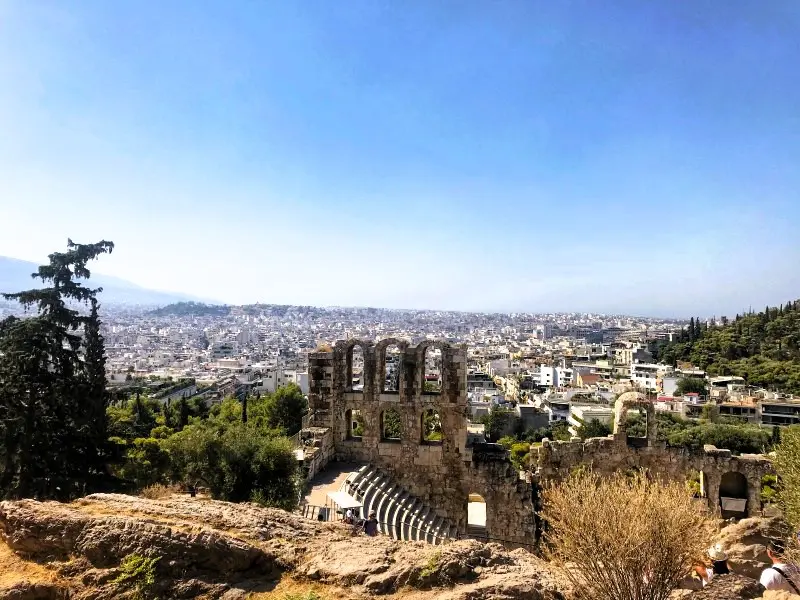
Alternatively, Areopagus Hill, right beside the Acropolis entrance, is a low-effort viewpoint that locals actually use. No bar tab required, excellent photography angles, and a completely different atmosphere from the rooftop scene.



Day 2: Neighbourhoods & Heights
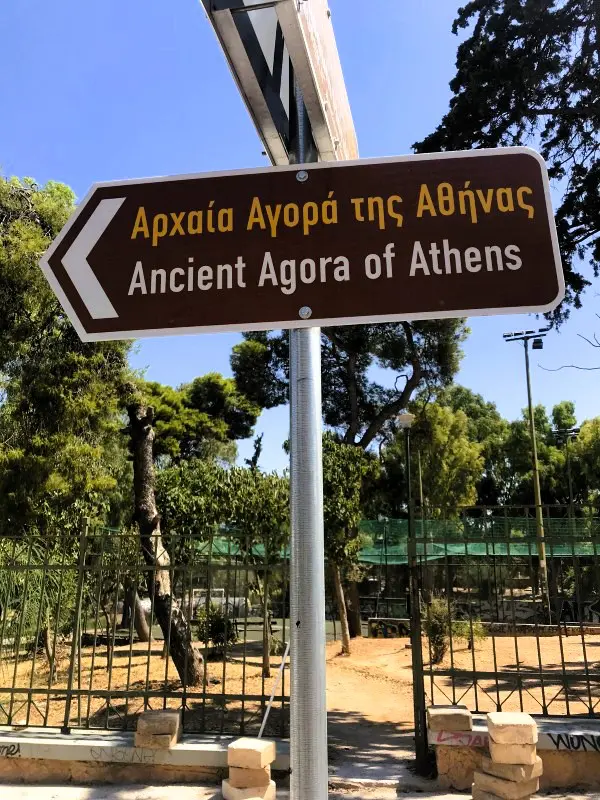
Ancient Agora — Start Around 9 am
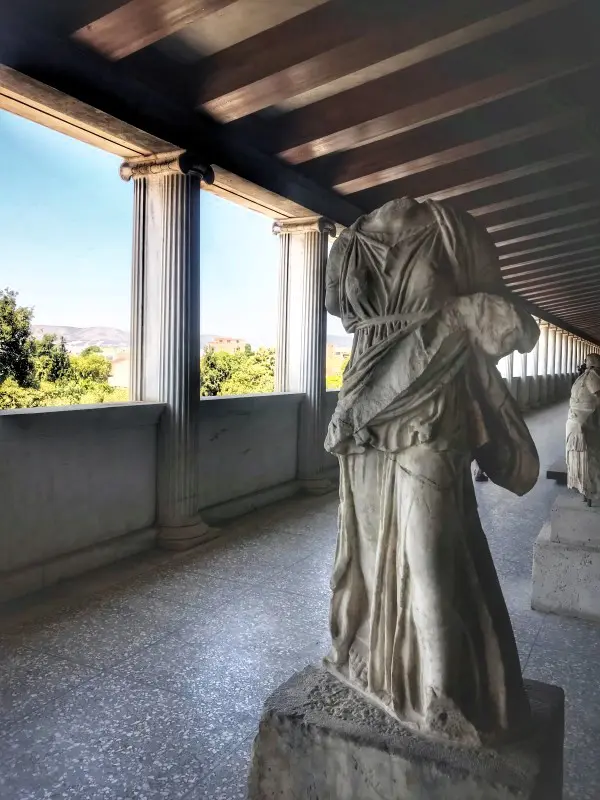
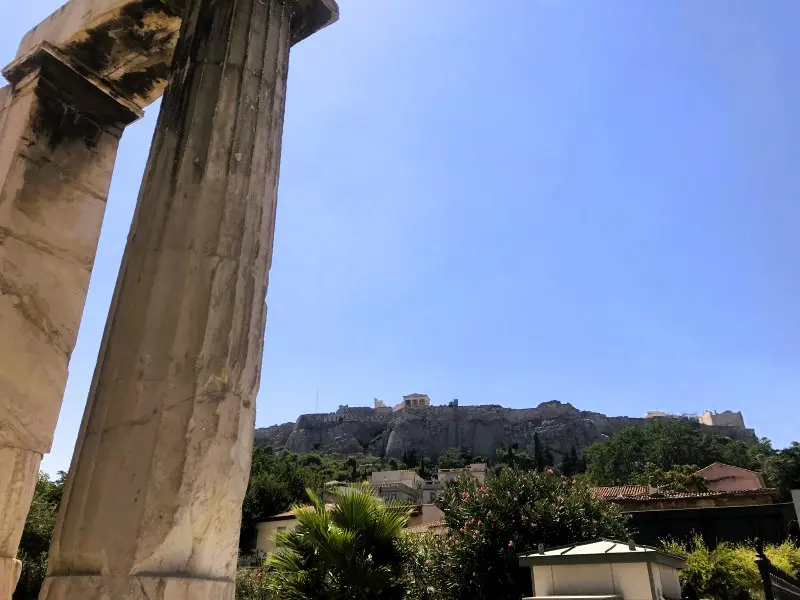
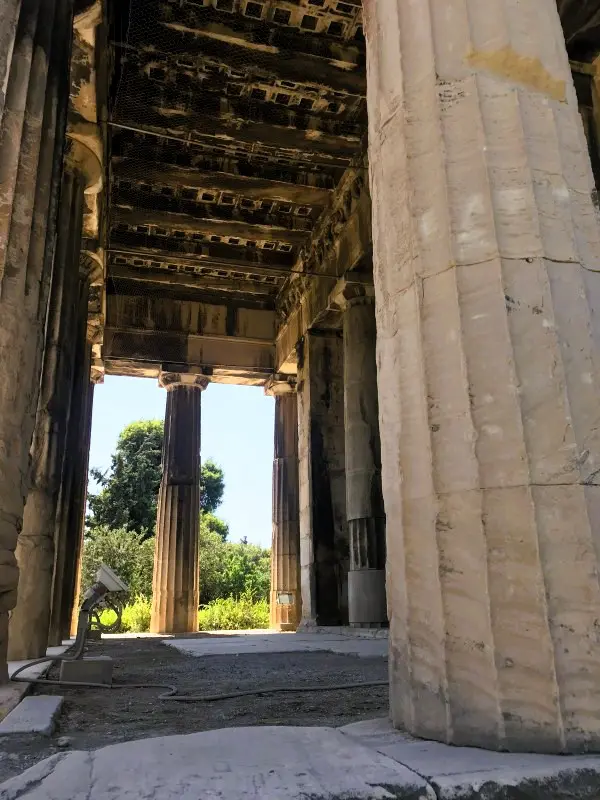
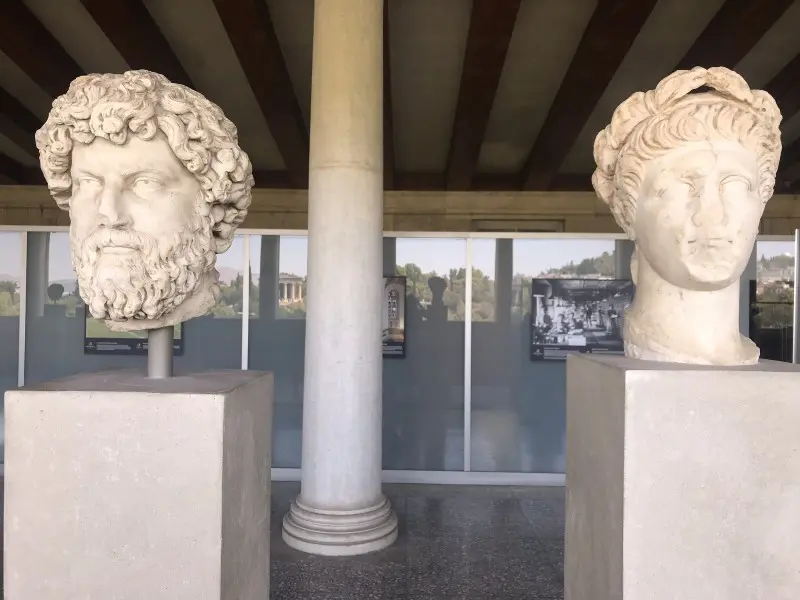
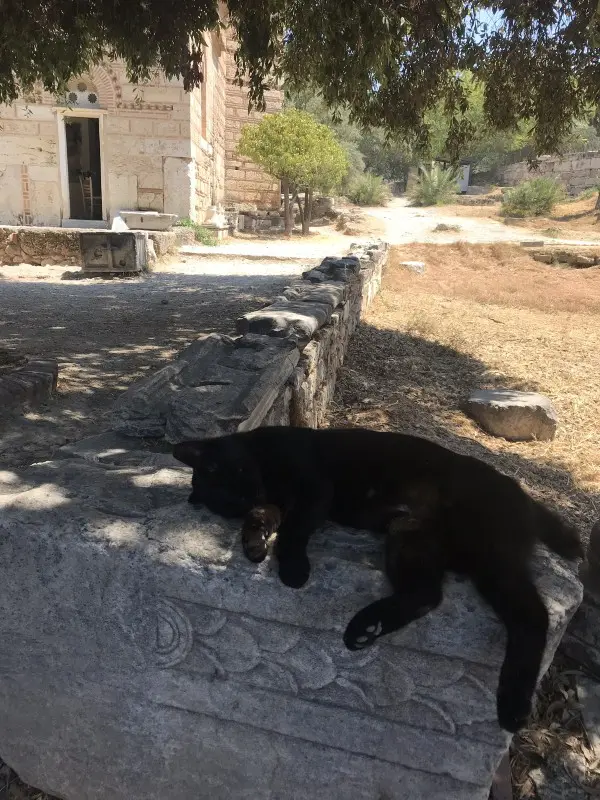
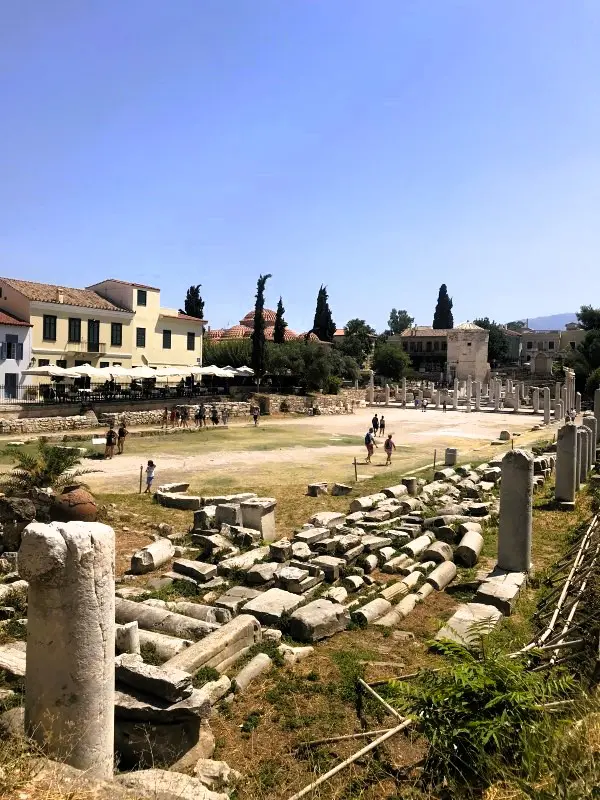
The Agora is a gentler start than the Acropolis — shaded walking paths, ruins woven into greenery, and a slower atmosphere that makes it easier to linger. Allow 1.5–2 hours.
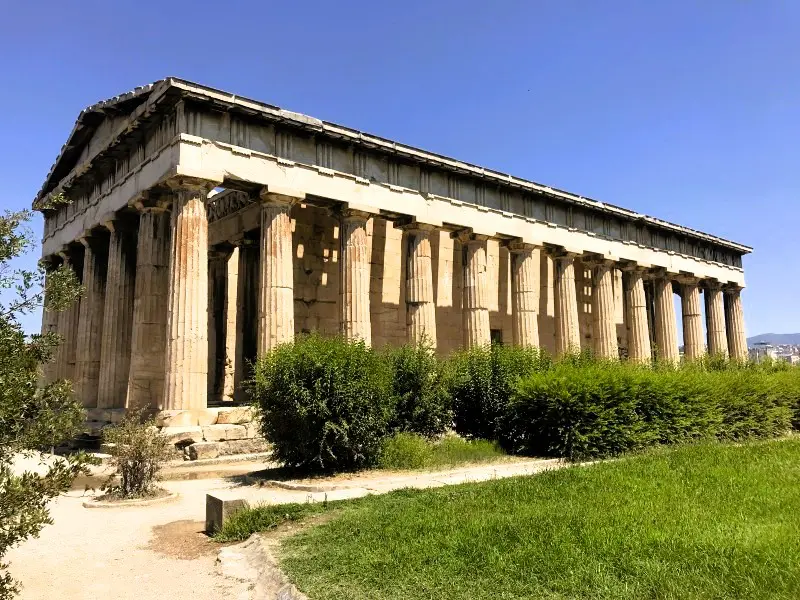
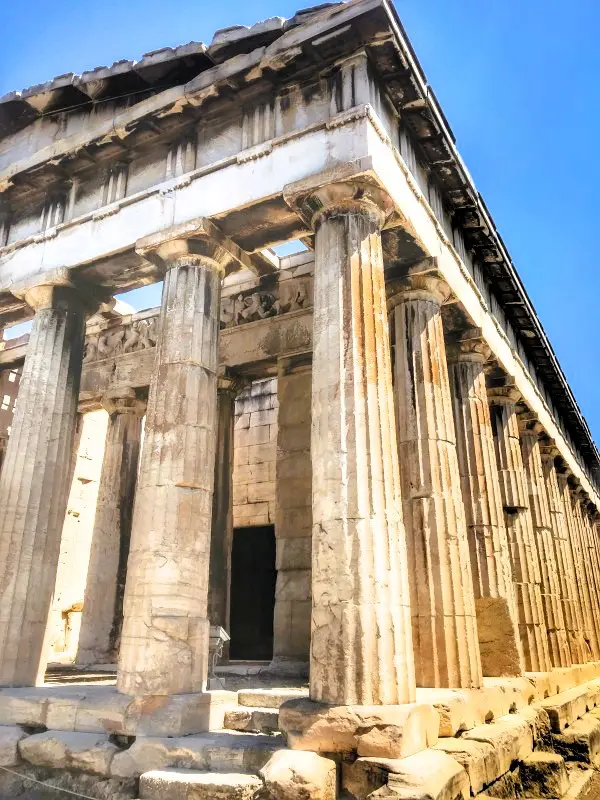
The highlight is the Temple of Hephaestus, one of the best-preserved ancient Greek temples in existence. It sits above the Agora with excellent Acropolis views and is notably less crowded than the sites you covered yesterday. Worth the time.
Psiri Neighbourhood
A short walk from the Agora, Psiri is the antidote to Plaka’s tourist polish. More local in feeling, with street art, independent cafes, creative energy, and tavernas that aren’t angling for passing cruise ship traffic. Good for a long lunch and a coffee. Antica Restaurant & Cafe is worth considering — it’s on the tourist-adjacent strip but has a shaded patio with fans and misting, which on a hot Athens afternoon is basically a superpower.
Late Afternoon: Mount Lycabettus
The metro from Psiri gets you there without burning the leg energy you’ll want for the hill itself. Time your arrival for golden hour.
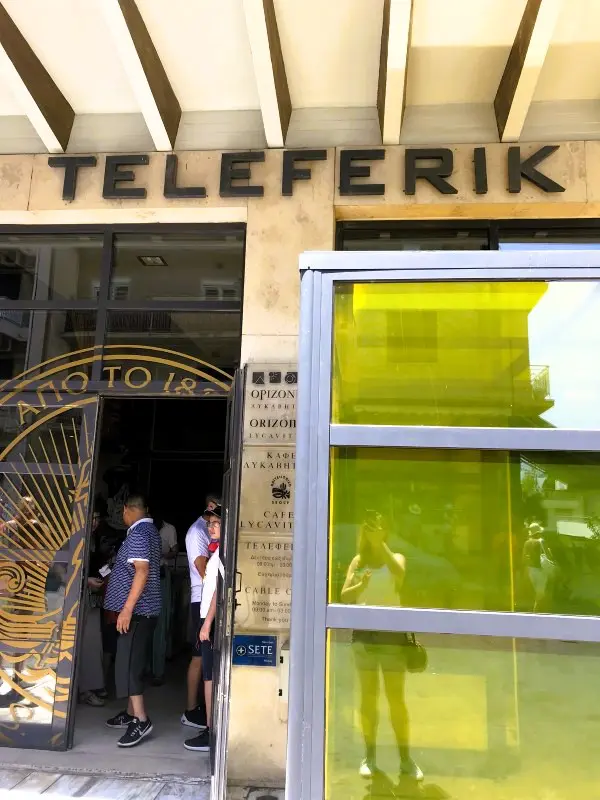
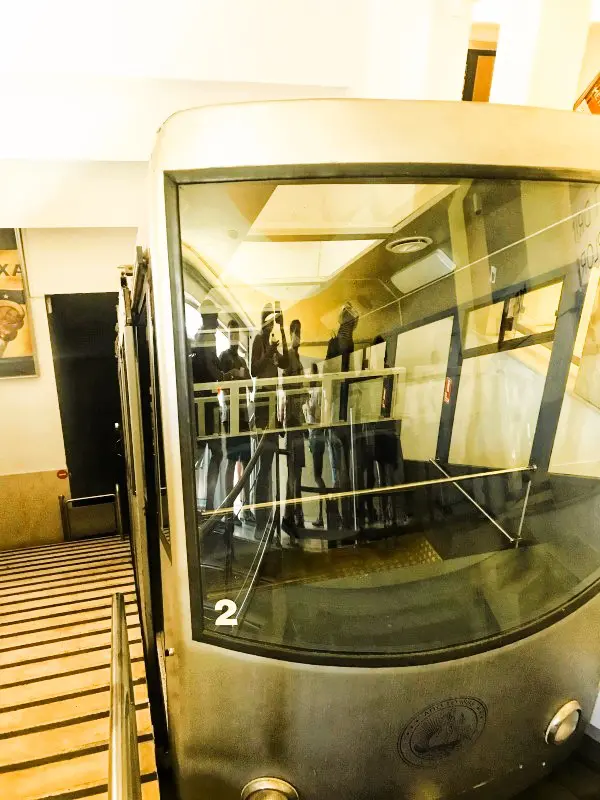
Take the teleferik funicular up and walk down afterward — saves energy for when you need it, puts you at the top during the best light, and the downhill walk back through the pine trees is pleasant once the sun starts dropping.
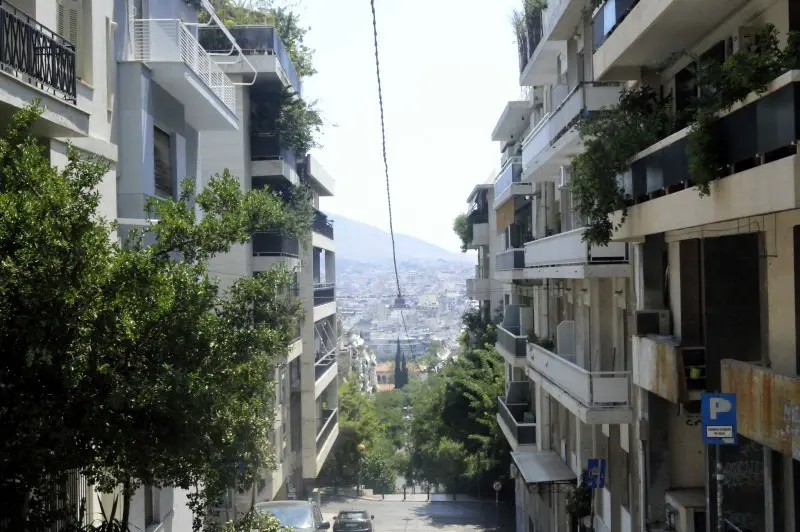
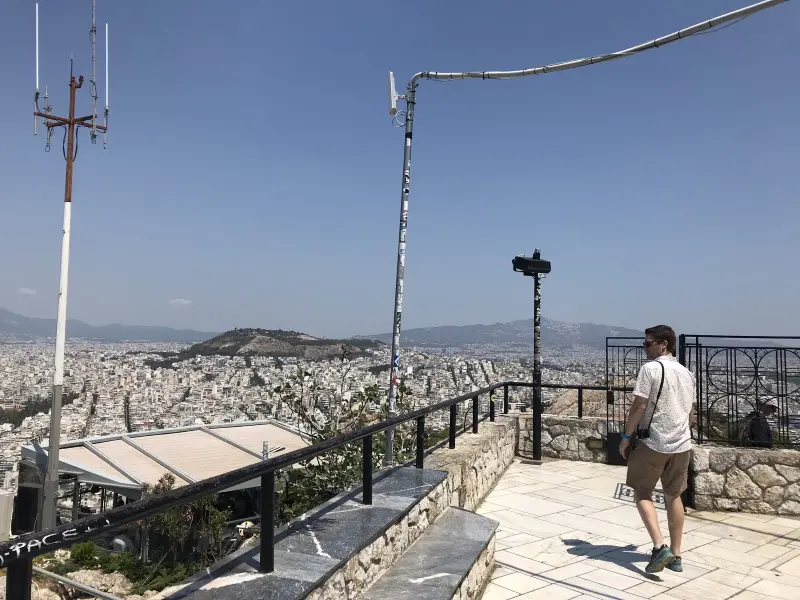
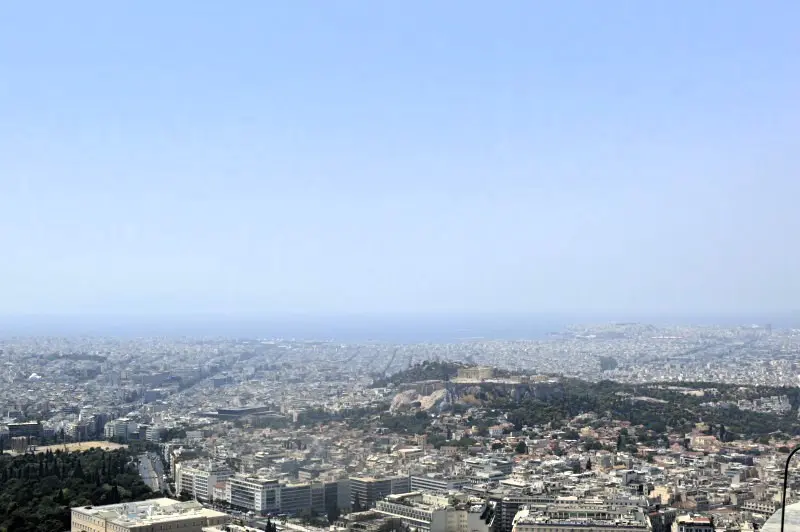
What surprised me most about Lycabettus was the view. I’d been so focused on the ancient highlights that I’d forgotten Athens is a genuinely enormous city — and from up here, the sprawl extends in every direction to the mountains and sea. It’s an easy thing to lose sight of when you’re moving between archaeological sites, and a good reminder that there’s always more to a place than its postcard version.

Evening: Kolonaki & Final Dinner
Kolonaki, just downhill from Lycabettus, is Athens’ more upscale neighbourhood — calmer, less touristy, good for a final evening wander.
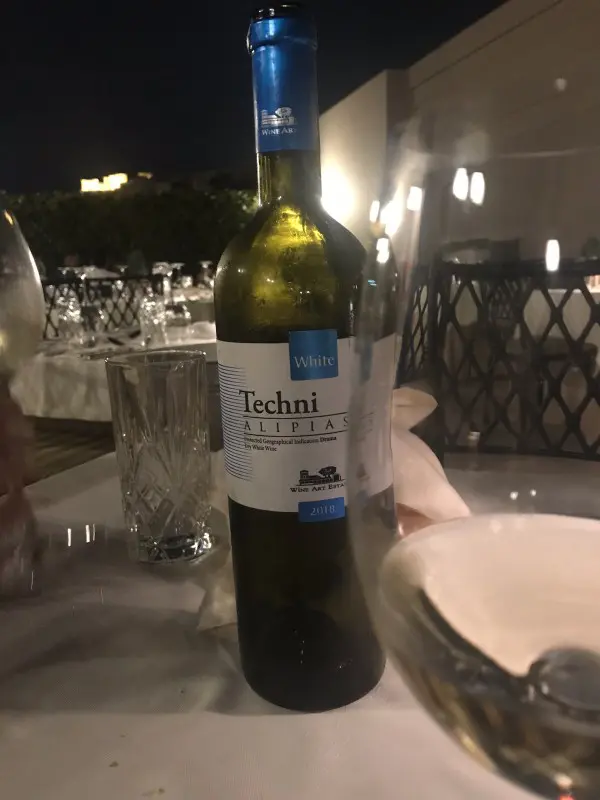
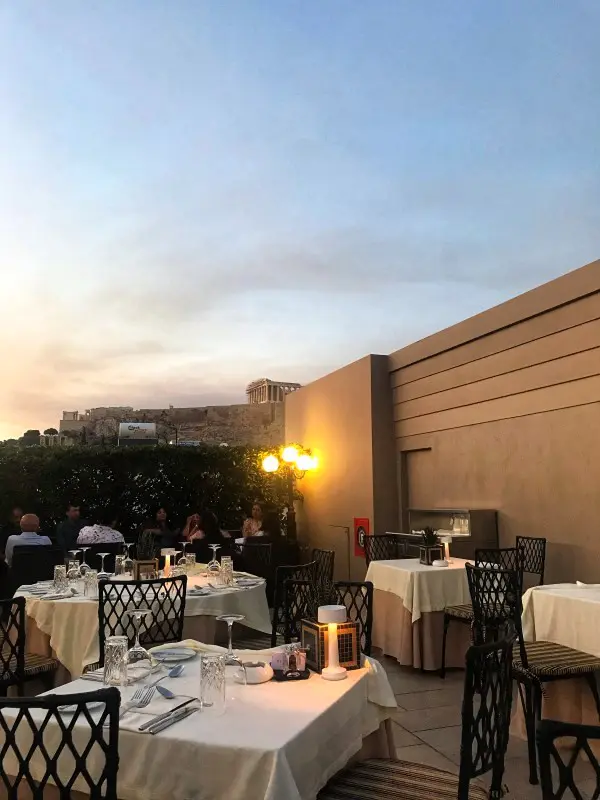
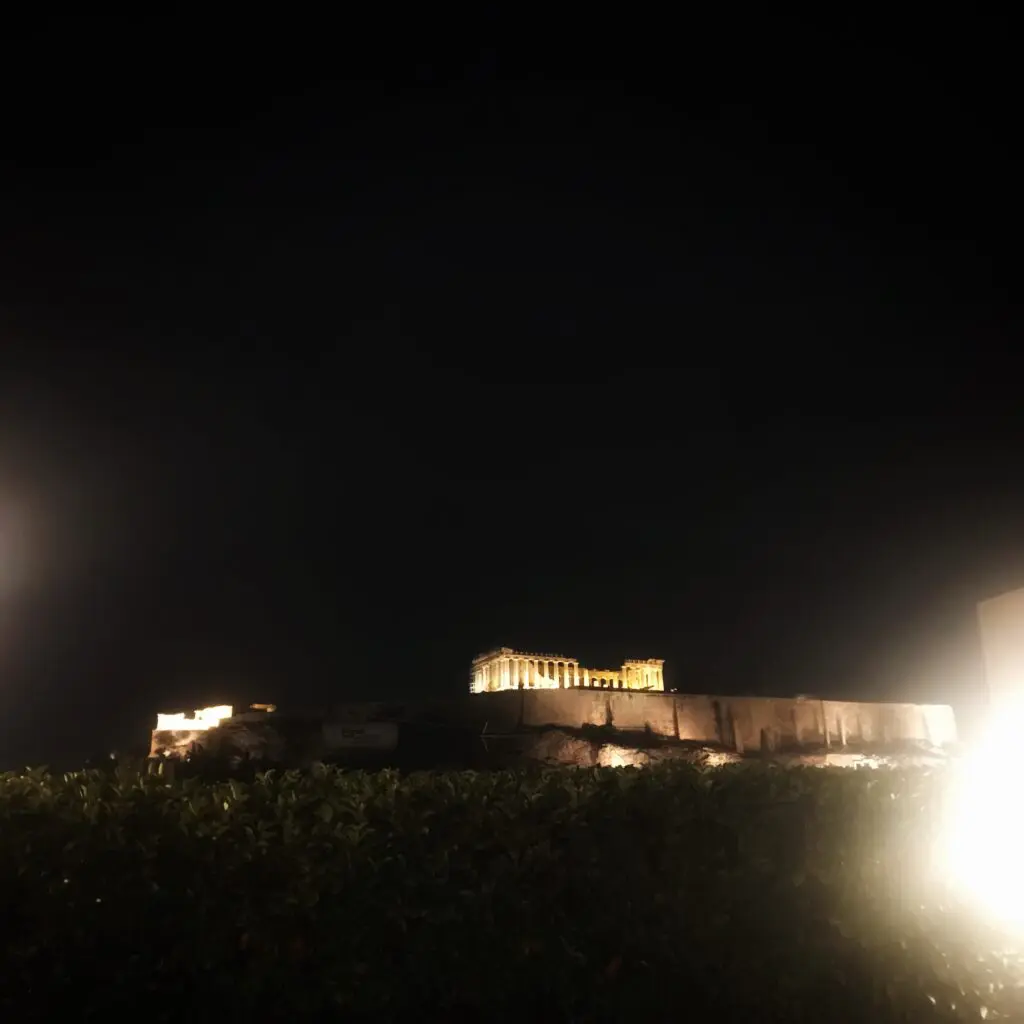
For your last dinner, Acropolis Secret at the Divani Palace Acropolis hotel rooftop is the move. Unobstructed views of the illuminated Acropolis, good food, and the particular satisfaction of ending two days in Athens with the thing that started it all — that rocky hill, lit up against the dark sky, exactly as impressive at the end as it was at the beginning.
PLAN THIS TRIP
Two days in Athens works well as the opening chapter of a longer Greece itinerary — three nights gives you a comfortable buffer without feeling like you’ve overstayed. From Athens, the ferry connections out of Piraeus reach most of the major island groups, making it a natural launchpad for wherever you’re headed next.
- Where we stayed: Divani Palace Acropolis — rooftop views worth it for the final night
- Book Acropolis tickets in advance, especially in peak season
- Consider a guided Acropolis and museum combo tour if you want deeper historical context
- For transport between Athens and other Greek destinations (Delphi, Meteora, Thessaloniki)
Other Activities & Tours in Athens
QUICK REFERENCE TIPS
- Start the Acropolis by 8 am — non-negotiable in summer
- Get the audio guide with your ticket
- Afternoons are for rest, slow lunches, and shade — not more sightseeing
- Funicular up Lycabettus, walk down
- Anafiotika is the Plaka neighbourhood worth seeking out, specifically
- Areopagus Hill is an underrated free alternative to rooftop bars for Acropolis views
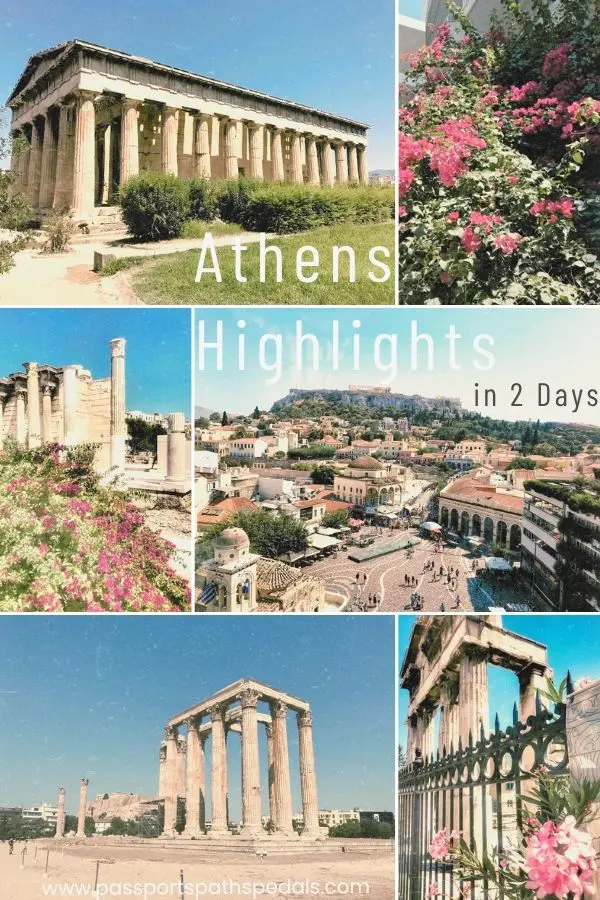
Pin me for later
You might like these other Greece posts:
Santorini Wine Tour and Tasting: A Complete Vineyard Experience
Why You Should Take a Santorini Caldera Catamaran Tour at Sunset
Oia Santorini in 4 Days

48 Hours on Naxos Island, Greece
Crete, Greece – History, Beaches & Mountain Charm
Delphi, Greece: Myths, Mountains & Ancient Echoes in 24 Hours