Western Japan 3 Week Itinerary: No Tokyo with Bicycle Touring
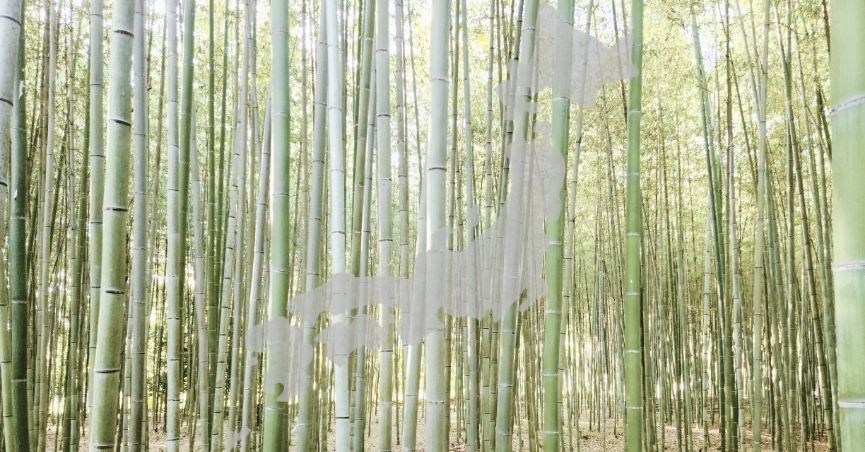
Three weeks in Japan — but without the focus on big cities like Tokyo or Osaka, and two short bike trips.
This Japan itinerary leans into a different rhythm of the country: temple bells at dawn in Kyoto. Quiet canals and resilience in Hiroshima. Sea air and suspension bridges along the Shimanami Kaido. Slow miles pedalling the shoreline of Lake Biwa. It moves through the preserved geisha districts and gardens of Kanazawa, and into the alpine streets and wooden merchant houses of Takayama.
This route was shaped by our love of history, quieter places, nature, and cycling. I don’t want to say we are tired of big cities, but we kind of are. We don’t like crowds or lots of stimulation all the time. Maybe an unpopular opinion, but we find many cities are similar to one another after you’ve visited enough of them. Funnily, Tokyo probably is one of the more unique cities out there – but now we have just another reason to return.
We visited in November of 2025. The weather was perfect – not too hot, a little cold, more northern – but the leaves were turning, and it was so picturesque. Japan does seem to be one of those places that is good to visit most of the year, so this itinerary could likely be translated to another season. Here is our three-week Japan Itinerary.
Getting Around
We rode a lot of trains on this trip. Used buses, trams and ferries. And of course bikes. If you are looking for more information on trains in Japan, read this post: Trains & Metro in Japan: How to Get Around
Japan Itinerary Overview
- Arrive Kansai Airport -> Kyoto
- 4 days in Kyoto*
- 2 days in Hiroshima
- 2 days for Shimanami Kaido cycle*
- 1 night Osaka
- 2 days for Kanazawa
- 2 days for Takayama
- 3 days for Lake Biwa cycle*
*noted suggestions or edits to the itinerary in depth below
Japan Itinerary
Arrive
We had direct flights from Vancouver, Canada, to Kansai International Airport, which saved us time on the train from Tokyo. We chose to transfer directly to Kyoto via the express train, Haruka. The journey is smooth and efficient, and within an hour or so, you’re stepping into wooden machiya streets, lantern-lit alleys, and the quiet anticipation of your first shrine visit.
Kyoto
Four days and five nights in Kyoto allow you to balance iconic temples with slow mornings and neighbourhood wandering. From vermilion torii gates and bamboo groves to tea houses and tucked-away gardens, the city reveals itself best when you give it time and space between highlights.
*We felt that two or three days in Kyoto would have been enough for us.
-
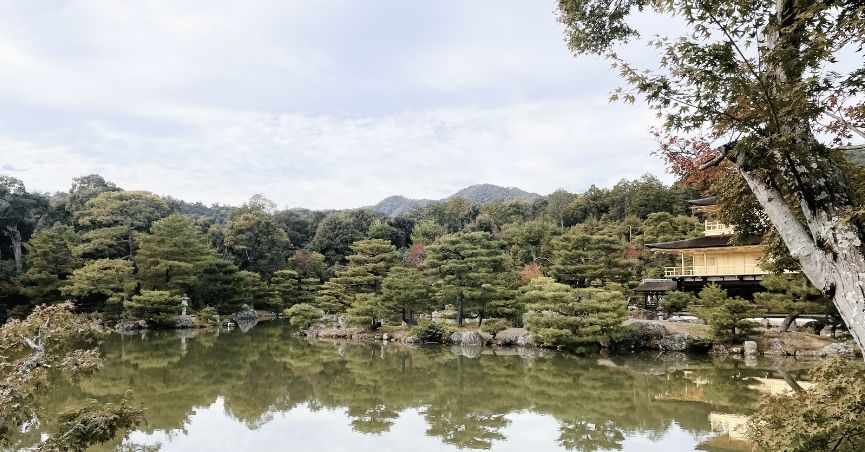
Kyoto Itinerary: 4 days in Kyoto, Japan
Kyoto is considered the heart of traditional Japan. With over a thousand temples, quiet wooden streets, refined cuisine, and centuries-old…
Kyoto -> Hiroshima
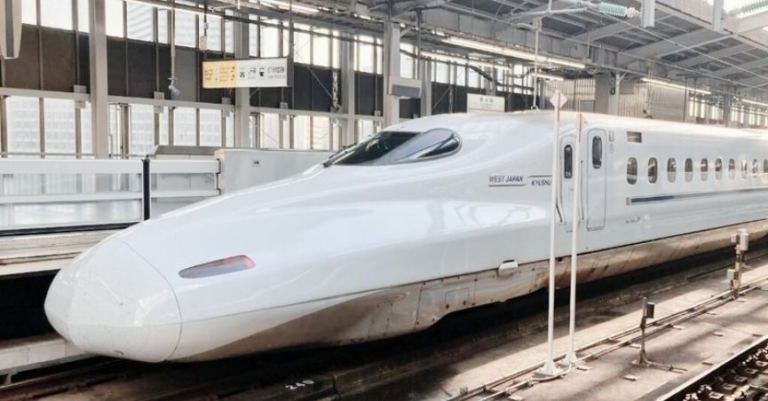
We took a train from Kyoto to Shin-Osaka station to catch the Shinkansen (bullet) train to Hiroshima. It took about 3 hours. We activated our JR West Pass on this journey.
Hiroshima
Two days in Hiroshima offer space for both reflection and discovery. Beyond the Peace Memorial sites, you’ll find riverside paths, excellent okonomiyaki, and a city that feels forward-looking while honouring its past. Make sure to take a day trip to Miyajima Island.
-
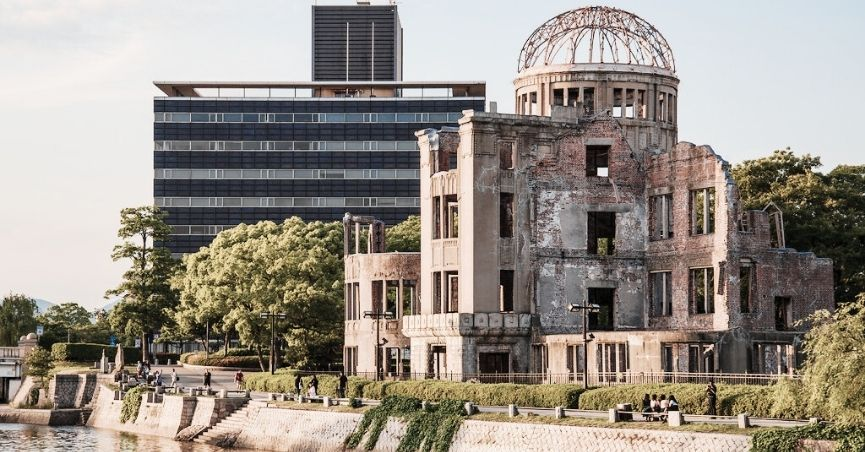
Hiroshima 2 Day Itinerary
Hiroshima is an emotionally complex place to visit. Once a university, cultural, and military growing city, the Atomic Bombing in…
Hiroshima -> Onomichi
There are two stations for Onomichi: the regular train line and the bullet train line. They aren’t very close together, but there is bus service between them. From Hiroshima, we took a bullet train to Shin-Onomichi, then took a bus into the main part of town. Which you choose to take depends on timing and cost (if you don’t have a JR Pass). Note that not every bullet train stops at Shin-Onomichi.
Shimanami Kaido Cycle
Cycling the Shimanami Kaido is one of Japan’s most rewarding active experiences. Over two days, we pedalled across sweeping suspension bridges, past citrus groves and fishing villages, and island-hopped at a pace that makes every view feel earned.
*If you are not experienced in riding 100 km in a day (back to back), you will want to add at least 1 more day, if not more, with an overnight on one of the middle islands. You can also rent e-bikes to make the journey easier. There is a lot to see on the islands; we wish we had more time to explore. Accommodation does book up quickly.
-
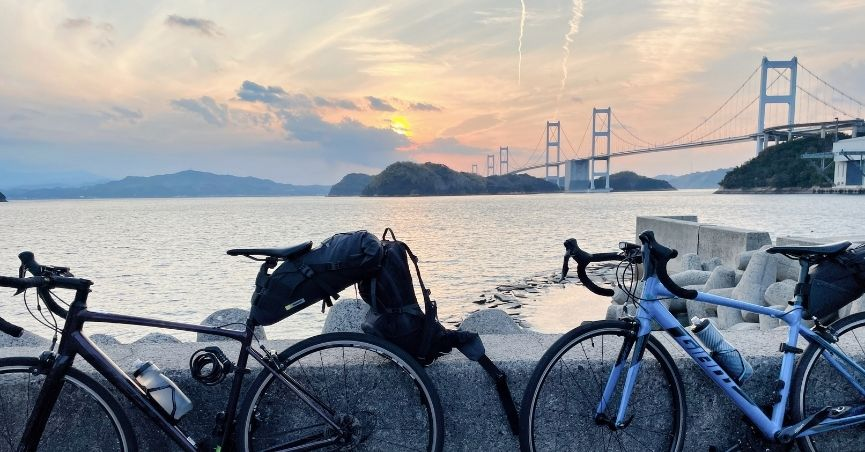
Cycling the Shimanami Kaido Route in Japan: Full Itinerary
Back home in Vancouver, the rainy season had already settled in. We hadn’t been outside on our bikes in weeks,…
Onomichi-> Osaka
We took the Shinkansen to Osaka as the timing worked better. Again, you do have to pre-plan a little, as Shin-Onomichi is not always a stop.
Osaka
We had a one-night stop in Osaka to break up the long travel. It delivers neon lights, street food, and big-city energy in contrast to your slower stops. It’s a night for takoyaki, bustling arcades, and soaking up the city’s playful, food-loving personality.
Osaka-> Kanazawa
From Osaka, we took the Thunderbird Express to Tsuruga, then transferred to the Hokuriku Shinkansen for the remaining journey to Kanazawa. These trains run frequently, taking about 2 hours, plus transfer time. Both of these trains required reservations along with base fares (or a JR pass).
Kanazawa
Two days in Kanazawa immerse you in well-preserved Edo-era districts, contemporary art, and one of Japan’s most celebrated landscape gardens. Compact and walkable, it’s a city where craftsmanship and culture quietly shine.
*If you take days from Kyoto, I would add one here.
-
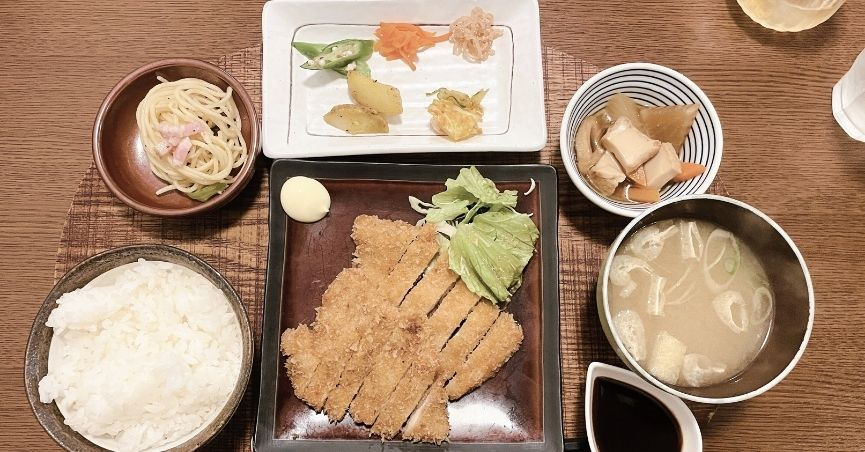
Japanese Food Guide for Beginners & Visitors
Japanese food is a sensory experience. Subtle flavours, seasonal ingredients, and beautiful presentation all work together to create dishes that…
Kanazawa-> Takayama
You have some options for this journey. We took the Shinkansen to Toyama, then changed to the Hida Line. This is a particularly beautiful part of the country to be training through! The train trips take about 2.5 hours, plus any transfer/waiting time. Alternatively, there are buses between Kanazawa and Takayama, with optional stops at Shirakawa-go village.
Takayama
Nestled in the Japanese Alps, Takayama feels like stepping back in time. With its wooden merchant houses, morning markets, sake breweries and mountain backdrop, it offers a slower, rural counterpoint to Japan’s larger cities.
*If you take days from Kyoto, I would add one here – venture out into the mountains for a hike.
-
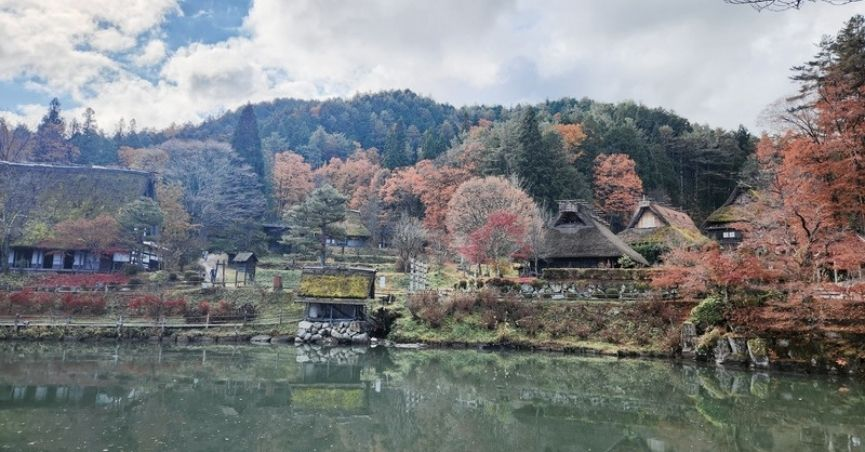
Two Days in Takayama: Sake & Japan’s Alpine Old Town
Tucked into the Japanese Alps, Takayama is one of those places that quietly wins you over. At first glance, coming…
Takayama-> Otsu
This was our longest travel day with many connections; in total, it was around 4.5 hours. Taking the Hida line to Gifu, transferring using local trains to Maibara, then transferring to Otsu. Again, the Hida line ride was stunning!
Lake Biwa
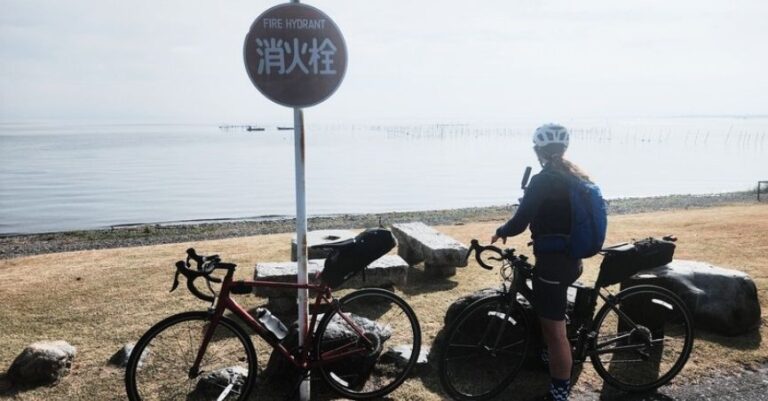
Three days of cycling around Lake Biwa bring open horizons and small-town charm. Japan’s largest freshwater lake offers dedicated cycling routes, quiet shoreline roads, and an entirely different rhythm from the temple-and-train circuit.
-
Cycling the Shimanami Kaido Route in Japan: Full Itinerary
Back home in Vancouver, the rainy season had already settled in. We hadn’t been outside on our bikes in weeks,…
Otsu-> Departure at Kansai Airport
From Otsu station, we took a local train to Kyoto station to catch the Haruka Express directly to the airport.
Final Thoughts
We were very happy with our 3-week Japan itinerary. Having the cycling trips mixed in kept the trip feeling fresh. We mixed bigger cities, history and sights with activities and connecting closer to everyday life in smaller towns. The only changes or suggestions are to shorten the stay in Kyoto, then it is your choice to add time where it matters to you. Either in Osaka if you are looking for more big city vibes, on the Shimanami Kaido or in Takayama for some side day trips for hiking.
Pin Me for later…


Read these other Japan-related posts…
Or search these Itinerary posts…

Greece Itinerary: 17 Days from Athens to Crete — Mainland, Mountains & Islands
Portugal Itinerary in 2 Weeks: Porto, Lisbon & the Algarve for First-Time Visitors
Lisbon Itinerary Guide: 2, 3, 4, 5 and 6+ Days in Portugal’s Capital

Malta Itinerary: 10 Days of History & Coast including Gozo