
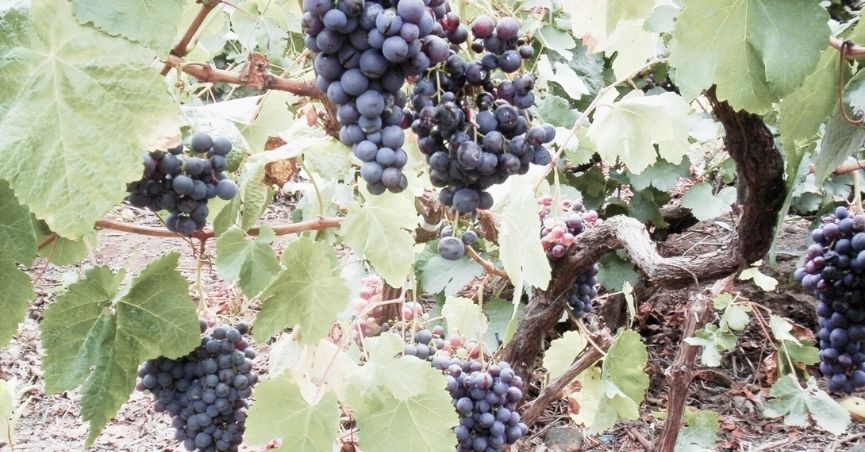
The Canary Islands are a haven for wine lovers thanks to their volcanic soil, giving the wines a distinct minerality. It may not be the first place that comes to mind when you think of wine, but Tenerife wine is one of the most distinctive and historic wine regions in Europe. The island’s volcanic soil, dramatic microclimates, and indigenous grape varieties create truly unique wines. And thanks to its isolation, many of these grapes are pre-phylloxera outbreak, meaning they’ve survived untouched by the vine pest that devastated most of Europe.

Tenerife Wine Regions
Five designated wine regions on the island hold D.O. (Designation of Origin) status. This is a quality classification system indicating that a wine is produced in a specific, regulated region. You will see similar classifications all over Europe, such as in France and Italy.
- Tacoronte-Acentejo (North-East)
- The most prominent D.O. on the island and the first to be officially recognized in 1992.
- Situated along steep coastal hills just west of La Laguna.
- Known for bold, structured reds, particularly from Listán Negro grapes.
- Vineyards benefit from Atlantic breezes and cooler temps, which help preserve acidity and freshness.
- Valle de La Orotava (North-West)
- Located around the lush valley near Puerto de la Cruz.
- Famous for its unique vine training system called “trenzado” (braided vines), which is visually stunning and found nowhere else.
- Offers aromatic whites and elegant reds from Listán Blanco and Listán Negro.
- The area’s history of wine production dates back to the 15th century.
- Ycoden-Daute-Isora (North-West Coast)
- A rugged region that spans volcanic slopes from sea level up to 1,400 m.
- Produces fresh, mineral-driven whites and light, peppery reds.
- The elevation range allows for great complexity in the wines.
- Popular with boutique producers experimenting with modern styles.
- Abona (South)
- Covers the arid, sunny southern part of the island—especially around Vilaflor, Spain’s highest village.
- Known for clean, dry white wines, often made from Listán Blanco, and rosés with great drinkability.
- The high-altitude vineyards (up to 1,700 m) make for cool nights and slow ripening, preserving acidity.
- Great for wine-lovers looking to explore less touristy areas.
- Valle de Güímar (South-East)
- Another high-altitude region is located along the slopes of Mount Teide.
- Specializes in crisp whites and light-bodied reds that are incredibly food-friendly.
- The volcanic soils and proximity to the ocean give the wines saline, mineral qualities.

Notable Grapes
- Listán Blanco (aka Palomino Fino): Dominant white grape, produces crisp, floral wines.
- Listán Negro: The most widely planted red, known for its light, juicy, and earthy reds.
- Negramoll: Offers softer, more elegant red wines.
- Malvasía Aromática: Used for aromatic whites and traditional sweet wines.


Tenerife Wine Tasting
I only had time for one wine tasting opportunity. So I chose one of the highest rated ones (that was open and did tastings). Perched high above the Atlantic in Tenerife’s Valle de La Orotava, Bodegas Monje is a family-run bodega. It has been producing wine for generations, with a strong focus on the unique character of volcanic soil, native grape varieties and traditional winemaking methods that have stood the test of time.
The setting is breathtaking: rows of vines cascade down the hillside with ocean views stretching out behind them. I joined a tour of the winery – they have art displayed down in the cellars, then finished my tasting on the sun-drenched terrace. I sampled bold reds and bright rosés while learning about the influence of the island’s climate and geology on the wine. Their small restaurant wasn’t open for food when I was there, but usually serves Canarian dishes made with local ingredients. Perfect for pairing with your tasting or a glass (or two).


Pin me for later…

Read more Canary Islands & Spain posts:

A Hike Through Tenerife’s Anaga Rural Park





Leave a Reply