
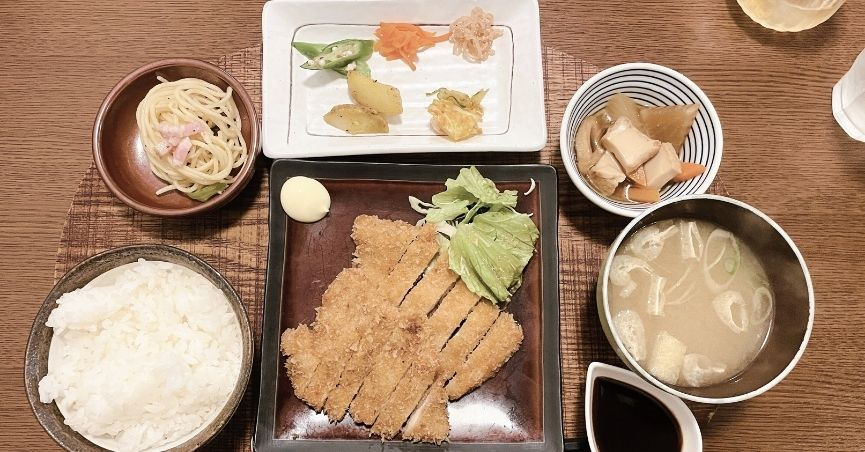
Japanese food is a sensory experience. Subtle flavours, seasonal ingredients, and beautiful presentation all work together to create dishes that feel both comforting and artful. Whether you’re slurping ramen in a busy station, savouring melt-in-your-mouth sushi, or discovering a local specialty in a small coastal town, eating in Japan becomes an adventure of its own. This is a country where food isn’t just nourishment. It’s heritage, craftsmanship, and a deep expression of place.
Japanese food culture has been shaped for centuries by geography, climate, and tradition. Early cuisine leaned heavily on rice, vegetables, and seafood, with regional flavours evolving based on local harvests and proximity to the sea. Buddhism influenced Japan’s approach to ingredients, giving rise to plant-forward dishes and the refined art of shojin ryori (gentle seasoning and minimal waste). Over time, global influences—from Portuguese sweets to Chinese noodles—were adapted into uniquely Japanese forms. Today, Japan’s culinary landscape blends meticulous tradition with constant innovation.
I am by no means an expert on Japan travel, having only been there once. But, let me tell you, I have never been so well prepared or informed on eating/dining culture or experiences as for our Japan trip. In this post, I share the things I learned and a few recommendations on places to eat!


This guide covers:
Types of Restaurants in Japan
One of the most distinctive parts of Japan’s restaurant culture is specialization. Many places focus on just one style of food—ramen, tempura, yakitori, okonomiyaki—and perfect that dish every single day. Instead of long menus, you’ll often find just a few items, each crafted to a high standard. Dining can feel refreshingly simple and deeply intentional. So here is a non-exhaustive list of the different restaurant types you might encounter:
- Izakaya – Japanese-style pub, the atmosphere is usually casual & lively, small share plates (like tapas) so you can “try everything.”
- Kaiseki – High-end multi-course traditional dining, a specialty in Kyoto, dining is slow, an experience and artful
- Teishoku-ya – Set meals: rice, miso, main dish, some vegetable sides, usually pickled – usually fast and affordable.
- Shokudo -these are casual, sometimes cafeteria-style restaurants with home-style comfort food
- Yatai – small mobile food stalls, often operating in evenings at festivals, temples, or streetside, they serve quick, affordable, and authentic dishes
- Ramen-ya – dedicated to Ramen!
- Sukiyaki / Shabu-shabu – Hotpot, often with beef but sometimes seafood.
- Tonkatsu – restaurants serving dishes of thick, breaded, and deep-fried pork cutlet, commonly served with shredded cabbage, savoury sauce, rice, and miso soup
- Udon/Soba – serving either thick wheat-flour noodles (udon) or thin buckwheat noodles (soba) in hot broth, cold with dipping sauce, or with toppings like tempura
- Curry Shops –


Regional Japanese Food
One of the most fascinating parts of eating your way through Japan is discovering how deeply regional the food culture is. Every area has its own specialties shaped by climate, geography, and centuries of local tradition. Even classics like sushi, tempura, and noodles evolve as you travel, each region adding its own ingredients, broths, and styles.
As I said in the introduction, I have never been so well researched and prepared for dining while travelling as I was in Japan! We wanted to make sure we tried the local delicacies in the right places.
Here are some of the most notable regional variations on traditional Japanese food that you might notice:
Wagyu Beef
Wagyu isn’t just “one type” of Japanese beef. Each region has its own breed lines, feeding styles, and climate—so the taste and marbling change depending on where you are.
- Kobe (Hyōgo): buttery, delicate, famously tender
- Matsusaka (Mie): incredibly rich and luxurious
- Ōmi (Shiga): balanced flavour with subtle sweetness
- Hida (Gifu): beautifully marbled with a deeper, beefier taste
- Miyazaki (Kyushu): award-winning, ultra-creamy marbling
Trying Wagyu once isn’t enough – you need to try it in a few different locations!


Ramen: A Bowl That Changes Everywhere You Go
Japan’s ramen is one of the clearest expressions of regional identity. Every prefecture puts its own spin on it:
- Sapporo (Hokkaido): rich miso ramen with corn and butter
- Hakodate (Hokkaido): clear, salty shio broth
- Tokyo: classic soy-based shoyu ramen
- Yokohama: thick, rich pork-and-soy iekei style
- Kyoto: lighter chicken-based broths
- Fukuoka (Hakata): creamy, rich tonkotsu (broth from boiled pork bones) with thin noodles
- Kumamoto: tonkotsu topped with smoky black garlic oil


Seafood: Shaped by Japan’s Coasts and Climate
With thousands of kilometres of coastline, seafood specialties vary dramatically. Cold northern waters produce sweet, firm seafood, while southern dishes are lighter and more tropical.
- Hokkaido: king crab, scallops, sea urchin
- Kanazawa: sweet shrimp, snow crab and winter yellowtail
- Kyushu: mackerel, bonito, sashimi with citrus
- Seto Inland Sea: oysters, sardines, octopus
- Okinawa: tuna, island fish, and sea grapes (umibudō)
- Tokyo: fresh & saltwater (conger) eel
- Hiroshima: oysters, conger eel


Noodles & Comfort Foods: Local Twists Everywhere
Even everyday dishes have regional versions:
- Osaka vs. Hiroshima Okonomiyaki: mixed batter vs. layered noodles
- Nagoya: flat wheat noodles (kishimen) in savoury broth
- Nagano: high-quality buckwheat soba
- Niigata: Japan’s most famous rice, thanks to snowmelt water
- Tokyo: Edo-style tempura seafood, light crispy kaarage
- Kyoto: kyo-style tempura vegetables


Southern Japan: Bold, Sweet, and Tropical
Dishes in the South are sweeter, richer, and more citrusy. The warmth here influences both the ingredients and the flavour profiles.
- Kyushu: sweet soy sauces, tonkotsu ramen
- Kagoshima: kurobuta pork, slightly sweet stews
- Okinawa: bitter melon, pork belly, island spices
Japanese Sweets
- Hokkaido – Famous for dairy-based treats like soft cream, butter cookies, milk sweets, and the iconic Shiroi Koibito biscuits.
- Tohoku – Known for zunda mochi (sweet mashed edamame), delicate fruit jellies, and apple-filled pastries from Aomori.
- Kanto (Tokyo) – The home of dorayaki, taiyaki, and creative modern desserts; department store depachika is dessert heaven.
- Kansai (Kyoto/Osaka) – Kyoto excels in matcha sweets, yatsuhashi, and seasonal wagashi, while Osaka leans toward fun street-style treats.
- Chubu (Nagano/Kanazawa) – Celebrated for chestnut sweets (especially in Nagano), gold-leaf ice cream, and refined wagashi in Kanazawa.
- Chugoku & Shikoku – Citrus plays a big role here; expect yuzu candies, mikan cakes, and light, refreshing jellies.
- Kyushu – Castella cake from Nagasaki is the star, along with sweet potato treats, creamy puddings, and black-sugar desserts from Kagoshima and Okinawa (technically beyond Kyushu but often paired).


Convenience Stores
Don’t rule out 7-Eleven, Lawson and Family Mart when you are considering food. They have a wide selection of packaged and fresh foods. Many have microwaves to warm up their food. We often found ourselves here in the evening,s looking for tasty snacks or satisfying our sweet tooth. I was particularly fond of Melonpan and anything matcha. Mark really liked the hot and spicy chicken nuggets.


Tips for Dining in Japan
Dining in Japan is as much about the experience as the food itself, and following local etiquette helps you feel comfortable while showing respect for the culture.
While visitors aren’t expected to be perfect, keeping these tips in mind makes every meal smoother and more enjoyable:
Before You Eat
- Wait to be seated – In many restaurants, especially izakaya and ramen shops, staff will gesture for you to a seat.
- The restaurant is full – Some restaurants are small and have short opening hours for lunchtime. Meaning they might turn you away if they are full. Don’t take this personally (we did the first 2 times). Some places have seats to wait in line, but again, the smaller locations that open for lunch, close and then open again for dinner might not be able to accommodate you. Your best bet is to be prepared to have lunch right around 1130 or 1200.
- Removing shoes – At traditional restaurants, those with Japanese seating, you may be asked to remove your shoes before stepping onto tatami mats.
- Use the provided hand towel (oshibori) – This is for cleaning your hands, not your face or table.


During the Meal
- Start with “itadakimasu” – A simple, polite way to express gratitude before eating.
- Chopstick etiquette is important:
- Don’t stick chopsticks upright in rice (a funeral symbol).
- Don’t pass food from one pair of chopsticks to another (another funerary act).
- Use the opposite end of your chopsticks when taking from shared plates, if no serving utensils are provided.
- Don’t stab food or wave chopsticks around while talking.
- Slurping is totally fine – Especially when eating ramen, udon, or soba. It’s a sign that you’re enjoying the noodles.
- Don’t pour your own drink in a group – Instead, pour for others and let them pour for you. It’s a common sign of respect, especially in izakaya.
- Don’t be loud – Japanese dining spaces tend to be calm and respectful, even the busy ones.
- Finish your meal – generally portions are smaller in Japan than in North America, with the idea being that there will not be food waste. It is also a sign of respect to finish everything, a compliment to the chef.
Finishing Your Meal
- Don’t leave a big mess – Stack dishes neatly if possible.
- Return trays at casual shops like convenience-store counters or food courts. Often there is a cloth to wipe your table too.
- End with “gochisousama deshita” – It’s a warm way to say “thank you for the meal.”

Payment & Tipping
- No tipping – It may even be politely refused. Good service is simply part of the culture.
- Pay at the register – Many restaurants don’t accept payment at the table. Look for the “Cashier” sign or follow locals.
Using Vending Machines & Ticket Machines
- In shops with vending machines, buy a ticket first, hand it to the staff, then take your seat.
- If there’s a line, locals queue quietly—just join at the end.
- Many restaurants have QR codes where you can order on your phone. Often you have to pay the cashier, but sometimes you can pay from the app/webpage.
Other Tips
- Generally, we found that restaurants first opened between 11 and 12, making finding breakfast a challenge. We often resorted to a small breakfast from a convenience store or simply ran on coffee fumes until lunch, which we were ready for right at open.
- Many places required you to buy a drink and a meal. We weren’t sure if this was specific to highly tourist areas or not, but encountered it more than once.
- Avoid walking while eating – It’s considered messy and impolite. Eat at designated standing counters, benches, or near convenience stores if you grab something quick.
Restaurant Recommendations
Here are the places we ate and thoroughly enjoyed, divided by city:
- Breakfast Udon Express – one of the few ‘breakfast’ places we found. It was our first meal in Japan and set the bar very high for the rest. Small and authentic. Cash only.
- Gyukatsu Kyoto Katsugyu Teramachi Kyogoku – order the set meal, you grill your own meat and try the variety of sauces. It does get very busy, so you might have to wait, but super tasty and fun!
- Sukemasa – specializing in Gyoza – but specific to Kyoto flavours and ingredients. Also a great place to try local side dishes, traditional vegetables. Also small and had a line for opening.
- Ike no Chaya – this one is a small authentic family run restaurant across from Hirosawa Pond. We stopped here on our walk from the Arashiyama area to the Golden Pavilion.
- Nico – if you venture out to Uji, make sure you stop at Nico. Food is delicious, made using available products, and the chef is so friendly!
- Akatonbo or Okonomi House – this place will be in our memories forever. The couple who own/run the restaurant are probably the kindest people we have ever met! They had us sit at the countertop so he could explain how Okonomiyaki is made. We were also fortunate to be there when they hosted a local Okonomiyaki Cooking Challenge. It was such a fun night. Aside from the experience and atmosphere, this is true Hiroshima-style Okonomiyaki, and it is delicious!
- Okonomiyaki Teppan-yaki Momiji-Tei – another place with a cool vibe! Very small upstairs restaurant with limited seating and often a wait. Okonomiyaki takes time to cook, even though it’s sometimes considered a ‘street food.’ On Google, it says it’s a manga-themed eatery, but really, it just has the decor of things the owners like – a cool mismash of manga, sports, nostalgia, and more. Perhaps more ‘modern’ or ‘adventurous’ flavours compared to the restaurant listed above, making it a good option to try too!
- 穴子天丼・天丼 天ぷら みしなや (translated to conger eel tempera bowl, Mishinaya) – this place is on Miyajima Island, which is very much a must-do if in Hiroshima. Big set meals with a variety of tempura dishes, specializing in seafood. Has Japanese-style seating, some with water views. A very cute and delicious spot. It is highly rated on Google and gets busy. We were there just after opening, but it had a line very quickly.
- Raja Cafe – we only had 1 night in Osaka – weird, I know. This place was close to our hotel, and we fancied some curry. They have a huge menu, from set meals to individual items to big share combos. We decided on the couple’s set so we could sample a few items. Mark said that this was the best curry he ever had. We are not curry naive – we have many curry places at home. Also, don’t forget to get the momos!
- Yakiniku Kiryoku Kanazawa – a small place, unassuming from the outside. Staff was super friendly. Ingredients very fresh and delicious. Amazing waygu! We really enjoyed cooking our own food on the grill, too.
- Kitchen Hana – cute, casual place with tasty set meals.
- Oriental Brewing – aside from tasty beer flights, they have juicy, tender and flavourful chicken karaage bites.
- Uouma Seafood Donburi Omicho – a small restaurant in the Omicho Market specializing in sushi, fish hot pot and more. This was our first taste of sushi in Japan – it was fresh and tasty! The place is run by a cute older couple who were very kind.
- Mugi – a 7-seat Izakaya. It’s a cool experience being right at the bar with so few people. And most importantly, it has delicious food.
- Pizzeria Hiranograno – we deviated from Japanese food for one night. This place was close to our Airbnb. Feeling truly Italian with wood fire oven and classic thin crust. Very delicious and a cute space.
- Mensho Junsai – Hida beef in a stew, croquettes, and more
- Hida Takayama Gyoza Sohonzan – variety of gyoza options, sets and unique flavours
- Marusin Shokudo – curry and tempura. Beef cutlet is highly recommended
- In the Takashima area, Blue. taco – Japanese-inspired tacos, using rice tortillas instead of corn or flour. A few different filling options. Cute place!
- In the Takashima area, Cafe Sankon – a small cafe with a chill retro vibe, we originally came for the burgers, but they were sold out, so we had huge stacks of pancakes, eggs and bacon (it was the only place open near our accommodation).
- In Hikone city, Jango – really tasty curry and chicken karaage set meals
Final Thoughts
From steaming bowls of ramen to delicate kaiseki meals and vibrant market snacks, Japanese food is endlessly diverse and deeply rooted in tradition. Every region brings its own specialties, every season new flavours, and every meal a chance to experience another layer of Japanese culture.
If you’ve tasted something unforgettable—or have a dish you’re dying to try—share it in the comments! We’d love to hear your favourite Japanese food memories or what’s topping your must-eat list for your next trip.
Pin this for later…

If you want more Japan content- browse these…





Leave a Reply