
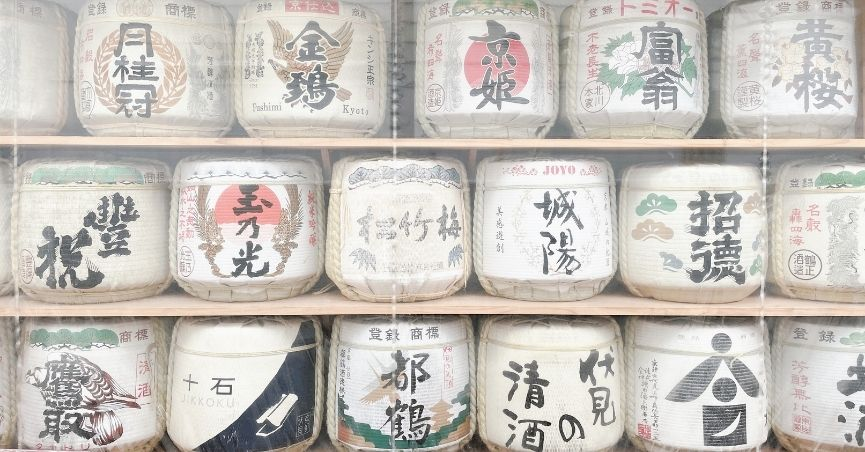
Sake —more accurately called nihonshu in Japan—isn’t just a drink. It’s an expression of place, season, and craftsmanship. From the water used to the rice chosen and even the climate outside the brewery walls, every decision shapes the final cup.
Sake brewing in Japan dates back over 2,000 years, originally practiced in Shinto shrines as part of religious ritual. By the Edo period (1603-1868), sake had evolved from sacred offering to everyday pleasure. The craft nearly died out after WWII when rice shortages led to cheap, mass-produced versions, but artisan breweries have been quietly resurrecting traditional methods for the past thirty years.
I really didn’t know much about sake before travelling to Japan, which included having tasted it more than a handful of times. I am certainly still a novice, but here is some information to get you started on your tasting journey!
Summary of this Sake Tasting post
Sake Brewing Basics: How It’s Made
Here’s what surprised me: sake is technically closer to beer than wine. At its core, sake brewing is a carefully controlled fermentation process that turns rice into alcohol. It’s far more nuanced than it sounds; toji (master brewers) train for decades.
The Key Ingredients
- Rice: Sake rice (sakamai) is grown specifically for brewing. It’s larger than table rice and has a starchy center (shinpaku) ideal for fermentation.
- Water: Often overlooked, water quality is critical. Mineral content directly affects flavour and fermentation speed.
- Koji mold: (Aspergillus oryzae) converts rice starches into sugars.
- Yeast: Turns sugar into alcohol, influencing aroma and taste.
The Brewing Process (Simplified)
- Rice polishing: Outer layers are milled away to remove fats and proteins that can create harsh flavours.
- Washing, soaking & steaming: Prepares rice for koji cultivation and fermentation.
- Koji making: Koji mold is introduced in a warm, humid room—one of the most labour-intensive steps.
- Yeast starter (shubo): A small batch kickstarts fermentation.
- Main fermentation (moromi): Rice, water, koji, and yeast are added in stages over several weeks.
- Pressing, filtering & pasteurization: Separates liquid from solids and stabilizes the sake.
- Aging: Some sake is released young; others rest for months or years.
Despite modern technology, many breweries still rely heavily on intuition, tradition, and seasonal rhythms—especially in colder regions.


Sake Regionality
Much like Japanese cuisine, regional differences in brewing practices give each area its own unmistakable character. Nowhere is this more evident than in Kyoto and Takayama—two regions deeply tied to sake history, yet distinctly different in style.
Kyoto Sake: Soft, Elegant, and Refined
Kyoto is one of Japan’s most important sake regions, particularly the Fushimi district, which has been producing sake for over 400 years.
What Makes Kyoto Sake Unique
- Soft water: Fushimi’s mineral-light water produces a smoother, gentler fermentation.
- Elegant flavour profile: Expect clean, slightly sweet, refined sake with a soft mouthfeel.
- Balance over boldness: Kyoto sake often pairs beautifully with delicate foods like tofu, kaiseki cuisine, and seasonal vegetables.
Brewing Culture in Kyoto
- Many breweries are medium to large in scale, blending tradition with modern consistency.
- Tastings often feel polished and educational, with clear explanations and structured sampling.
- Kyoto brewers tend to emphasize harmony—true to the city’s broader cultural identity.
Takayama Sake: Bold, Earthy, and Winter-Born
Takayama, tucked into the Japanese Alps, offers a completely different sake experience—one shaped by cold winters, mountain water, and small-batch craftsmanship.
What Defines Takayama Sake
- Harder mountain water: Leads to stronger fermentation and more robust flavours.
- Dry, crisp profiles: Many Takayama sakes lean towards karakuchi (dry), with a clean finish.
- Cold-weather brewing: Winter temperatures are ideal for slow, controlled fermentation.
Brewing Culture in Takayama
- Breweries are small, family-run, and often centuries old.
- You may encounter:
- Unfiltered sake
- Hot sake options
- Experimental batches
- Sake brewing is deeply seasonal; winter is prime production time.
- Cedar balls (sugidama) hang outside breweries, traditionally signalling the brewing season and readiness of the sake.


Sake Tasting
If you’ve ever done a wine tasting, you’ll know there are a few steps in optimizing the experience. Tasting sake is similar, with a few traditional and cultural practices that enhance your experience and show respect for the craft.
Before You Taste
- Notice the vessel: Sake may be served in an ochoko (small cup), sakazuki (flat cup), or wine-style glass. Each affects aroma and experience.
- Observe first: Take a moment to look at clarity and colour—most sake is clear, but some are cloudy (nigori).
- Temperature matters: Sake can be chilled, at room temperature, or gently warmed. Trust the brewery’s recommendation—it’s intentional.


How to Taste
- Smell gently: Bring the cup to your nose and take a light inhale. Aromas may include rice, melon, apple, floral notes, or earthiness.
- Small sips: Take a modest sip and let it roll across your tongue. Sake isn’t meant to be rushed.
- Consider balance: Pay attention to sweetness, acidity, umami, and finish rather than alcohol strength.
- Rinse or reset your palate: Water and simple snacks help prevent flavour overlap.
- Sake is food-friendly: It’s often designed to complement meals, not overpower them.
- Match intensity: Lighter sake with delicate dishes; richer, fuller-bodied sake with grilled or umami-heavy foods.
Etiquette & Social Customs
- Drink with intention: Sake tasting is about appreciation, not volume.
- Don’t pour your own (in social settings): Traditionally, you pour for others, and they pour for you. At tastings, self-pouring is usually fine if instructed.
- Hold the cup properly: When being poured for, it’s polite to hold the cup with one hand and lightly support it with the other.
- Say “Kanpai” before drinking: It’s customary to wait and toast together.
- Finish what you pour: Especially in tastings, small pours are preferred so nothing is wasted.
- At Breweries & Tasting Rooms
- One pour per bottle (common in self-serve tastings): This allows everyone a chance to try each variety.
- Ask questions: Brewers and staff appreciate curiosity—many enjoy explaining rice polishing ratios, yeast, and regional styles.
Where to Taste
Kyoto
We visited Fushimi Sake Village. This is a fun place to take your time, as you can sample sake from multiple Fushimi breweries alongside ramen, yakitori, and other stalls. We dove right in, trying the 18-sake set tasting at Zero Sake Brewery, Sakagura, for 3880 yen. The 18-set is curated by a sake sommelier and guides you through flavours and temperatures. I didn’t really know much about sake at all, so this was a good chance to try many different styles. Note that these are decent-sized pours and have an alcohol content slightly less than or similar to that of wine. Make sure to eat and drink water while sampling.
Other options we considered for tastings included:
- The Gekkeikan Okura Sake Museum – for the history of sake brewing, with included tasting and souvenir sake cup. A more budget-friendly option at 300 yen.
- The Kyoto Insider Sake Experience – a more in-depth tasting guided by a sommelier with food pairings. 1.5-hour, 3-hour and advanced tour options. This is the splurge option with the 3-hour tasting tour, with prices starting at 13,000 yen.
Takayama
We visited two breweries for tastings:
- Harada Sake Brewery
- ¥500 tasting fee (includes a souvenir cup)
- Up to 10 sake + 2 shochu
- Self-serve from fridges (one pour per bottle, fill cup halfway)
- Located right on the main old town street
- Tight, busy space—but very traditional and fun
- Hirase Sake Brewery
- ¥1000 tasting fee
- Up to 24 sake + 3 liqueurs, including hot sake
- More relaxed, informative experience
- Bonus: sake-soaked plums at the end
If you’re choosing just one, we prefer Hirase, even though it was more expensive. The experience felt more purposeful and immersive. Staff were available to share information, and we had our own little table to stand at while sipping and reading the tasting notes.


Final Thoughts
Learning about sake brewing adds a whole new layer to tasting it. Visit breweries and ask questions. With every sip, you’re not just enjoying a drink—you’re experiencing climate, geography, craftsmanship, and centuries of tradition. Most importantly, don’t assume you won’t like it because you tried it once before. There was so much variation that it was easy to find a favourite.
What’s your sake story — are you a convert, a skeptic, or somewhere in between? I’d love to know if you’ve tasted anything in Japan that changed your mind about a drink you thought you didn’t like.
Pin Me

You might like these Japan posts:





Leave a Reply