
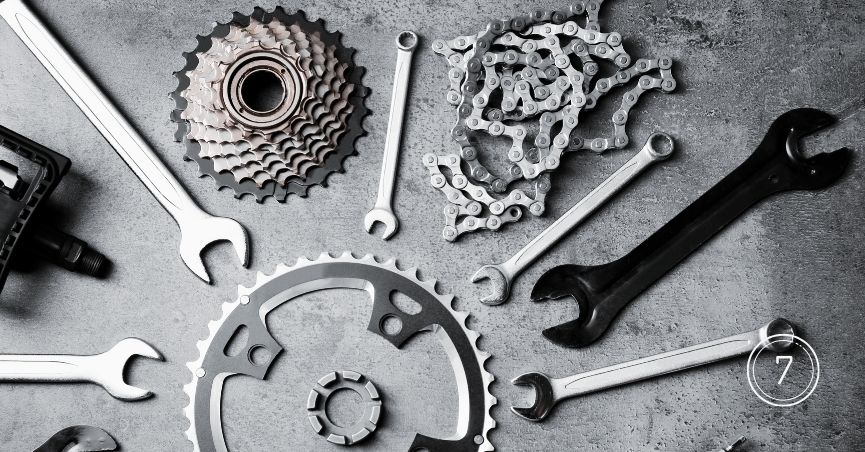
When I first started cycling (and let’s be real, to this day), Mark is my bike mechanic. And my friends’ bike mechanic… I have a few colleagues who cycle and think “bike maintenance” is something best left to professionals with expensive tools and mysterious knowledge.
However, there will be time that I will have a flat and Mark is not around. Currently, I am on a journey to learn about bike mechanics and maintenance (which will be a new series coming in the next few months). Being a little mechanically confident goes a long way, even just preparing for rides. I used to stroll out into the garage, kitted up and ready to roll – because Mark did the pre-ride checks already. Now these are my responsibility.
You don’t need to know how to rebuild a drivetrain or true a wheel to be a capable cyclist. But understanding a few basics can make your rides smoother, safer, and far less stressful — especially when something goes wrong mid-ride.
This post isn’t about becoming a full-blown mechanic. It’s about knowing enough to take care of your bike, spot problems early, and ride with confidence. I’ve broken it up into three sections: every ride checks, semi-regular bike maintenance, and troubleshooting.
Every Ride Checks (The 2–Minute Habit That Matters Most)
These are the small things that make the biggest difference — and they take almost no time. Make these pre-ride checks a part of your ride preparation, alongside fueling right and route planning.
Tire Pressure
Tires naturally lose air over time, even if you haven’t ridden.
- Check pressure before every ride (or at least every few rides)
- Use a pump with a gauge
- Adjust pressure based on tire width, terrain, and comfort
Correct tire pressure improves comfort, handling, and efficiency — and reduces your risk of flats. I am planning to cover changing a tire in another post – but in the meantime, here is a helpful video from the Global Cycling Network.
Quick Brake Check
Before rolling off:
- Squeeze both brakes
- Make sure they engage smoothly and the levers don’t hit the handlebars
- Listen for rubbing or grinding sounds
If something feels off, it’s worth checking before you’re descending a hill.
Visual Scan
Give your bike a quick look:
- Tires seated properly
- Nothing visibly loose
- No obvious damage or rubbing
This habit catches small issues before they become ride-ending problems.
Semi-Regular Maintenance
These tasks don’t need to happen every ride — but they keep your bike running quietly and efficiently. Aim for these every few weeks or after wet and/or dirty rides.
Chain Lubrication
A clean, lubricated chain:
- Shifts better
- Lasts longer
- Makes riding more enjoyable
General rule:
- Lube every 100–200 km
- Lube more often after rain or dusty rides
- Wipe off excess — more lube is not better
A noisy chain is your bike asking for attention. Again, from the Global Cycling Network, a video on clean chains & lube.
Drivetrain Cleaning
You don’t need to deep clean every time, but:
- Wipe down the chain occasionally
- Remove visible grime from the cassette and chainrings
This extends the life of expensive components and keeps the crispness. When riding in the winter, we find roads are particularly grime-y, so we often hose off the bikes before storing them.
Bolt Check
Every so often:
- Check that your seat, handlebars, and bottle cages are snug
- No need to over-tighten — just ensure nothing has loosened
Basic Troubleshooting for New Cyclists
You don’t need to fix everything yourself, but knowing what’s wrong helps.
My Gears Won’t Shift Smoothly
- Possible cause:
- Dirty or dry chain
- Cable stretch
- Misaligned derailleur
- Try:
- cleaning
- lubing
My Brakes are Rubbing
- This could be:
- A wheel not seated properly in the rim
- Slight rotor or rim alignment issues
- Try:
- reseating the wheel
Its Making Weird Noises
- Common culprits:
- Dry chain
- Loose bolts
- Dirty drivetrain
- Try:
- cleaning
- lubing
- checking bolts
Bikes usually tell you when something needs attention — learning to listen is part of the process. If the above doesn’t work, consider visiting a professional bike shop. Or do some research – there are lots of informative websites and YouTube videos on bike maintenance.
Final Thoughts
You don’t need to know everything to be a “real” cyclist. You just need to be curious, willing to learn, and kind to yourself when things feel unfamiliar. Every skill you build — mechanical or otherwise — makes cycling more enjoyable.
Pin me for later…

Read more posts in this 10-part series:

From Running Shoes to Pedals: How I Fell in Love with Cycling

Cycling Gear 101: What You Actually Need (and What You Don’t)

Understanding your Road Bike Gears & Cadence

10 Tips for Beginner Cycling Route Planning

Fueling on the Bike & Avoiding Bonking

8 Tips for Building Mental Toughness on the Bike
Read cycling & travel posts:






Leave a Reply